Connect with us

Blog

Yamaha TW200: Complete Guide, Specifications, Features, Performance, and Buying Advice

Published

on

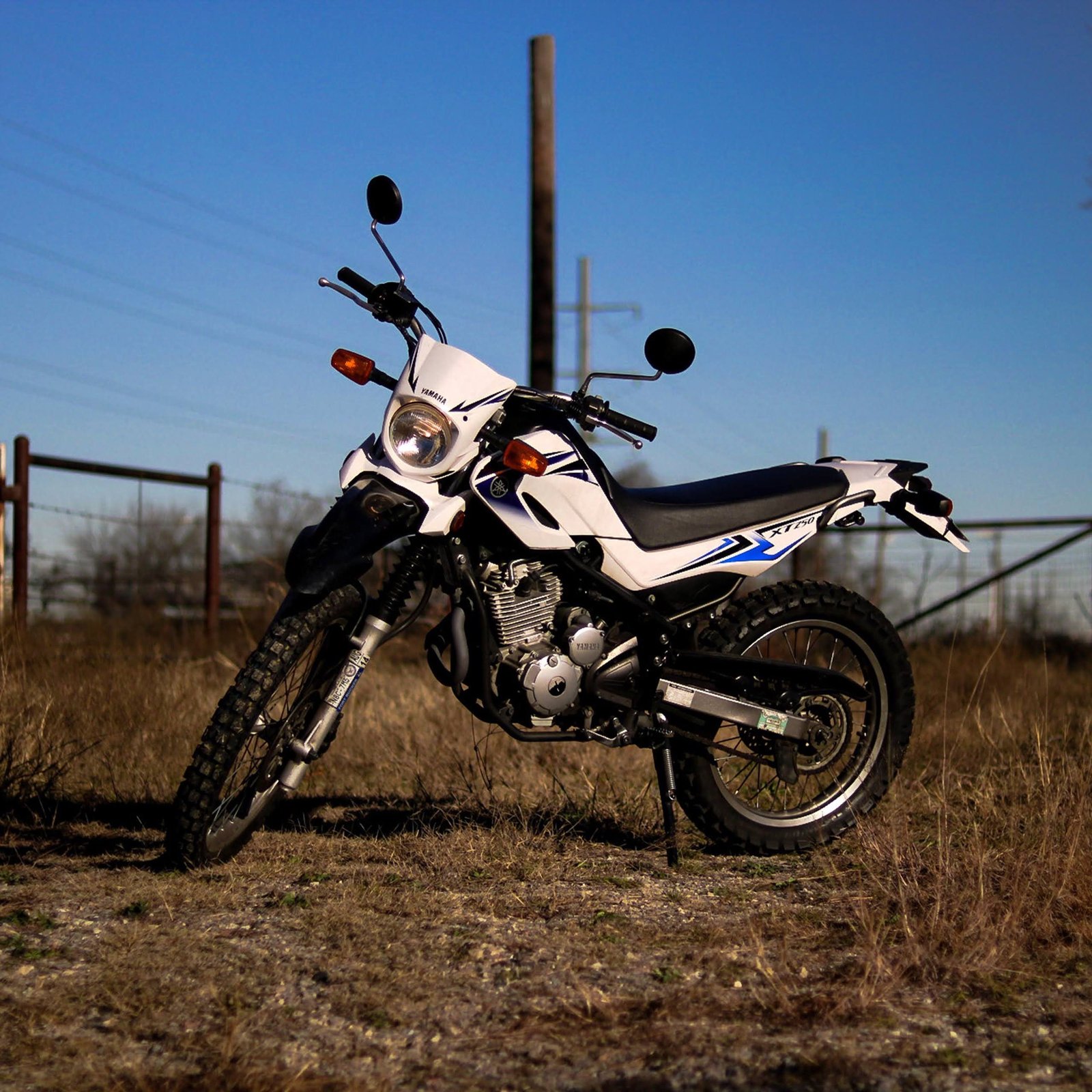
The Yamaha TW200 remains a distinctive dual-sport motorcycle built around simplicity, manageable performance, and a wide-tire.

The Yamaha TW200 is a distinctive dual-sport motorcycle known for its wide tires, approachable riding character, simple design, and ability to handle a variety of riding environments. Whether you are a beginner looking for a manageable motorcycle, an experienced rider searching for a lightweight trail companion, or someone interested in a practical machine for everyday transportation, the Yamaha TW200 is a motorcycle worth understanding. Its unusual appearance and straightforward engineering have helped it develop a recognizable identity among small-displacement motorcycles, particularly for riders who appreciate simplicity and versatility over outright speed.

In this comprehensive guide, we will explore the Yamaha TW200’s specifications, engine performance, comfort, off-road capabilities, fuel economy considerations, maintenance, advantages, limitations, and used-bike buying advice. You will also find SEO-friendly title ideas, keyword explanations, a detailed article structure, and frequently asked questions to help you create informative content for readers researching this popular Yamaha motorcycle.

1. SEO-friendly title ideas for Yamaha TW200

Here are ten title options designed to target different search intents, including specifications, reviews, beginner riders, off-road performance, ownership, and buying advice.

1. Yamaha TW200: Complete Review, Specs, Features, and Buying Guide

Main keyword: Yamaha TW200

2. Yamaha TW200 Review: Is This Lightweight Dual-Sport Motorcycle Right for You?

Keywords: Yamaha TW200 review, lightweight dual-sport motorcycle

3. Yamaha TW200 Specifications: Engine, Weight, Seat Height, and Performance

Keywords: Yamaha TW200 specifications, Yamaha TW200 seat height

4. Yamaha TW200 Off-Road Review: How Its Fat Tires Handle Trails and Sand

Keywords: Yamaha TW200 off-road, Yamaha TW200 fat tires

5. Yamaha TW200 for Beginners: Comfort, Handling, and Everyday Riding

Keywords: Yamaha TW200 for beginners, easy-to-ride motorcycle

6. Yamaha TW200 Price and Buying Guide: New and Used Motorcycle Tips

Keywords: Yamaha TW200 price, used Yamaha TW200

7. Yamaha TW200 Fuel Economy, Range, and Everyday Practicality

Keywords: Yamaha TW200 fuel economy, Yamaha TW200 range

8. Yamaha TW200 Maintenance Guide: Reliability, Servicing, and Ownership

Keywords: Yamaha TW200 maintenance, Yamaha TW200 reliability

9. Yamaha TW200 vs Other Dual-Sport Motorcycles: What Makes It Different?

Keywords: Yamaha TW200 comparison, dual-sport motorcycles

10. Yamaha TW200 Adventure Motorcycle Guide: Features, Benefits, and Limitations

Keywords: Yamaha TW200 adventure motorcycle, Yamaha TW200 features

Recommended article title

Yamaha TW200: Complete Review, Specifications, Features, and Buying Guide

This title places the main keyword at the beginning while also communicating the article’s purpose to readers looking for specifications, practical riding information, and purchase guidance.

2. Keywords from the titles and what they mean

Keyword

Explanation and search intent

Yamaha TW200

The primary keyword for readers researching the motorcycle.

Yamaha TW200 review

Targets people who want to understand the riding experience and ownership characteristics.

Yamaha TW200 specifications

Appeals to readers comparing engine size, dimensions, weight, and equipment.

Yamaha TW200 seat height

Helps riders determine whether the motorcycle’s height may suit their needs.

Yamaha TW200 off-road

Targets people interested in trails, gravel, sand, and unpaved riding.

Yamaha TW200 for beginners

Addresses new riders researching an approachable motorcycle.

Yamaha TW200 price

Targets prospective buyers researching purchase costs.

Used Yamaha TW200

Reaches shoppers considering a pre-owned motorcycle.

Yamaha TW200 fuel economy

Appeals to riders interested in fuel consumption and running costs.

Yamaha TW200 reliability

Targets owners and shoppers researching durability and maintenance.

Yamaha TW200 comparison

Helps readers compare the motorcycle with other dual-sport options.

Yamaha TW200 adventure motorcycle

Reaches people exploring lightweight adventure and recreational riding.

Supporting long-tail keywords

  • Yamaha TW200 engine specifications

  • Yamaha TW200 top speed and highway riding

  • Yamaha TW200 tire size

  • Yamaha TW200 ground clearance

  • Yamaha TW200 maintenance schedule

  • Yamaha TW200 pros and cons

  • Yamaha TW200 fuel tank capacity

  • Yamaha TW200 beginner motorcycle review

  • Yamaha TW200 used buying checklist

  • Yamaha TW200 street and trail performance

Use these phrases naturally in the article’s headings, paragraphs, image descriptions, and FAQ answers. Avoid repeating the same keyword excessively; clear, useful information is more valuable than awkward keyword stuffing.

3. Full-length SEO article

Primary keyword: Yamaha TW200 | Article type: Motorcycle review and buying guide

Yamaha TW200: Complete Review, Specifications, Features, and Buying Guide

Introduction

The Yamaha TW200 is a motorcycle that stands apart from many modern dual-sport machines because of its distinctive proportions, oversized tires, relatively low seat height, and uncomplicated mechanical design. Rather than focusing on high horsepower, aggressive acceleration, or advanced electronic riding systems, the TW200 emphasizes approachable performance, manageable handling, and the ability to travel on paved roads and explore suitable off-road routes. Its appearance is immediately recognizable, and its combination of a compact engine and unusually wide tires gives it a character that appeals to riders who want something different from a conventional street motorcycle or full-size dirt bike. For people researching a first motorcycle, a recreational trail machine, or a simple bike for exploring backroads, the Yamaha TW200 offers an interesting balance of accessibility and versatility.

One of the most important things to understand about the Yamaha TW200 is that it is designed around a particular kind of riding experience. It is not intended to compete with powerful adventure motorcycles or specialized competition dirt bikes. Instead, it is suited to moderate speeds, relaxed journeys, everyday transportation, and recreational exploration where traction, control, and confidence can matter more than acceleration. Its modest engine output and relatively compact dimensions make it less intimidating than many larger motorcycles, while its wide tires help distinguish its handling on loose surfaces. In this guide, we will examine its specifications, performance, comfort, off-road behavior, ownership considerations, and the factors buyers should consider before choosing one.

What is the Yamaha TW200?

YAMAHA TW200 (2004-2005) Specs, Performance & Photos - autoevolution

New 2025 Yamaha TW200 Motorcycles in Brooklyn, NY | Stock Number: YAM194394 - ***DEALER URL***

New 2024 Yamaha TW200 Motorcycles in Hutchinson, MN | Stock Number:

The Yamaha TW200 is a small-displacement dual-sport motorcycle that combines road-going equipment with a design intended for recreational use on unpaved terrain. The TW name is commonly associated with the model’s Trail Way identity, and the motorcycle has been part of Yamaha’s lineup since 1987. Its enduring design centers on a simple four-stroke single-cylinder engine, a five-speed manual transmission, conventional suspension, and distinctive wide tires. These characteristics make it quite different from many contemporary motorcycles that emphasize sophisticated electronics, liquid cooling, or high-performance suspension components. The TW200 instead offers a relatively straightforward ownership experience for riders who appreciate mechanical simplicity and a relaxed pace.

The motorcycle’s versatility is one of its defining characteristics. A rider can use it for short trips around town, explore gravel roads, travel along suitable forest routes, or enjoy casual trail riding where local regulations permit motorcycles. Its road equipment makes it more flexible than a dirt-only motorcycle, but its relatively low power and modest suspension travel mean it should not be mistaken for a high-speed touring bike or an aggressive enduro machine. The TW200 is best understood as a practical recreational motorcycle that offers a broad range of uses within its performance limits.

Yamaha TW200 specifications

The following specifications are based on Yamaha’s published 2025 US model information, which provides a useful reference for understanding the motorcycle’s configuration. Specifications, equipment, and prices can differ by model year and market, so buyers should verify the details for the particular motorcycle they intend to purchase.

2026 Yamaha TW200 for Sale in St. Petersburg, FL (Item 1362996)

TECHNICAL SPECIFICATIONS

Engine

196cc air-cooled, SOHC, four-stroke single-cylinder, two valves

Fuel delivery

Mikuni 28 mm carburetor

Transmission

Five-speed constant-mesh manual

Final drive

Chain

Starting system

Electric start

Front suspension

Telescopic fork; 6.3 inches of travel

Rear suspension

Single shock; 5.9 inches of travel

Front brake

220 mm disc

Rear brake

110 mm drum

Front tire

130/80-18

Rear tire

180/80-14

Seat height

31.1 inches

Wheelbase

52.2 inches

Ground clearance

10.4 inches

Fuel tank capacity

1.8 US gallons

Wet weight

278 pounds

Manufacturer-estimated fuel economy

78 mpg

Source: Yamaha Motorsports specifications. Fuel economy is an estimate, not a guarantee of real-world consumption.

These specifications explain much of the TW200’s character. Its 196cc engine is relatively small compared with those found in larger dual-sport motorcycles, and the five-speed gearbox is designed to support practical riding rather than high-speed performance. The 31.1-inch seat height can make mounting and stopping more manageable for many riders, although comfort and reach still depend on individual body proportions. The 278-pound wet weight also deserves attention: while the motorcycle is compact, it is not as light as some dedicated off-road machines, particularly when a rider needs to lift it after a fall. Its relatively generous ground clearance and wide tires contribute to its suitability for moderate trail exploration.

Engine performance and riding experience

The Yamaha TW200 uses a 196cc, air-cooled, four-stroke, single-cylinder engine with a single overhead camshaft and two valves. Fuel is delivered through a carburetor, and power reaches the rear wheel through a five-speed manual transmission and chain final drive. This configuration reflects the motorcycle’s emphasis on straightforward, usable performance rather than outright speed. The engine is intended to provide manageable power for everyday riding and moderate off-road exploration, allowing riders to concentrate on throttle control, balance, and route selection. Its relatively uncomplicated layout may also appeal to owners who prefer conventional motorcycle engineering over a more electronically complex package.

On the road, the TW200 is most comfortable when ridden at a pace appropriate for its small engine and dual-purpose design. It can be useful for neighborhood transportation, short commutes, and relaxed journeys along roads where traffic speeds are suitable. Riders should not expect the acceleration or passing performance of a larger motorcycle, especially when traveling uphill, carrying a passenger, or riding into strong headwinds. The five-speed transmission provides flexibility for different riding conditions, but the bike’s overall performance remains modest. For prospective buyers, the important question is not whether the TW200 can match a much larger machine, but whether its relaxed performance and distinctive handling fit the kind of riding they actually plan to do.

Fat tires and off-road capability

Yamaha Debuts 2019 Dual Sport Motorcycles - Racer X

First Impression: Yamaha TW200 - Dirt Bike Test

Yamaha TW200 Parts, Accessories & Best Modifications | ProCycle.us

The Yamaha TW200’s most recognizable feature is its unusually wide tire setup, particularly the large rear tire. Yamaha lists a 130/80-18 front tire and a 180/80-14 rear tire for the 2025 model. These dimensions help give the motorcycle its distinctive appearance and contribute to its behavior on loose surfaces. The wide tires can provide a reassuring contact patch and help the bike find traction in certain conditions, including sand, gravel, and relatively soft terrain. Motorcycle reviews have highlighted the way the tires can make loose-surface riding more approachable, particularly for riders who are still developing their off-road confidence.

However, wide tires do not make the TW200 unstoppable. Traction depends on the surface, tire condition, tire pressure, rider technique, and the route itself. Deep mud, steep technical obstacles, sharp rocks, and difficult terrain can still challenge the motorcycle and its rider. Its modest suspension travel and conventional components also make it more appropriate for moderate trail speeds than aggressive jumping or competition-style riding. Buyers who primarily want to ride difficult enduro trails or travel quickly across rough terrain should carefully compare the TW200 with motorcycles designed specifically for those activities. For recreational exploration, maintained dirt roads, and suitable trails, its unusual tire setup can be part of a very enjoyable riding experience.

Comfort, seat height, and handling

The TW200’s 31.1-inch seat height is one of its notable practical features. A lower seat can help some riders place their feet on the ground more easily when stopping, maneuvering in parking areas, or navigating uneven surfaces at low speed. This can be particularly reassuring for newer motorcyclists who are still becoming familiar with balance and clutch control. The motorcycle’s compact dimensions and relatively low center of gravity also contribute to its approachable feel, although a rider’s individual height, inseam, strength, and experience remain important when assessing whether it is a comfortable fit. Sitting on the bike before purchasing it is a useful way to judge reach to the ground, handlebar position, and overall riding posture.

Seat comfort is a separate consideration from seat height. The TW200 is well suited to shorter recreational rides and everyday journeys, but a rider planning to spend several hours in the saddle should assess the seat shape, vibration, wind exposure, and riding position. Its suspension provides approximately 6.3 inches of front travel and 5.9 inches at the rear, which is useful for a small dual-sport motorcycle but limited compared with some dedicated off-road models. Reviews have noted that the suspension can feel harsh over rough surfaces when speeds increase. This makes it sensible to match the bike’s pace to the road conditions rather than expecting it to absorb every bump comfortably.

Is the Yamaha TW200 good for beginners?

The Yamaha TW200 can be a reasonable option for some new riders because it combines a relatively small engine, an approachable seat height, and a design suited to manageable riding speeds. Learning to ride involves developing smooth throttle control, clutch coordination, braking habits, situational awareness, and balance. A motorcycle that feels physically manageable can help a beginner concentrate on those skills, particularly when practicing in a controlled environment. The TW200’s uncomplicated character and distinctive tires may also appeal to people who want to learn on a machine that can be used for both paved-road riding and recreational trail exploration.

Nevertheless, no motorcycle is automatically suitable for every beginner. A new rider should consider the bike’s weight, riding position, brake feel, engine response, and the type of roads they intend to use. The TW200’s modest power can be a limitation for riders who regularly need to travel at high traffic speeds, and its tires and suspension have a different feel from those of a conventional street motorcycle. Proper training, protective equipment, a valid license, and practice in an appropriate setting remain essential. A test ride, where legally and practically available, can help a beginner determine whether the TW200 feels comfortable and controllable.

Yamaha TW200 price and buying considerations

The price of a Yamaha TW200 depends on its model year, condition, location, dealer charges, and whether the motorcycle is new or used. As a reference, Yamaha’s US website lists the 2026 TW200 with a starting MSRP of $4,999, plus a stated $400 destination charge. These are US-market figures and should not be treated as a price quote for another country. Taxes, registration, dealer preparation, shipping, import duties, and local availability may affect the final purchase cost.

New 2026 Yamaha TW200 Motorcycles in Olympia, WA

2026 Yamaha TW200

US-market reference

$4,999

Starting MSRP; $400 destination charge listed separately.

Verify the latest dealer quote, inventory, and applicable fees before purchasing.

When considering a used Yamaha TW200, buyers should focus on the motorcycle’s actual condition rather than relying only on its model year or asking price. Check for evidence of regular servicing, engine oil leaks, unusual engine noises, starting difficulties, damaged controls, worn tires, loose chain adjustment, and signs of corrosion. Inspect the frame and suspension for damage, and check that the brakes operate correctly. Because the TW200 uses a carburetor, it is also sensible to ask about storage history and whether the motorcycle has been sitting unused for a long period. A pre-purchase inspection by a qualified motorcycle mechanic can help identify problems that are difficult for an inexperienced buyer to recognize.

Buyers should also confirm that the motorcycle’s registration documents, vehicle identification number, and ownership records are consistent and appropriate for the jurisdiction where it will be registered. If purchasing an imported motorcycle, verify its road-registration eligibility, parts availability, and any relevant import or compliance requirements before paying. These checks are particularly important when the motorcycle is being purchased from a private seller or through an unfamiliar marketplace.

Fuel economy, fuel tank, and riding range

Fuel economy is an important consideration for anyone planning to use the Yamaha TW200 for commuting or recreational travel. Yamaha lists estimated fuel economy of 78 miles per US gallon and a fuel tank capacity of 1.8 US gallons for the 2025 model. Those figures provide a useful manufacturer reference, but actual consumption can vary depending on speed, rider weight, terrain, traffic, maintenance, tire pressure, and riding style. A motorcycle traveling slowly along suitable roads may consume fuel differently from one being ridden continuously at higher speeds or over challenging terrain.

For practical planning, riders should avoid treating the manufacturer’s fuel-economy estimate as a guaranteed range. The theoretical calculation using 78 mpg and a full 1.8-gallon tank would be approximately 140 miles, but that is not a recommended distance to travel without refueling. Real-world results vary, and riders should preserve a fuel reserve rather than deliberately running the tank empty. On unfamiliar routes, especially remote trails, it is sensible to identify fuel stops in advance, carry appropriate emergency supplies, and leave a comfortable margin for detours or unexpected delays.

Maintenance and reliability considerations

The Yamaha TW200 has a relatively conventional mechanical layout, with an air-cooled engine, carburetor, chain drive, and straightforward suspension components. This simplicity may appeal to owners who want to understand their motorcycle’s basic systems and keep up with routine servicing. However, simple engineering does not mean maintenance can be ignored. Engine oil, air filtration, spark plug condition, valve clearance where specified, chain adjustment and lubrication, tire condition, brakes, cables, lights, and fasteners all deserve attention according to the manufacturer’s maintenance schedule. Regular inspections are especially important when the motorcycle is frequently used on dusty roads or rough trails, where dirt and vibration can place additional demands on components.

Long-term reliability depends on the condition of the individual motorcycle and how it has been maintained, stored, and ridden. A well-cared-for bike may provide years of recreational use, but no model should be assumed to be trouble-free simply because its design is relatively uncomplicated. Buyers should request maintenance records when available and ask about repairs, accidents, modifications, storage, and any recurring problems. For an older TW200, inspecting rubber components, fuel-system condition, electrical connections, bearings, suspension seals, and the chain and sprockets can be particularly useful. When in doubt, a qualified mechanic can assess whether the bike needs immediate work or whether its condition is consistent with the seller’s description.

Yamaha TW200 advantages and limitations

The Yamaha TW200’s suitability depends on the rider’s priorities. Its characteristics that are useful for low-speed recreational exploration may be less suitable for high-speed road travel, while its compact engine and manageable dimensions may be appealing to someone who does not need the performance of a larger motorcycle.

Potential advantages

  • Distinctive wide tires that can be useful on suitable loose surfaces.
  • Relatively low 31.1-inch seat height compared with many larger dual-sport motorcycles.
  • Small-displacement engine with modest, approachable performance.
  • Dual-purpose design for suitable paved roads and recreational off-road routes.
  • Conventional mechanical components and a recognizable, long-running model design.
  • Compact proportions that can make low-speed maneuvering approachable for many riders.

Potential limitations

  • Modest engine performance compared with larger road and adventure motorcycles.
  • Limited suitability for sustained high-speed highway travel, depending on traffic and conditions.
  • Relatively short suspension travel compared with specialized off-road motorcycles.
  • Carbureted fuel delivery rather than modern electronic fuel injection.
  • Small fuel tank that requires sensible refueling plans on longer journeys.
  • Its unusual tire dimensions and riding characteristics may not suit every rider or every type of terrain.

These characteristics should be considered together rather than in isolation. For instance, the modest engine can be an advantage for a rider who wants relaxed trail exploration, but a limitation for someone who needs frequent high-speed passing. Similarly, the wide tires can be useful on some loose surfaces, but they do not eliminate the need for suitable riding technique, good judgment, and appropriate protective gear. The most useful way to evaluate the TW200 is to compare its capabilities with the actual conditions in which it will be ridden.

Yamaha TW200 vs. other dual-sport motorcycles

The dual-sport category includes motorcycles with a wide range of engine sizes, weights, suspension designs, and intended uses. The Yamaha TW200 occupies a distinctive part of that category because it combines a relatively small engine with wide tires and a low seat. Other dual-sport models may offer larger engines, different wheel sizes, more suspension travel, fuel injection, or other equipment, but those differences do not automatically make one motorcycle appropriate for every rider. The right comparison depends on whether the buyer prioritizes low-speed control, highway performance, difficult off-road riding, seat height, purchase cost, or ease of maintenance.

When comparing the TW200 with another motorcycle, begin by listing the conditions in which it will be used most frequently. Someone riding mainly on city streets and maintained gravel roads may have different requirements from someone planning long-distance highway trips or challenging single-track trails. Compare seat height and wet weight together, since a low seat does not necessarily mean a motorcycle is easy to lift. Examine tire availability, suspension travel, fuel capacity, braking equipment, and service requirements, and try to arrange a test ride when possible. This approach provides a more meaningful comparison than choosing a motorcycle based on engine size or appearance alone.

Who should consider the Yamaha TW200?

The Yamaha TW200 may be worth considering for riders who value a distinctive motorcycle that can be used for everyday trips and relaxed recreational exploration. It may appeal to beginners seeking manageable performance, experienced motorcyclists who want a smaller companion bike, and riders who enjoy discovering gravel roads and suitable trails without needing a high-powered adventure motorcycle. Its approachable proportions and unconventional tires give it a recognizable personality, while its basic mechanical layout may appeal to people who prefer a relatively straightforward machine.

It may be less suitable for riders who routinely need strong highway acceleration, carry heavy luggage over long distances, or expect competition-level suspension performance on demanding trails. Anyone planning to ride with a passenger frequently should also assess available power, comfort, load capacity, and the specific model’s owner documentation. Before buying, consider the full cost of ownership, including safety equipment, maintenance, registration, insurance, fuel, and any repairs or accessories needed for the intended use. Matching the motorcycle to real riding requirements is more important than buying it solely because its design is unusual or its reputation is appealing.

Conclusion

The Yamaha TW200 remains a distinctive dual-sport motorcycle built around simplicity, manageable performance, and a wide-tire design that separates it from many conventional motorcycles. Its 196cc air-cooled engine, five-speed transmission, 31.1-inch seat height, and combination of road and trail equipment make it an option for riders interested in everyday transportation and relaxed off-road exploration. The wide tires can be useful on suitable loose surfaces, while the relatively modest engine and conventional suspension establish clear limits on high-speed and aggressive riding. Understanding those strengths and limitations helps prospective owners decide whether the motorcycle fits their needs.

For anyone researching a Yamaha TW200, the most important next steps are to compare specifications for the exact model year, inspect the motorcycle’s condition, consider the type of riding it will be used for, and verify local pricing and registration requirements. A careful evaluation of comfort, performance, maintenance, and total ownership cost can help buyers make an informed decision. The TW200 is not designed to be everything to every rider, but for someone whose priorities align with its distinctive character, it can offer a practical and enjoyable way to experience both paved roads and suitable trails.

4. Frequently asked questions about the Yamaha TW200

1. What engine does the Yamaha TW200 have?

The Yamaha TW200 uses a 196cc, air-cooled, four-stroke, single-cylinder engine with a single overhead camshaft and two valves. It uses carbureted fuel delivery and a five-speed manual transmission.

2. Is the Yamaha TW200 a good motorcycle for beginners?

It can be a suitable option for some beginners because of its relatively low seat height, modest engine performance, and approachable riding character. However, new riders should consider their height, strength, intended road speeds, and training needs before choosing it.

3. What is the seat height of the Yamaha TW200?

The 2025 Yamaha TW200 has a published seat height of 31.1 inches, or approximately 790 mm.

4. How much does the Yamaha TW200 weigh?

Yamaha lists the 2025 model’s wet weight at 278 pounds. Wet weight includes the motorcycle’s standard equipment and operating fluids, including a full fuel tank.

5. What is the fuel economy of the Yamaha TW200?

Yamaha’s published estimate for the 2025 model is 78 mpg. Actual fuel economy depends on riding conditions, speed, maintenance, and other factors.

6. Can the Yamaha TW200 be used on highways?

The TW200 is road-equipped, but its modest engine performance makes sustained high-speed highway travel less suitable than it is on many larger motorcycles. Riders should consider local speed limits, traffic conditions, and the bike’s available acceleration before using it on fast roads.

7. Is the Yamaha TW200 good for off-road riding?

It can be useful for recreational trail riding, gravel roads, and suitable loose surfaces. Its wide tires are a defining feature, but its suspension and engine are not designed for every demanding off-road situation.

8. What is the fuel tank capacity of the Yamaha TW200?

The 2025 model has a listed fuel capacity of 1.8 US gallons, approximately 6.8 liters.

9. How much does a 2026 Yamaha TW200 cost?

Yamaha’s US website lists a starting MSRP of $4,999 for the 2026 model, with a $400 destination charge stated separately. Dealer pricing, taxes, and other costs may apply.

10. Is the Yamaha TW200 fuel-injected?

No. The published specifications identify a Mikuni 28 mm carburetor for the 2025 model.

11. What tires does the Yamaha TW200 use?

The 2025 model uses a 130/80-18 front tire and a 180/80-14 rear tire. The unusually wide rear tire contributes to the motorcycle’s distinctive appearance and handling characteristics.

12. Is the Yamaha TW200 suitable for long-distance touring?

It can be used for relaxed journeys when the route and riding conditions suit its capabilities. However, its modest engine, small fuel tank, and limited high-speed performance may make it less suitable for riders who prioritize long highway distances, heavy luggage, and rapid travel.

Continue Reading

Blog

Jenna Ortega: Biography, Career, Wednesday, Movies and TV Shows

Published

on

Jenna Ortega

Jenna Ortega has become one of the most recognizable young actors of her generation, with her breakthrough performance as Wednesday Addams turning her into an international star. Her career, however, began well before Wednesday, with years of television and film work that established her as a versatile performer capable of moving between comedy, drama, horror, and mystery. Netflix identifies Ortega as the star of Wednesday, where she plays the iconic Wednesday Addams, while its behind-the-scenes coverage also highlights her expanded involvement as a producer on the second season.

Jenna Ortega’s Rise to Fame

Jenna Ortega built her acting career gradually rather than becoming famous overnight. Before Wednesday, she appeared in television productions and films that gave her experience across different genres and helped establish her reputation as a young performer. Her role in You and appearances in horror films including Scream, Scream VI, and X helped audiences recognize her ability to handle darker and more intense material. Netflix’s cast guide for Wednesday also lists her work in The Babysitter: Killer Queen and Beetlejuice Beetlejuice among her notable screen credits.

Her breakthrough arrived with Netflix’s Wednesday, a supernatural mystery series centered on Wednesday Addams and her experiences at Nevermore Academy. Ortega’s interpretation combined the character’s recognizable deadpan personality with a more developed emotional and dramatic dimension. Netflix describes the series as following Wednesday as she investigates mysteries while navigating friendships and conflicts at the unusual school.

Jenna Ortega as Wednesday Addams

The role of Wednesday Addams became the defining part of Ortega’s career. The character had already been portrayed in numerous versions of the Addams Family franchise, but the Netflix series gave Wednesday a much larger role as the central protagonist. According to Netflix’s behind-the-scenes coverage, Ortega had been familiar with comparisons between herself and Wednesday because of her dry sense of humor and personality, making the role particularly interesting for her.

What makes Ortega’s performance notable is the way she balances Wednesday’s distinctive humor with the character’s vulnerability and determination. Rather than treating Wednesday simply as a collection of sarcastic one-liners, the series explores her relationships, psychic abilities, investigations, family connections, and difficulties understanding emotions. Netflix’s coverage describes this version of Wednesday as an intelligent young detective dealing with supernatural mysteries while developing relationships with the people around her.

Wednesday on Netflix

Wednesday premiered as a supernatural mystery series featuring Ortega in the title role. The story follows Wednesday after she is sent to Nevermore Academy, a school connected to her parents and populated by students with unusual supernatural abilities. There she becomes involved in a series of mysteries and attempts to uncover the truth behind strange events surrounding the school and its community.

The show’s combination of gothic visuals, dark comedy, mystery, fantasy, and teenage drama helped establish a distinctive identity. Netflix currently lists two seasons of Wednesday, with Season 2 expanding the story and giving Ortega an additional role behind the camera as a producer. Netflix’s official coverage states that all eight episodes of Season 2 are streaming and describes the second chapter as a darker continuation involving new mysteries, family relationships, friends, and old adversaries.

Jenna Ortega’s Work Beyond Wednesday

Although Wednesday is Ortega’s most widely recognized role, her career includes considerably more than the Netflix series. Her filmography includes projects from several genres, particularly horror. Her appearances in Scream, Scream VI, X, and Beetlejuice Beetlejuice demonstrate her connection to contemporary horror cinema, while her earlier television work shows the range of her career before she became internationally associated with Wednesday Addams.

This variety is important when considering Jenna Ortega’s career because her success has not depended on a single type of performance. She has worked in television, feature films, comedy, drama, horror, fantasy, and mystery. Her growing involvement in production also indicates an interest in the creative process beyond simply performing in front of the camera.

Jenna Ortega and the Future of Wednesday

The success of Wednesday has made Ortega closely associated with the character, but her continued career is broader than the franchise. Netflix’s current Wednesday coverage reports that Season 3 has wrapped filming, indicating that the story is continuing beyond the first two seasons.

For audiences searching for information about Jenna Ortega, it is therefore useful to look beyond individual viral searches and consider the larger trajectory of her career. Her development from a young television performer into the lead of one of Netflix’s most prominent series illustrates how long-term experience can eventually lead to a defining breakthrough role.

Why Jenna Ortega Has Become So Popular

Several factors have contributed to Jenna Ortega’s popularity. Her performance style fits characters who are independent, unconventional, and emotionally complicated, while her work across horror and mystery has helped create a recognizable screen presence. Her portrayal of Wednesday is particularly distinctive because she combines controlled physical acting, understated comedy, and dramatic intensity rather than relying exclusively on dialogue.

The popularity of Wednesday has also introduced Ortega to audiences around the world. Netflix’s official material emphasizes her central position within the show’s cast and her expanded responsibilities during Season 2. This combination of acting visibility and increasing creative involvement has made her career an interesting subject for viewers following contemporary television and film.

Conclusion

Jenna Ortega’s career is much broader than any single internet search or viral moment. From her early acting work to major roles in horror films and her internationally recognized performance as Wednesday Addams, she has developed a diverse career across television and cinema. Wednesday remains a major part of her public profile, but her film work and increasing involvement in production demonstrate that her professional trajectory extends beyond one character.

For readers interested in Jenna Ortega, the most useful approach is to explore her biography, filmography, Wednesday performance, and continuing creative work. These subjects provide a much fuller picture of the actor and explain why she has become such a prominent figure in contemporary entertainment.

Frequently Asked Questions

Who is Jenna Ortega?

Jenna Ortega is an American actor best known internationally for playing Wednesday Addams in Netflix’s Wednesday. She has also appeared in television productions and films including Scream, Scream VI, X, and Beetlejuice Beetlejuice.

What is Jenna Ortega famous for?

She is particularly famous for portraying Wednesday Addams in Netflix’s Wednesday. The role became a major breakthrough in her career and established her as one of the show’s central stars.

How many seasons of Wednesday are available?

Netflix currently lists two seasons of Wednesday, with all eight episodes of Season 2 available for streaming.

What movies has Jenna Ortega appeared in?

Her film credits include The Babysitter: Killer Queen, Scream, X, Scream VI, and Beetlejuice Beetlejuice, among other projects.

Did Jenna Ortega work as a producer on Wednesday?

Yes. Netflix’s Season 2 cast guide identifies Ortega as taking on an expanded producer role during the second season.

Where can I watch Wednesday?

Netflix’s official site currently lists Wednesday as a Netflix series starring Jenna Ortega, Gwendoline Christie, and Catherine Zeta-Jones.


Continue Reading

Blog

Al-Anon 12 Steps: A Complete Guide to Understanding the Twelve Steps

Published

on

Al-Anon 12 Steps

The Al-Anon 12 Steps are a central part of the Al-Anon program, which provides support for people whose lives have been affected by someone else’s drinking. Alcohol misuse can affect far more than the person who drinks. Family members, partners, relatives, friends, and other people close to them may experience worry, confusion, conflict, resentment, disappointment, financial stress, or a persistent feeling that they need to control situations they cannot actually control. Al-Anon approaches these difficulties by giving members an opportunity to focus on their own well-being rather than trying to manage another person’s drinking. The Twelve Steps provide a structured framework for personal reflection, acceptance, spiritual growth, and healthier ways of responding to difficult circumstances.

For someone discovering Al-Anon for the first time, the Twelve Steps can initially seem unfamiliar or even difficult to understand. The language of the Steps comes from the broader Twelve-Step tradition, and some of the concepts involve spirituality, personal responsibility, forgiveness, self-examination, and making changes in one’s own behavior. Importantly, the Steps are not simply a checklist that someone completes once and then forgets. Many people use them as continuing principles for examining their reactions, relationships, choices, and attitudes. This makes the Al-Anon 12 Steps relevant not only to someone attending their first meeting but also to people who have participated in Al-Anon for years and continue to apply its principles in everyday life.


What Are the Al-Anon 12 Steps?

The Al-Anon Twelve Steps are a set of principles intended to help people affected by another person’s drinking work toward personal change and greater emotional well-being. Al-Anon was developed specifically for families and friends of people with drinking problems, and its approach is distinct from trying to make the drinker stop drinking. Instead, the program encourages members to examine their own responses and discover healthier ways of dealing with circumstances that may be outside their control.

The Steps move through several broad themes. They begin with acknowledging that personal efforts to control another person’s drinking may not work and recognizing the need for help. They then introduce trust, self-examination, making amends where appropriate, continuing personal inventory, and carrying the principles into everyday life. The language and interpretation of the Steps can vary somewhat among individuals and groups, but their overall purpose is to provide a framework for personal recovery. They are designed to be practiced rather than treated merely as information to memorize.


The 12 Steps of Al-Anon

The following is a summary and explanation of the Al-Anon Twelve Steps, rather than a reproduction of the full copyrighted wording. Readers who want the official wording should consult Al-Anon’s own literature or official resources.

Step 1: Recognizing the Limits of Personal Control

The first Step focuses on acknowledging that attempts to control another person’s drinking and its consequences have not worked. For many people, this can be one of the most challenging realizations in the entire process because living with problematic drinking can create a strong desire to fix situations, prevent consequences, monitor behavior, or protect someone from the results of their actions. Step 1 shifts attention toward recognizing the limits of that control.

This does not mean that a person has no choices or power over their own life. Instead, it distinguishes between what someone can control and what they cannot. A person generally cannot force another adult to stop drinking, but they can consider their own boundaries, responses, decisions, and sources of support. That distinction is an important theme throughout Al-Anon.

Step 2: Developing Hope and Trust

The second Step introduces the possibility that help can come from something greater than an individual’s own limited perspective. Different people understand this concept in different ways. Al-Anon welcomes members with varying spiritual beliefs, and the idea of a “Power greater than ourselves” does not require everyone to hold the same religious beliefs.

For someone overwhelmed by a difficult family situation, Step 2 can represent a movement from hopelessness toward the possibility of change. The change begins with the individual rather than with an expectation that another person must immediately change. Over time, this perspective may help a person become more open to support, guidance, reflection, and new ways of responding.

Step 3: Choosing to Trust and Let Go

The third Step centers on making a decision to turn one’s will and life over to the care of a higher power as each person understands that concept. For some people, this is a deeply spiritual idea. For others, it may initially mean becoming willing to stop relying entirely on their own attempts to control every outcome.

In practical terms, Step 3 can encourage people to pause before reacting automatically to stressful situations. Instead of constantly trying to predict or manage another person’s behavior, they can concentrate on what they themselves can do. This can create room for calmer decision-making and greater awareness.

Step 4: Conducting an Honest Personal Inventory

Step 4 asks members to undertake a searching and fearless moral inventory of themselves. This is often discussed as one of the more intensive stages of the Twelve-Step process because it encourages honest examination of attitudes, behaviors, fears, resentments, and relationship patterns.

A personal inventory is not intended to become an exercise in self-hatred. Its purpose is to help a person recognize patterns that may be causing difficulties or preventing growth. For someone who has spent years focusing almost entirely on another person’s drinking, turning attention inward can feel unfamiliar. Step 4 provides an opportunity to ask questions about one’s own behavior, boundaries, reactions, fears, and expectations.

Step 5: Sharing and Acknowledging What Has Been Discovered

The fifth Step involves admitting to God, oneself, and another person the exact nature of one’s wrongs. The important idea here is honest acknowledgment rather than secrecy. Many people find that keeping painful experiences, resentments, fears, or personal mistakes hidden can increase emotional pressure.

Discussing an inventory with a trusted person can provide perspective and accountability. The process should be approached thoughtfully and with appropriate support. A sponsor or another trusted Al-Anon member may help someone work through the material in a way that feels structured and safe.

Step 6: Becoming Ready for Change

The sixth Step focuses on becoming entirely ready to have one’s shortcomings removed. This is another point at which the language can initially seem abstract. In practical terms, it encourages people to become willing to recognize patterns that are not serving them and to consider changing them.

For example, someone may recognize patterns such as excessive control, resentment, constant worrying, people-pleasing, or difficulty establishing boundaries. Recognizing a pattern does not automatically change it. Step 6 emphasizes willingness—the readiness to consider that a different way of living may be possible.

Step 7: Practicing Humility

The seventh Step focuses on humbly asking for shortcomings to be removed. Humility in this context does not mean thinking poorly of oneself. Instead, it can involve accepting that personal growth often requires help, patience, honesty, and willingness to change.

Humility can also mean recognizing that a person does not have to solve every problem alone. In relationships affected by alcohol misuse, people can become accustomed to taking responsibility for everything. The principles associated with Step 7 encourage a different approach: acknowledge limitations, seek support, and work on personal behavior without assuming responsibility for another person’s choices.

Step 8: Identifying Harm and Becoming Willing to Make Amends

Step 8 involves making a list of people who have been harmed and becoming willing to make amends. This can be an important stage because personal recovery is not only about identifying what happened to someone; it also involves examining how one’s own actions may have affected other people.

The process requires careful judgment. Making amends is not necessarily the same as apologizing to everyone immediately or reopening every relationship. In some circumstances, direct contact could be inappropriate or harmful. Al-Anon members can discuss these situations with experienced members or sponsors and consider what responsible action means in their particular circumstances.

Step 9: Making Direct Amends When Appropriate

Step 9 builds on the previous Step by encouraging direct amends wherever possible, provided doing so does not cause further injury. An amends can involve acknowledging harmful behavior, taking responsibility, and making appropriate changes rather than simply saying “sorry.”

The principle behind this Step emphasizes responsibility for one’s own actions. It also recognizes an important limitation: repairing relationships is not always completely within one person’s control. Someone can sincerely acknowledge harm and change their behavior, but they cannot dictate how another person responds.

Step 10: Continuing Personal Inventory

Step 10 introduces an ongoing practice of personal inventory. Rather than viewing self-examination as something that happens only once, members are encouraged to continue recognizing mistakes and promptly admitting them when appropriate.

This can be useful in ordinary daily situations. A disagreement with a partner, an angry reaction, an unnecessary attempt to control someone, or a moment of dishonesty can become an opportunity for reflection. The goal is not perfection. Instead, continuing inventory can help a person notice patterns sooner and take responsibility before problems become larger.

Step 11: Developing Spiritual Awareness

Step 11 focuses on improving conscious contact with a higher power through prayer and meditation, according to each person’s understanding of that power, while seeking guidance about how to live. Because Al-Anon includes people with different spiritual and religious perspectives, individuals may interpret this Step in different ways.

For some people, prayer may be central. For others, meditation, quiet reflection, contemplation, or another form of spiritual practice may be more meaningful. The broader idea is to develop a regular practice that helps a person slow down, reflect, and seek guidance rather than reacting automatically to stressful circumstances.

Step 12: Applying the Principles and Helping Others

The final Step focuses on experiencing a spiritual awakening as a result of the preceding Steps and carrying these principles into everyday life. It also includes bringing the message to others and practicing the principles in all areas of life.

Step 12 demonstrates that the Twelve Steps are not intended to remain confined to meetings. Their principles can influence communication, relationships, boundaries, decision-making, self-awareness, and responses to stress. Supporting newcomers and participating in Al-Anon service can also become an important part of continuing involvement in the fellowship.


How Do the Al-Anon 12 Steps Help Families?

The Al-Anon 12 Steps are centered on the experience of the person affected by another individual’s drinking. This distinction is important because families sometimes spend years attempting to change, monitor, protect, persuade, or rescue the person who drinks. While those efforts may come from understandable concern, they can leave family members emotionally exhausted. Al-Anon provides a setting where members can examine their own lives and discover ways to respond differently.

The program does not require someone to wait until the drinker changes before beginning their own recovery. A person can attend meetings, talk with other members, learn about boundaries, work through the Twelve Steps, and develop healthier coping strategies regardless of whether the other person’s drinking changes. This can be especially significant for people who feel trapped by the belief that their own well-being depends entirely on another person’s decisions.


Al-Anon 12 Steps and Personal Boundaries

Boundaries are an important concept for many people who explore Al-Anon. A boundary is not simply a demand that another person behave differently. Instead, it can describe a decision about what an individual will or will not accept and what action they will take when a particular situation occurs.

For example, a person may decide that they will not participate in arguments when someone is intoxicated, will not provide money for alcohol, or will leave a situation that becomes unsafe. The specific boundary depends on the circumstances. The important principle is that a boundary describes the individual’s own choices rather than attempting to control another person’s behavior.


Are the Al-Anon 12 Steps Religious?

The Twelve Steps contain spiritual language, but people interpret that language in different ways. Al-Anon describes itself as a spiritual program, and members can understand a “Higher Power” according to their own beliefs. Someone may have a traditional religious understanding, while another person may approach the concept in a nontraditional or secular way.

This flexibility is significant because people affected by another person’s drinking come from many different backgrounds. The purpose of the Steps is not to impose one specific religious doctrine but to provide a framework for personal growth, reflection, acceptance, and spiritual exploration.


How Should a Beginner Start Working the Al-Anon Steps?

A beginner does not necessarily need to understand every Step before attending an Al-Anon meeting. In many cases, attending meetings and listening to other members can provide useful context. Al-Anon literature can also help explain the program’s principles and terminology. People who become involved more deeply may choose to work with a sponsor or another experienced member who can provide personal support while they explore the Steps.

It is also useful to remember that recovery is not a race. The Twelve Steps contain concepts that may take considerable time to understand. Someone might find one Step especially meaningful at one point in life and return to it with a different perspective later. The process is personal, and progress does not require perfection.


Al-Anon 12 Steps vs. Alcoholics Anonymous 12 Steps

The Al-Anon Twelve Steps are closely related to the Twelve-Step tradition used by Alcoholics Anonymous, but Al-Anon serves a different population. Alcoholics Anonymous (AA) is intended for people who have a desire to stop drinking, while Al-Anon is intended for people affected by someone else’s drinking.

That distinction matters. An Al-Anon member does not have to be the person with an alcohol problem. A spouse, parent, adult child, sibling, friend, or another person affected by someone else’s drinking may seek Al-Anon support. The emphasis is therefore on the member’s own recovery and relationship with the situation rather than on treating the drinker’s alcohol use.


Why the Al-Anon 12 Steps Are Still Relevant

The Twelve Steps remain relevant because the challenges associated with living around problematic drinking are not limited to one specific incident. Long-term exposure to unpredictable behavior can contribute to recurring patterns such as anxiety, resentment, over-responsibility, conflict avoidance, or attempts to control circumstances. A structured approach to self-reflection can help people identify those patterns.

Another reason the Steps can be meaningful is that they shift the focus from changing another person to examining one’s own choices. That does not mean accepting harmful behavior or abandoning reasonable boundaries. Instead, it encourages people to distinguish between compassion and control, support and enabling, responsibility and over-responsibility, and acceptance and approval.


Practical Ways to Apply Al-Anon Principles in Everyday Life

Applying the principles of Al-Anon does not necessarily require a dramatic change overnight. Someone might begin by noticing how they react when another person drinks. Instead of immediately trying to solve the situation, they can pause and ask what is actually within their control. They may also begin keeping track of recurring emotional reactions, discussing difficult situations with trusted people, or learning more about healthy boundaries.

Over time, these small changes can become part of a broader approach to daily life. Communication may become more deliberate, decisions may become less reactive, and a person may become more comfortable allowing other adults to experience the consequences of their own decisions. These changes are personal rather than universal, and what is appropriate will depend on the individual’s circumstances.


Important Things to Remember About Al-Anon

One of the most important ideas for newcomers is that Al-Anon is not a program for learning how to control another person’s drinking. It is a fellowship for people affected by someone else’s drinking who want to work on their own lives. The Twelve Steps provide a framework for that process, but each person’s experience will be different.

It is also important to distinguish spiritual and emotional support from professional treatment. Al-Anon meetings can provide fellowship and peer support, but they are not a substitute for emergency services, medical care, mental-health treatment, legal advice, or other professional assistance when those services are needed. If someone’s situation involves immediate danger, violence, abuse, or another emergency, appropriate local professional or emergency support should be sought.


Conclusion

The Al-Anon 12 Steps provide a structured path for people whose lives have been affected by another person’s drinking. Rather than focusing on controlling or changing the drinker, the program encourages individuals to examine their own experiences, recognize the limits of their control, develop healthier responses, make appropriate amends, and pursue continued personal and spiritual growth. The Twelve Steps are therefore more than a list of ideas; for people who choose to work them, they can become principles for approaching relationships and difficult circumstances in a different way.

For newcomers, the language of the Steps may take time to understand, and there is no requirement to master everything immediately. Attending Al-Anon meetings, reading approved Al-Anon literature, speaking with experienced members, and taking the process one Step at a time can provide useful context. Ultimately, the central theme is personal recovery: learning what belongs to you, what belongs to someone else, and how you can make healthier choices while living with circumstances you may not be able to control.


Frequently Asked Questions About the Al-Anon 12 Steps

What are the Al-Anon 12 Steps?

The Al-Anon Twelve Steps are principles used by members to work on their own recovery from the effects of another person’s drinking. They cover themes including acceptance, personal inventory, making amends, spiritual growth, and applying these principles in daily life.

Are the Al-Anon 12 Steps the same as the AA Twelve Steps?

They are closely related and share the same Twelve-Step framework, but the fellowships serve different populations. Alcoholics Anonymous is for people seeking recovery from their own drinking, while Al-Anon is for people affected by someone else’s drinking.

Do I have to believe in God to use the Al-Anon Steps?

Al-Anon uses spiritual language, but members can understand the concept of a Higher Power according to their own beliefs. People may have different religious or spiritual interpretations of the Steps.

What is Al-Anon Step 1 about?

Step 1 focuses on recognizing that attempts to control another person’s drinking and its consequences have not worked and acknowledging the impact the situation has had on one’s own life.

What is the purpose of Al-Anon Step 4?

Step 4 involves conducting an honest and thorough personal inventory. It encourages members to examine their own behaviors, fears, resentments, attitudes, and patterns rather than concentrating exclusively on another person’s actions.

Can Al-Anon help me if the person who drinks does not attend?

Yes. Al-Anon is specifically intended for people affected by someone else’s drinking, and the other person does not have to participate in Al-Anon for a member to work on their own recovery.

Do I have to complete all 12 Steps?

People approach the Steps in different ways and at different speeds. Al-Anon participation is personal, and newcomers can learn about the program gradually through meetings, literature, and conversations with experienced members.

What is the main purpose of Al-Anon?

The central focus is helping people affected by someone else’s drinking find support and work on their own well-being. The program emphasizes personal recovery rather than controlling another person’s alcohol use.

Can Al-Anon replace professional therapy or medical treatment?

Al-Anon is a peer-support fellowship and should not be treated as a replacement for professional medical, mental-health, legal, or emergency services when those services are needed.

Where can I learn more about Al-Anon?

For authoritative information about meetings, literature, the Twelve Steps, and Al-Anon’s purpose, readers should consult the official Al-Anon organization and its published materials.

Continue Reading

Blog

Flap to the Future: How Innovation Is Changing the Way We Move

Published

on

Flap to the Future

Flap to the Future is more than a memorable phrase; it can represent a broader conversation about how technology, engineering, sustainability, and human creativity are reshaping transportation. For centuries, people have looked for better ways to travel farther, faster, safer, and more efficiently. The history of transportation shows a continuous pattern of experimentation, from early mechanical inventions to automobiles, commercial aircraft, electric vehicles, high-speed rail, drones, and emerging forms of autonomous mobility. Today, that process is accelerating as engineers and researchers explore new ways to improve how people and goods move around the world. The idea behind “Flap to the Future” captures this spirit of movement and transformation, particularly when considering how aviation and advanced mobility may evolve over the coming decades.

The future of transportation is unlikely to depend on one single invention. Instead, it will probably be shaped by many technologies working together. Advances in electric propulsion, lightweight materials, batteries, artificial intelligence, autonomous systems, aerodynamics, digital navigation, and renewable energy are already influencing transportation research and development. At the same time, environmental concerns are encouraging companies and researchers to reconsider traditional approaches to transportation. Understanding the meaning behind Flap to the Future therefore provides an opportunity to explore not only the future of flight but also the larger technological changes that could influence everyday mobility.

What Does “Flap to the Future” Mean?

The phrase Flap to the Future naturally suggests movement toward a new era of transportation and flight. The word “flap” can evoke the movement of wings, making the expression particularly suitable for discussions about aviation, aircraft design, birds, drones, and technologies inspired by nature. However, its meaning can extend beyond literal wings. It can also symbolize experimentation, adaptation, and the willingness to move away from established technologies toward new possibilities.

When viewed through the lens of innovation, “Flap to the Future” can describe humanity’s continuing effort to understand movement and turn that understanding into practical technology. Birds have inspired aircraft designers for generations, while modern engineering has developed sophisticated wings, control surfaces, propulsion systems, and aerodynamic structures that allow machines weighing many tons to fly. The next stage of transportation could combine lessons from nature with advanced materials, computer-controlled systems, electric propulsion, and other emerging technologies.

The Evolution of Flight

Human fascination with flight existed long before powered aircraft became possible. Early inventors and thinkers studied birds and attempted to understand the physical principles that allow objects to remain in the air. Over time, experimentation gradually produced a better understanding of lift, drag, thrust, weight, stability, and control. The development of powered aircraft transformed transportation and eventually created a global aviation industry capable of connecting distant cities and continents within hours.

Modern aircraft are the result of decades of engineering refinement. Wings are carefully designed to generate lift while minimizing unnecessary drag, and flight-control systems allow pilots and onboard computers to manage aircraft behavior in changing conditions. Engines have also evolved significantly, becoming more efficient and reliable while producing the tremendous amount of thrust required for commercial and military aviation. The story of aviation demonstrates that major transportation breakthroughs rarely happen overnight. Instead, they emerge through incremental improvements combined with occasional revolutionary ideas.

The concept of Flap to the Future fits naturally into this history because the future of aviation will continue to build upon lessons from previous generations. New aircraft will still need to obey the fundamental principles of physics, but engineers have increasingly sophisticated tools for improving how those principles are applied. Computer simulations, advanced manufacturing techniques, sensors, artificial intelligence, and new materials are giving designers opportunities that earlier generations could not easily access.

How Technology Could Shape the Future of Flight

One of the most important developments in future aviation is the continued improvement of digital technology. Modern aircraft already rely on sophisticated computers, sensors, communication systems, navigation equipment, and automated flight-control technologies. Future aircraft could make even greater use of these systems to optimize routes, monitor mechanical conditions, reduce fuel consumption, and improve operational efficiency.

Artificial intelligence could also play a growing role in transportation. AI systems can process large quantities of information quickly and can potentially help identify patterns that would be difficult to detect manually. In aviation, this could include applications involving predictive maintenance, air-traffic management, route optimization, weather analysis, and operational planning. The precise role of AI will depend on technical development, regulation, safety requirements, and public acceptance, but it is already an important part of discussions about future transportation.

Another major area of innovation involves materials. Aircraft designers continually seek materials that are strong, lightweight, durable, and suitable for demanding operating environments. Reducing structural weight can have significant effects on energy requirements because an aircraft must expend energy to remain airborne. Advanced composites and other lightweight materials therefore have the potential to contribute to more efficient aircraft designs when their manufacturing, maintenance, durability, and cost requirements can be addressed effectively.

Electric and Hybrid Aviation

Electrification is another important part of the conversation surrounding the future of flight. Electric propulsion has already transformed parts of the automotive industry, but aviation presents different engineering challenges. Aircraft require substantial energy while keeping weight extremely low, making battery technology particularly important.

Electric aircraft may therefore initially be most practical for certain shorter-distance applications where energy requirements are more manageable. Smaller aircraft, training aircraft, urban mobility concepts, and specialized transportation systems are among the areas receiving attention from researchers and companies. Hybrid-electric designs could provide another pathway by combining different forms of propulsion or energy storage rather than relying entirely on conventional engines or batteries.

The long-term development of electric aviation will depend on improvements in energy density, charging infrastructure, aircraft design, certification standards, manufacturing costs, and the availability of suitable electricity sources. These factors illustrate why the future of transportation cannot be understood by looking at a single technology in isolation. An aircraft may have an efficient propulsion system, for example, but its overall environmental and economic performance also depends on how it is manufactured, powered, maintained, and operated.

Sustainable Transportation and the Future

Environmental sustainability has become an increasingly important consideration in transportation development. Conventional aviation provides enormous social and economic benefits, but aircraft operations also involve energy consumption and emissions. As countries, companies, researchers, and consumers examine ways to reduce environmental impacts, aviation is becoming part of a wider discussion about sustainable transportation.

Future solutions may include more efficient aircraft, alternative fuels, electric propulsion, hybrid systems, improved air-traffic management, lightweight structures, and better operational practices. No single approach is guaranteed to solve every transportation challenge. Different aircraft and transportation routes have different energy requirements, which means several technologies may ultimately coexist.

The concept of Flap to the Future can therefore be interpreted as a journey toward transportation systems that are not only technologically advanced but also more efficient and adaptable. Sustainability is not simply about replacing one engine with another. It involves considering the complete transportation system, including energy production, infrastructure, manufacturing, maintenance, recycling, and the environmental effects associated with each stage.

Biomimicry: Learning From Nature

One of the most fascinating connections between the phrase Flap to the Future and aviation innovation is biomimicry. Nature has spent millions of years producing highly effective solutions to problems involving movement, balance, energy efficiency, and adaptation. Birds, insects, and other flying organisms have inspired scientists and engineers who want to understand how natural flight works.

Bird wings are particularly interesting because they are not rigid structures. They can change shape, adjust to airflow, and respond dynamically to environmental conditions. Engineers have investigated concepts involving flexible wings, morphing structures, and small aerodynamic control surfaces that attempt to reproduce some aspects of natural movement. Although aircraft cannot simply copy a bird, studying biological systems can provide ideas for new engineering approaches.

This relationship between nature and technology gives Flap to the Future an especially appropriate meaning. The future of aviation may not simply involve making today’s aircraft larger or faster. It could also involve rethinking how aircraft interact with air, how their structures move, and how their systems respond to changing conditions.

Drones and New Forms of Air Mobility

Drones have already changed the way people think about small-scale flight. Originally associated heavily with military and hobby applications, unmanned aircraft now have numerous commercial and industrial uses. Depending on local regulations and the specific technology involved, drones can support photography, surveying, inspection, mapping, agriculture, infrastructure monitoring, and other activities.

The development of advanced autonomous aircraft has also contributed to interest in new forms of future mobility. Concepts involving electric vertical takeoff and landing aircraft, sometimes referred to as eVTOL aircraft, have attracted attention because they could potentially provide new options for certain urban and regional transportation applications. These concepts face substantial challenges involving certification, infrastructure, energy storage, noise, airspace management, economics, and public acceptance.

The important point is that future mobility will likely consist of many different transportation modes rather than a single universal replacement for cars and airplanes. Drones, conventional aircraft, electric vehicles, rail systems, buses, bicycles, and emerging aircraft could all occupy different roles within a connected transportation ecosystem.

The Role of Artificial Intelligence

Artificial intelligence is becoming one of the most discussed technologies in nearly every area of transportation. Its potential applications in aviation include analyzing operational data, detecting maintenance issues, optimizing routes, supporting air-traffic management, and assisting with complex decision-making processes.

AI could also contribute to aircraft design. Engineers can use computational tools to evaluate aerodynamic concepts and analyze large numbers of possible configurations. Instead of relying exclusively on traditional trial-and-error processes, designers can increasingly use simulations and optimization techniques to investigate many alternatives before physical prototypes are built.

However, introducing AI into safety-critical transportation systems requires careful engineering and regulation. Aviation has exceptionally demanding safety requirements, so automated systems must be extensively tested and validated. Human oversight, cybersecurity, reliability, transparency, and certification are all important considerations. The future of flight will therefore involve not just creating intelligent systems but determining how those systems can be responsibly integrated into complex transportation networks.

What Could the Future of Flight Look Like?

Predicting exactly what aviation will look like decades from now is difficult. Some technologies currently receiving attention may become mainstream, while others may remain limited to specialized applications. History shows that technological progress rarely follows a perfectly predictable path.

Future aircraft could potentially be quieter, more energy efficient, more connected, and increasingly automated. Short-distance flights could see greater adoption of electric or hybrid propulsion if battery and propulsion technology continue to improve. Long-distance aviation may require different solutions because of the enormous energy demands associated with carrying passengers and cargo across thousands of kilometers.

Airports could also change. Greater automation could influence baggage handling, security procedures, passenger processing, aircraft maintenance, and air-traffic coordination. Digital systems may make the entire travel experience more connected, from booking and check-in to navigation through the airport and boarding the aircraft.

In this sense, Flap to the Future is not necessarily about one futuristic airplane. It is about the entire ecosystem surrounding flight. Aircraft, airports, energy systems, software, infrastructure, regulations, and passengers all form part of the future transportation experience.

Challenges on the Road to the Future

Technological innovation does not automatically translate into widespread adoption. New transportation systems must overcome practical, economic, regulatory, and social challenges. Developing a new aircraft can require enormous investments, extensive testing, specialized manufacturing capabilities, and lengthy certification processes.

Infrastructure is another major consideration. Electric aircraft, for example, may require suitable charging systems and electrical capacity. New types of aircraft may require changes to airports or other facilities. Autonomous transportation systems may require sophisticated communication networks and updated airspace-management procedures.

Cost is equally important. A technology may work technically but still struggle to achieve widespread adoption if it is significantly more expensive than established alternatives. For this reason, successful transportation innovation generally requires improvements not only in engineering performance but also in affordability, reliability, maintainability, and usability.

Why “Flap to the Future” Matters

The value of the Flap to the Future concept comes from its ability to connect a simple image of flight with a much larger discussion about innovation. Transportation is constantly evolving because human societies need to move people, products, information, and resources efficiently. Every major improvement begins with questions about whether existing systems can be made safer, cleaner, faster, cheaper, or more convenient.

Looking toward the future does not mean assuming that every futuristic concept will become reality. Instead, it means understanding the technologies being developed today and examining how they might interact with existing systems. Some innovations will succeed, some will change significantly, and others may disappear. The process itself, however, will continue.

As aviation and mobility technologies develop, the phrase Flap to the Future can serve as a useful metaphor for this ongoing journey. It represents curiosity, engineering creativity, adaptation, and the human desire to explore new possibilities.

Conclusion

Flap to the Future represents an exciting way to think about the evolution of transportation, particularly the future of flight and aviation technology. From the earliest attempts to understand how birds fly to today’s highly advanced aircraft, transportation has progressed through a combination of scientific discovery, engineering experimentation, and practical innovation. The next chapter could involve electric and hybrid propulsion, lightweight materials, artificial intelligence, autonomous systems, advanced aerodynamics, biomimicry, drones, and new forms of mobility.

The future will not be defined by one invention alone. Instead, it will emerge from the interaction of many technologies, industries, regulations, infrastructure systems, and human choices. Some ideas will become commercially successful while others will remain experimental, but each contributes to a broader process of discovery. Whether “Flap to the Future” is understood as a phrase about aviation, technological innovation, or the wider future of transportation, its central message is about moving forward and exploring what comes next.

Frequently Asked Questions About Flap to the Future

What does Flap to the Future mean?

Flap to the Future can be understood as a phrase representing the movement toward future aviation, transportation, technology, and innovation. The word “flap” evokes wings and flight, while “future” suggests technological progress and new possibilities.

Is Flap to the Future about aviation?

Aviation is one natural interpretation of the phrase because “flap” is closely associated with wings and flight. However, the concept can also be used more broadly to discuss future mobility, transportation innovation, sustainability, and emerging technology.

What technologies could shape the future of flight?

Potentially important technologies include electric and hybrid propulsion, advanced batteries, lightweight materials, artificial intelligence, autonomous systems, improved aerodynamics, alternative fuels, sophisticated sensors, and advanced manufacturing techniques.

Will electric aircraft replace traditional airplanes?

Electric aircraft may become increasingly useful for certain applications, particularly where distances and aircraft sizes make energy requirements manageable. Whether they can replace conventional propulsion across all forms of aviation depends on future developments in batteries, propulsion, infrastructure, economics, and regulation.

How could AI affect aviation?

AI could support areas such as predictive maintenance, route optimization, air-traffic management, aircraft design, data analysis, and operational decision support. Safety-critical applications require extensive testing, validation, cybersecurity measures, and regulatory oversight.

What is the future of sustainable transportation?

Sustainable transportation is likely to involve multiple technologies rather than one universal solution. Electric vehicles, efficient aircraft, alternative fuels, public transportation, rail, improved infrastructure, and better transportation management could all contribute in different ways.

Why is biomimicry important to aviation?

Biomimicry allows engineers to study natural systems for ideas about movement, aerodynamics, efficiency, flexibility, and control. Birds and insects provide examples of highly adapted flying organisms that can inspire research into new aerodynamic concepts.

Will future aircraft be fully autonomous?

The extent of future aircraft autonomy remains uncertain. Automation is already used extensively in aviation, but expanding autonomy involves significant technical, regulatory, safety, cybersecurity, and human-factors considerations.

What is the main idea behind Flap to the Future?

The central idea is looking ahead to the next generation of transportation and flight. It connects the imagery of wings and movement with innovation, engineering, sustainability, and the technologies that could shape tomorrow’s mobility.

Continue Reading

Trending