
Blog
Red Angus Cow: Breed Characteristics, Benefits, Care, and Beef Production

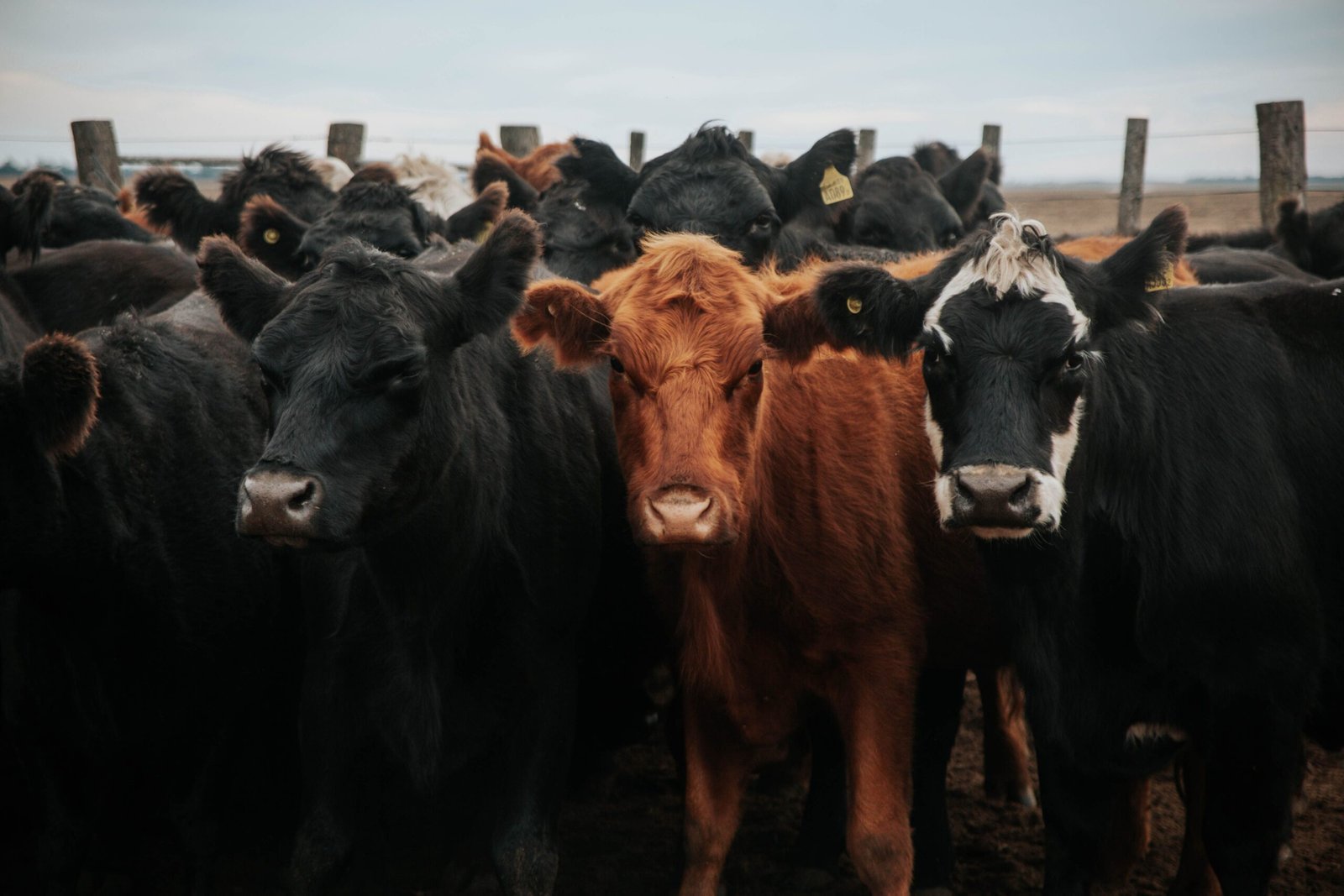
The Red Angus cow is a well-known beef cattle type recognized for its distinctive red coat, strong body, and valuable role in modern cattle farming. Farmers and livestock enthusiasts often consider Red Angus cattle because of their reputation for useful maternal characteristics, efficient beef production, and adaptability to different management systems. Originally developed from Angus cattle in Scotland, the breed has become established in many countries, where it is raised for breeding, commercial beef production, and the improvement of cattle herds. Although Red Angus cattle share their ancestry with Black Angus cattle, their red coloration makes them visually distinctive and attractive to many cattle breeders. Understanding the characteristics of a Red Angus cow, including her appearance, temperament, nutritional requirements, reproductive performance, and potential benefits, can help farmers make informed decisions when selecting animals for their operations.
Whether someone is considering purchasing a Red Angus cow for a small family farm or developing a larger commercial beef herd, learning about the breed’s strengths and management requirements is essential. A productive cattle operation depends on more than choosing an attractive breed; it also requires suitable pasture, balanced nutrition, reliable veterinary care, appropriate breeding decisions, and effective herd management. Red Angus cattle can perform well under suitable conditions, but their success depends on the quality of individual animals and the environment in which they are raised. This comprehensive guide explains what makes the Red Angus cow distinctive, how the breed is used in beef production, and what farmers should know before investing in these animals.
What Is a Red Angus Cow?
A Red Angus cow is a female bovine belonging to the Red Angus population of the Angus breed, a group of beef cattle developed from Scottish Angus ancestry. Angus cattle were historically associated with the northeastern Scottish counties of Aberdeen and Angus, where breeders developed animals valued for their useful beef-producing qualities. Red-coated Angus cattle existed within the broader Angus population, although the red and black color variations later became more distinctly organized in modern breeding programs. Today, Red Angus cattle are recognized as a separate color-based breeding population in many cattle registries, with their own breeding associations and selection programs. They are raised primarily for beef production, and females are often selected for their ability to produce healthy calves, maintain suitable body condition, and remain productive within a well-managed herd.
The term Red Angus cow specifically refers to a female animal, while Red Angus bull refers to a mature male used for breeding. A young female that has not yet produced her first calf is generally called a heifer, and a young Red Angus animal may be referred to as a calf. Understanding these terms is useful when reading cattle advertisements, evaluating breeding stock, or discussing livestock management with farmers. Red Angus cattle are not simply any red-colored beef cattle; their breed identity is established through ancestry, breeding records, and applicable registration requirements. For buyers, checking an animal’s identification, pedigree, health history, and breeding information is more reliable than judging its breed solely by its coat color.
Physical Characteristics of Red Angus Cattle
Red coat and distinctive appearance
One of the most recognizable characteristics of a Red Angus cow is her solid red coat, which can range from a lighter reddish-brown shade to a deeper, darker red. The coat is generally uniform, although individual animals may vary in color intensity and appearance. Red Angus cattle are naturally polled, meaning they are genetically hornless, and this characteristic is an important feature of the breed. Their head is typically neat and relatively refined, while the body is broad and muscular, reflecting their development as beef cattle. Many animals have a deep body, a reasonably wide back, and a well-developed hindquarter, features that contribute to their usefulness in beef production. However, individual animals differ considerably, and breeders evaluate more than appearance when deciding which cattle to retain for breeding.
Body size and weight
Red Angus cows are generally medium-sized beef cattle, although mature weight varies according to genetics, nutrition, age, and management. A mature cow may commonly weigh around 1,200 to 1,500 pounds, or approximately 545 to 680 kilograms, but this is a broad illustrative range rather than a breed-wide standard. Some animals may be smaller or larger depending on their breeding lines and production environment. Red Angus bulls are typically heavier than cows, while calves and heifers have different weight expectations according to age and development. For farmers, the ideal body size depends on the available feed resources, pasture conditions, breeding goals, and the size of calves the cow is expected to deliver. A larger cow is not automatically more profitable, particularly when maintaining her requires substantially more feed.
Temperament and behavior
Red Angus cattle are often described as having a manageable temperament, although behavior varies between individual animals and herds. Calm cattle can make routine activities such as feeding, weighing, health checks, and moving between pastures easier and safer. Good temperament is particularly valuable in a beef operation because animals that are accustomed to calm, consistent handling may be easier to manage during stressful situations. Nevertheless, even a normally quiet cow can become protective when she has a young calf, and bulls may be dangerous regardless of their apparent friendliness. Farmers should use appropriate cattle-handling facilities, maintain safe distances when necessary, and avoid treating any large animal as completely predictable. Selecting breeding animals for calm behavior, sound structure, and good maternal performance can improve the practical manageability of a herd over time.
History and Development of the Red Angus Breed
The history of Red Angus cattle is closely connected to the development of Angus cattle in Scotland. Over generations, Angus breeders selected animals for desirable beef characteristics, including body structure, productive performance, and suitability for farming. Red-coated animals occurred within the wider Angus population, but coat color became an important point of distinction as organized breeding programs developed. In North America, Red Angus cattle gained recognition through dedicated breeding and registration efforts, and the population gradually became established as a distinct red-coated Angus breeding group. The development of organized breed associations helped establish standards for identifying animals, maintaining pedigrees, and encouraging consistent breeding practices.
The modern Red Angus breed reflects decades of selection for a combination of physical traits and practical production characteristics. Breeders have worked to improve qualities such as growth, maternal ability, fertility, carcass performance, and adaptability. Today, Red Angus cattle are raised in a variety of beef production systems, from pasture-based cow-calf operations to herds that supply animals for finishing programs. Their popularity is connected not only to their appearance but also to the availability of breeding records, performance information, and established markets in regions where the breed is well known. As with other cattle breeds, continued improvement depends on responsible selection and careful management rather than assuming that every animal possesses all the characteristics associated with the breed.
Why Red Angus Cows Are Popular Among Farmers
Red Angus cows are valued by many beef producers because they can contribute useful maternal characteristics to a commercial herd. A well-selected cow should be able to become pregnant under an appropriate breeding program, maintain adequate body condition, give birth to a healthy calf, and provide sufficient milk while raising that calf. These qualities are central to a productive cow-calf operation, where the number of healthy calves successfully raised each year has a major influence on farm performance. Red Angus breeding programs commonly emphasize maternal traits alongside growth and carcass characteristics, allowing farmers to select animals according to the requirements of their particular operation. However, a cow’s individual performance, genetic background, nutrition, and reproductive history are more important than breed name alone when evaluating her suitability for a farm.
Another reason farmers consider Red Angus cattle is their potential usefulness in crossbreeding programs. When Red Angus animals are crossed with other suitable beef cattle, the resulting calves may benefit from hybrid vigor, also known as heterosis, depending on the breeds and traits involved. Crossbreeding can be used to combine maternal characteristics from one breed with growth, carcass, or environmental adaptation traits from another. Red Angus genetics may also be incorporated into commercial herds where coat color, polled status, or particular performance characteristics are important selection goals. The best breeding strategy depends on the producer’s market, climate, feed supply, replacement-heifer requirements, and long-term objectives. Farmers should evaluate the strengths and limitations of the actual cattle available rather than relying on broad claims about any breed.
Red Angus Cow Benefits for Beef Production
Maternal performance and calf production
One important reason for raising Red Angus cows is their potential to serve as productive mothers in a beef cattle herd. A good breeding female should have sound feet and legs, a functional udder, adequate body condition, and the ability to raise a healthy calf. Maternal performance is influenced by genetics, nutrition, breeding management, health, and environmental conditions, so farmers should evaluate cows using their actual production records whenever possible. Calving ease is another important consideration, particularly for producers using young heifers or breeding animals of different sizes. Selecting suitable bulls and monitoring cow condition can help reduce calving difficulties, although no breeding decision can eliminate every risk. A productive Red Angus cow is therefore one that combines suitable genetics with reliable management throughout the breeding and calving cycle.
Beef quality and carcass characteristics
Red Angus cattle are raised for beef production, and many breeding programs place emphasis on carcass quality, muscle development, and efficient growth. Angus cattle are widely associated with beef quality, but the actual eating quality of beef depends on numerous factors, including genetics, animal age, nutrition, handling, processing, and cooking. Red Angus animals may produce beef with desirable marbling when their genetics and management support that outcome, but marbling levels are not guaranteed simply because an animal is red or belongs to the Angus breed. Producers supplying particular beef markets should understand the grading standards and specifications used by their buyers. Selecting breeding stock with relevant performance and carcass information can help align a herd with its intended market while maintaining other essential traits such as fertility and structural soundness.
Adaptability to different farming systems
Red Angus cattle are raised in a variety of production environments, including pasture-based systems and operations that use supplemental feeding or feedlot finishing. Their suitability for a particular location depends on factors such as climate, forage availability, water supply, parasite pressure, and management quality. In areas with seasonal rainfall, farmers may need to plan grazing rotations and conserve hay or other feed for periods when pasture growth declines. In hotter climates, access to shade, clean water, and appropriate handling practices becomes especially important. Red Angus cattle should not be assumed to thrive equally well in every environment, and animals from breeding lines selected for similar conditions may be more suitable for a particular farm. Choosing cattle with appropriate adaptation and providing adequate resources are essential for maintaining productivity and animal welfare.
Red Angus Cow Feeding and Nutrition
Proper feeding is essential for maintaining the health, reproductive performance, and productivity of a Red Angus cow. Her nutritional requirements change according to age, body weight, pregnancy status, milk production, activity level, and the quality of available forage. A mature cow in early pregnancy may require a different ration from a cow that is nursing a rapidly growing calf or preparing for calving. Good pasture or suitable conserved forage can provide much of the daily nutrition in many beef production systems, but the quality and quantity of that forage must be monitored. When pasture is insufficient, farmers may need to provide hay, silage, or other appropriate supplements. The objective is to meet nutritional needs without allowing the cow to become excessively thin or unnecessarily overconditioned.
A balanced cattle diet must provide adequate energy, protein, fiber, minerals, and vitamins. Energy supports body maintenance, pregnancy, milk production, and growth, while protein is important for tissue development and many normal bodily functions. Minerals such as calcium, phosphorus, magnesium, and salt play important roles in animal health, although the correct amounts depend on the total diet and local conditions. Farmers should avoid assuming that one mineral mixture is appropriate for every herd, particularly where forage mineral levels vary substantially. A livestock nutritionist or veterinarian can help assess feed quality and identify supplementation needs. Clean drinking water should always be available, and feeding practices should be adjusted gradually to avoid unnecessary digestive disturbances. Sudden changes in diet, especially involving highly concentrated feeds, can create serious health problems.
Feeding management throughout the year
Seasonal feeding plans are particularly important in regions where pasture growth changes significantly throughout the year. During periods of abundant grass, grazing management can help maintain forage quality and reduce waste, while dry seasons or cold weather may require stored feed or additional supplementation. Pregnant cows need particular attention because inadequate nutrition before calving can affect body condition, calf health, and subsequent reproductive performance. After calving, milk production increases nutritional demand, making the availability of good-quality forage especially valuable. Farmers should monitor body condition regularly rather than relying only on visual impressions of weight. A practical feeding program also considers feed storage, spoilage prevention, access to troughs, and the cost of purchased supplements. Careful planning helps maintain a productive herd while making efficient use of available farm resources.
Breeding and Reproduction in Red Angus Cows
Breeding management is a major part of maintaining a successful Red Angus herd. A female should reach an appropriate level of physical development before being bred, and her readiness depends on age, weight, health, and overall condition rather than age alone. The breeding season should be planned around the farm’s calving schedule, available feed resources, labor, and marketing objectives. Producers may use natural service with a suitable bull or artificial insemination, depending on herd size, facilities, expertise, and breeding goals. In either system, selecting genetically suitable breeding animals is essential. Important considerations include fertility, calving ease, maternal performance, structural soundness, and genetic diversity. A bull’s appearance alone is not enough to establish his breeding value, and performance records can provide useful information for making better selection decisions.
Red Angus cows typically have a gestation period of approximately nine months, similar to other cattle, although the exact duration varies. During pregnancy, farmers should provide suitable nutrition, monitor body condition, and arrange appropriate health care. Calving facilities should be clean, safe, and suitable for observation without creating unnecessary stress. Most cows give birth without assistance, but producers need to recognize signs of difficulty and contact a veterinarian when intervention is necessary. After calving, the cow and calf should be monitored to confirm that the calf is breathing normally, receives colostrum, and can nurse effectively. The cow’s udder, appetite, behavior, and general condition should also be checked. Reliable breeding and calving records help identify productive females and make future herd-management decisions more effective.
Red Angus Cow Care and Health Management
A well-managed Red Angus cow needs regular observation, appropriate veterinary care, and a safe living environment. Daily checks allow farmers to identify changes in appetite, movement, behavior, body condition, or calf activity before problems become severe. Cattle should have access to clean water, adequate feed, suitable shelter or shade, and enough space to move comfortably. Fencing must be strong enough to contain the animals, while handling facilities should be designed to reduce stress and protect both livestock and workers. Regular maintenance of these facilities is particularly important when cattle need to be vaccinated, treated, weighed, or moved between pastures. Good husbandry practices can reduce avoidable injuries and make routine management more efficient.
Preventive health care should be developed with a veterinarian who understands the local disease risks and management system. Depending on the region, a herd health plan may include vaccinations, parasite control, reproductive examinations, and testing for relevant infectious diseases. The appropriate schedule varies by country, age, pregnancy status, and local veterinary recommendations. Farmers should keep records of treatments, vaccination dates, breeding events, calving outcomes, and any illnesses. These records make it easier to monitor herd performance and identify recurring problems. New cattle should be assessed before being introduced to an established herd, and sick animals may need to be separated according to veterinary advice. A responsible health program protects animal welfare while supporting the long-term productivity of the farm.
Red Angus Cow vs. Black Angus Cow
Red Angus and Black Angus cattle share Angus ancestry, and both are used extensively in beef production. Their most obvious difference is coat color: Red Angus cattle have red coats, while Black Angus cattle have black coats. Both are naturally polled, and both can be selected for useful beef and maternal characteristics. In many breeding programs, the two populations are evaluated using similar types of performance information, including growth, fertility, calving ease, and carcass traits. However, individual animals can differ substantially, and there is no universal rule that one color group is always more productive or better suited to every farm. The most appropriate choice depends on the particular breeding lines, the farm’s environment, and the producer’s goals.
Feature | Red Angus | Black Angus |
|---|---|---|
Coat color | Red or reddish-brown | Black |
Breed ancestry | Angus | Angus |
Horn status | Naturally polled | Naturally polled |
Main production use | Beef production | Beef production |
Breeding priorities | Fertility, growth, maternal and carcass traits | Fertility, growth, maternal and carcass traits |
For farmers choosing between Red Angus and Black Angus, the most useful approach is to compare individual animals and their breeding information. Relevant factors include the cow’s reproductive history, structural soundness, temperament, health status, and ability to maintain condition in the local environment. Buyers should also consider the availability of suitable bulls, replacement females, and markets for the resulting calves. In some regions, one Angus color population may be more readily available than the other, while in other areas both may be common. Rather than selecting cattle based on coat color alone, producers should prioritize animals that match their management system and offer the best combination of economically important traits.
How to Choose a Red Angus Cow for Your Farm
Purchasing a Red Angus cow is an important decision that should begin with a clear understanding of the farm’s objectives. A producer developing a cow-calf operation may prioritize fertility, maternal ability, soundness, and a manageable mature size, while a breeder focused on registered seedstock may place additional emphasis on pedigree and performance records. Buyers should examine the animal’s physical condition, feet and legs, udder structure, teeth, and general health. For a breeding female, reproductive history is especially valuable because it can reveal whether she has conceived and calved successfully in the past. When buying a heifer, the buyer should evaluate her development, health, and suitability for the intended breeding program. An experienced cattle breeder or veterinarian can help assess animals when the buyer lacks sufficient experience.
Reliable documentation is another important part of selecting a Red Angus cow. Buyers should request identification and registration information when applicable, along with available breeding, vaccination, health, and calving records. Pedigree information can help establish ancestry, while performance records may provide information about growth, maternal traits, and other breeding characteristics. It is also important to understand whether the animal has been raised under conditions similar to those on the buyer’s farm. A cow accustomed to a different feeding system or climate may require an adjustment period after transportation. Before purchasing, farmers should calculate the total cost of acquisition, transport, feed, veterinary care, and suitable facilities. Careful evaluation helps reduce the risk of buying an animal that is poorly matched to the operation.
Red Angus Cow Price and Factors Affecting Cost
The price of a Red Angus cow can vary considerably depending on location, age, breeding status, pedigree, health, reproductive history, and market conditions. A young commercial female may have a different value from a registered breeding cow with documented performance records or a proven history of raising calves. Pregnant cows, cows with calves at their side, and animals from established breeding programs may also be priced differently according to demand and their expected contribution to the herd. Local cattle supply, transportation expenses, feed costs, and the availability of suitable breeding stock all influence the final purchase price. For these reasons, there is no single price that accurately represents every Red Angus cow across all markets.
Farmers should compare several animals from reputable sellers rather than relying on one advertised price. It is useful to ask whether the quoted amount includes registration documents, health testing, pregnancy examination, transportation, or other services. Buyers should also consider the animal’s likely long-term value rather than focusing only on the initial purchase cost. A healthy, productive cow may contribute several calves over her lifetime, while an animal with reproductive or structural problems may create additional expenses. However, even an expensive cow is not automatically a good investment, and a lower-priced animal is not necessarily poor quality. A sensible purchasing decision balances the animal’s documented characteristics, the farm’s resources, and the expected returns from the intended production system.
Challenges of Raising Red Angus Cattle
Although Red Angus cattle can be valuable beef animals, raising them involves challenges that farmers should understand before starting a herd. Feed availability and cost can have a major influence on profitability, particularly during droughts, seasonal pasture shortages, or periods of high feed prices. Reproductive problems, calf losses, disease, parasites, and injuries can also reduce herd performance. Some farms may need to invest in improved fencing, handling facilities, water systems, or additional labor before introducing cattle. Environmental conditions must be considered carefully because cattle that perform well in one region may require different management in another. These challenges are not unique to Red Angus, but they are important when assessing whether the breed fits a particular operation.
Another challenge is avoiding the assumption that breed reputation guarantees individual performance. A Red Angus cow with poor reproductive history, unsuitable structure, or inadequate health management may be less productive than a well-selected cow from another beef breed. Likewise, a herd with good genetics can still perform poorly when nutrition, breeding management, or disease prevention is inadequate. Farmers should maintain realistic expectations, establish measurable production goals, and review results regularly. Useful records include pregnancy rates, calving outcomes, calf survival, weaning weights, feed expenses, and the number of productive years each cow remains in the herd. By monitoring these indicators, producers can identify which animals contribute most effectively to the operation and make informed decisions about replacements and culling.
Red Angus Cows in Sustainable Beef Farming
Red Angus cows can be part of a sustainable beef production system when they are managed in a way that supports animal welfare, efficient resource use, and long-term farm productivity. Pasture management is particularly important because appropriate grazing practices can help maintain forage quality, reduce soil damage, and support healthy grassland ecosystems. Rotational grazing may be useful in some environments, although its effectiveness depends on pasture size, rainfall, stocking rate, and management skill. Farmers can also improve resource efficiency by matching herd size to the available forage and planning for periods of seasonal scarcity. Healthy, fertile cows that consistently raise calves may help reduce the resources required per calf produced, but the outcome depends on the entire production system rather than breed identity alone.
Sustainable cattle farming also requires attention to animal health, manure management, water use, and the farm’s broader environmental conditions. Producers should avoid overstocking pastures, protect vulnerable water sources, and provide adequate nutrition throughout the production cycle. Responsible breeding can support longevity and reduce the need for unnecessary replacement animals, while good veterinary care can prevent avoidable suffering and production losses. No cattle breed is automatically sustainable in every environment, and the environmental impact of beef production varies according to land, feed, management, and other factors. Red Angus cattle may fit well into some systems, particularly where their characteristics align with local resources and market needs. The key is to develop a management plan that balances productivity with environmental responsibility and animal welfare.
Conclusion
The Red Angus cow is a distinctive beef animal valued for her red coat, naturally polled characteristics, and potential contribution to productive cow-calf and beef farming operations. With its Angus ancestry and established breeding programs, Red Angus cattle offer farmers a range of options for selecting animals according to maternal performance, growth, carcass quality, and adaptation to local conditions. Their usefulness, however, depends on the quality of individual animals and the management practices used to raise them. Appropriate feeding, careful breeding decisions, preventive veterinary care, suitable facilities, and reliable production records all play important roles in maintaining a healthy and productive herd.
For anyone considering Red Angus cattle, the most effective approach is to evaluate the breed in relation to the farm’s specific goals, climate, available feed, and market opportunities. Buyers should compare individual cows using health information, reproductive history, structural soundness, and relevant breeding records rather than relying on coat color or breed reputation alone. When properly selected and responsibly managed, Red Angus cows can be valuable members of a beef cattle operation and contribute to the production of healthy calves and quality beef. Understanding their characteristics, benefits, limitations, and care requirements provides a strong foundation for making informed livestock decisions.
Frequently Asked Questions (FAQ)
1. What is a Red Angus cow?
A Red Angus cow is a female beef animal belonging to the red-coated Angus breeding population. She is known for her reddish coat, naturally polled characteristics, and use in beef production. Red Angus cows are commonly raised in cow-calf operations, where they produce and raise calves for commercial beef markets or breeding programs.
2. What color is a Red Angus cow?
A Red Angus cow typically has a solid red or reddish-brown coat. The exact shade can vary from lighter red to darker red, depending on the individual animal. Red Angus cattle are distinct from Black Angus cattle primarily because of their coat color, although both share Angus ancestry.
3. How much does a Red Angus cow weigh?
A mature Red Angus cow may commonly weigh approximately 1,200 to 1,500 pounds, or 545 to 680 kilograms. Actual weight varies according to age, genetics, nutrition, and management. Farmers should evaluate an animal’s body condition and suitability for their production system rather than using weight alone.
4. Are Red Angus cows good for beef production?
Red Angus cows can be suitable for beef production because they are part of a breed developed for beef farming. Their usefulness depends on individual genetics, maternal performance, health, nutrition, and breeding management. Farmers should consider documented performance and the requirements of their intended market when selecting cattle.
5. What is the difference between Red Angus and Black Angus?
The most obvious difference is coat color: Red Angus cattle have red coats, while Black Angus cattle have black coats. Both share Angus ancestry, are naturally polled, and are raised for beef production. Individual performance depends on genetics and management, so neither color group is automatically superior in every farming situation.
6. Are Red Angus cows naturally hornless?
Yes. Red Angus cattle are naturally polled, meaning they are genetically hornless. This characteristic can simplify some aspects of herd management, although appropriate cattle-handling facilities and safe working practices remain essential.
7. What do Red Angus cows eat?
Red Angus cows primarily eat forage such as pasture grass and hay. Depending on the quality and availability of forage, they may also require silage, mineral supplements, or other feeds. Their nutritional needs change during pregnancy, lactation, and different stages of growth, so feeding should be adjusted to their condition and production requirements.
8. How long is a Red Angus cow pregnant?
A Red Angus cow is generally pregnant for approximately nine months, similar to other cattle breeds. The exact gestation period can vary. Proper nutrition, suitable breeding management, and veterinary support are important throughout pregnancy and during calving.
9. Are Red Angus cows suitable for small farms?
Red Angus cows can be suitable for small farms if the operation has sufficient pasture, feed, water, fencing, handling facilities, and access to veterinary care. The number of animals a farm can support depends on its land, forage availability, climate, and management resources. Starting with a manageable herd size can help new cattle owners gain experience.
10. What should I check before buying a Red Angus cow?
Before buying a Red Angus cow, examine her health, body condition, feet and legs, udder, temperament, and reproductive history. Request available identification, pedigree, vaccination, and breeding records. If possible, have a veterinarian or experienced cattle breeder help assess the animal and confirm that she is suitable for your

Jenna Ortega has become one of the most recognizable young actors of her generation, with her breakthrough performance as Wednesday Addams turning her into an international star. Her career, however, began well before Wednesday, with years of television and film work that established her as a versatile performer capable of moving between comedy, drama, horror, and mystery. Netflix identifies Ortega as the star of Wednesday, where she plays the iconic Wednesday Addams, while its behind-the-scenes coverage also highlights her expanded involvement as a producer on the second season.
Jenna Ortega’s Rise to Fame
Jenna Ortega built her acting career gradually rather than becoming famous overnight. Before Wednesday, she appeared in television productions and films that gave her experience across different genres and helped establish her reputation as a young performer. Her role in You and appearances in horror films including Scream, Scream VI, and X helped audiences recognize her ability to handle darker and more intense material. Netflix’s cast guide for Wednesday also lists her work in The Babysitter: Killer Queen and Beetlejuice Beetlejuice among her notable screen credits.
Her breakthrough arrived with Netflix’s Wednesday, a supernatural mystery series centered on Wednesday Addams and her experiences at Nevermore Academy. Ortega’s interpretation combined the character’s recognizable deadpan personality with a more developed emotional and dramatic dimension. Netflix describes the series as following Wednesday as she investigates mysteries while navigating friendships and conflicts at the unusual school.
Jenna Ortega as Wednesday Addams
The role of Wednesday Addams became the defining part of Ortega’s career. The character had already been portrayed in numerous versions of the Addams Family franchise, but the Netflix series gave Wednesday a much larger role as the central protagonist. According to Netflix’s behind-the-scenes coverage, Ortega had been familiar with comparisons between herself and Wednesday because of her dry sense of humor and personality, making the role particularly interesting for her.
What makes Ortega’s performance notable is the way she balances Wednesday’s distinctive humor with the character’s vulnerability and determination. Rather than treating Wednesday simply as a collection of sarcastic one-liners, the series explores her relationships, psychic abilities, investigations, family connections, and difficulties understanding emotions. Netflix’s coverage describes this version of Wednesday as an intelligent young detective dealing with supernatural mysteries while developing relationships with the people around her.
Wednesday on Netflix
Wednesday premiered as a supernatural mystery series featuring Ortega in the title role. The story follows Wednesday after she is sent to Nevermore Academy, a school connected to her parents and populated by students with unusual supernatural abilities. There she becomes involved in a series of mysteries and attempts to uncover the truth behind strange events surrounding the school and its community.
The show’s combination of gothic visuals, dark comedy, mystery, fantasy, and teenage drama helped establish a distinctive identity. Netflix currently lists two seasons of Wednesday, with Season 2 expanding the story and giving Ortega an additional role behind the camera as a producer. Netflix’s official coverage states that all eight episodes of Season 2 are streaming and describes the second chapter as a darker continuation involving new mysteries, family relationships, friends, and old adversaries.
Jenna Ortega’s Work Beyond Wednesday
Although Wednesday is Ortega’s most widely recognized role, her career includes considerably more than the Netflix series. Her filmography includes projects from several genres, particularly horror. Her appearances in Scream, Scream VI, X, and Beetlejuice Beetlejuice demonstrate her connection to contemporary horror cinema, while her earlier television work shows the range of her career before she became internationally associated with Wednesday Addams.
This variety is important when considering Jenna Ortega’s career because her success has not depended on a single type of performance. She has worked in television, feature films, comedy, drama, horror, fantasy, and mystery. Her growing involvement in production also indicates an interest in the creative process beyond simply performing in front of the camera.
Jenna Ortega and the Future of Wednesday
The success of Wednesday has made Ortega closely associated with the character, but her continued career is broader than the franchise. Netflix’s current Wednesday coverage reports that Season 3 has wrapped filming, indicating that the story is continuing beyond the first two seasons.
For audiences searching for information about Jenna Ortega, it is therefore useful to look beyond individual viral searches and consider the larger trajectory of her career. Her development from a young television performer into the lead of one of Netflix’s most prominent series illustrates how long-term experience can eventually lead to a defining breakthrough role.
Why Jenna Ortega Has Become So Popular
Several factors have contributed to Jenna Ortega’s popularity. Her performance style fits characters who are independent, unconventional, and emotionally complicated, while her work across horror and mystery has helped create a recognizable screen presence. Her portrayal of Wednesday is particularly distinctive because she combines controlled physical acting, understated comedy, and dramatic intensity rather than relying exclusively on dialogue.
The popularity of Wednesday has also introduced Ortega to audiences around the world. Netflix’s official material emphasizes her central position within the show’s cast and her expanded responsibilities during Season 2. This combination of acting visibility and increasing creative involvement has made her career an interesting subject for viewers following contemporary television and film.
Conclusion
Jenna Ortega’s career is much broader than any single internet search or viral moment. From her early acting work to major roles in horror films and her internationally recognized performance as Wednesday Addams, she has developed a diverse career across television and cinema. Wednesday remains a major part of her public profile, but her film work and increasing involvement in production demonstrate that her professional trajectory extends beyond one character.
For readers interested in Jenna Ortega, the most useful approach is to explore her biography, filmography, Wednesday performance, and continuing creative work. These subjects provide a much fuller picture of the actor and explain why she has become such a prominent figure in contemporary entertainment.
Frequently Asked Questions
Who is Jenna Ortega?
Jenna Ortega is an American actor best known internationally for playing Wednesday Addams in Netflix’s Wednesday. She has also appeared in television productions and films including Scream, Scream VI, X, and Beetlejuice Beetlejuice.
What is Jenna Ortega famous for?
She is particularly famous for portraying Wednesday Addams in Netflix’s Wednesday. The role became a major breakthrough in her career and established her as one of the show’s central stars.
How many seasons of Wednesday are available?
Netflix currently lists two seasons of Wednesday, with all eight episodes of Season 2 available for streaming.
What movies has Jenna Ortega appeared in?
Her film credits include The Babysitter: Killer Queen, Scream, X, Scream VI, and Beetlejuice Beetlejuice, among other projects.
Did Jenna Ortega work as a producer on Wednesday?
Yes. Netflix’s Season 2 cast guide identifies Ortega as taking on an expanded producer role during the second season.
Where can I watch Wednesday?
Netflix’s official site currently lists Wednesday as a Netflix series starring Jenna Ortega, Gwendoline Christie, and Catherine Zeta-Jones.


Jenna Ortega: Biography, Career, Wednesday, Movies and TV Shows
Al-Anon 12 Steps: A Complete Guide to Understanding the Twelve Steps
Flap to the Future: How Innovation Is Changing the Way We Move

POCSO Case: Complete Guide to the Protection of Children from Sexual Offences Act, Procedure, Punishment, Rights, and Legal Process

Persona 5 Royal Fusion Calculator: The Ultimate Guide to Perfect Persona Fusion

TPE: 2317 – Complete Guide, Features, Applications, Benefits, and Specifications
 Politics4 months ago
POCSO Case: Complete Guide to the Protection of Children from Sexual Offences Act, Procedure, Punishment, Rights, and Legal Process
- Uncategorized4 months ago
Persona 5 Royal Fusion Calculator: The Ultimate Guide to Perfect Persona Fusion
- Uncategorized4 months ago
TPE: 2317 – Complete Guide, Features, Applications, Benefits, and Specifications
- Business4 months ago
Mietmakler: The Complete Guide to Rental Brokers, Benefits, Costs, and Finding the Perfect Rental Property
- Celebrity4 months ago
Jimmy Harrell: Biography, Career, Achievements, Legacy, and Interesting Facts
- News3 months ago
AC Breaking News: Latest Headlines, Breaking Stories, Live Updates, and Trending News
- Lifestyle3 months ago
Marshall Tools Bricky: The Complete Guide to Professional Bricklaying Tools
- Entertainment4 months ago
Star Wars Movie FX Maker Codes: Complete Guide to Unlock Effects, Characters, and Hidden Features