Connect with us

Blog

Flooding in Auburn WA: Causes, Risks, Safety Tips, and How to Prepare

Published

on

Flooding in Auburn WA

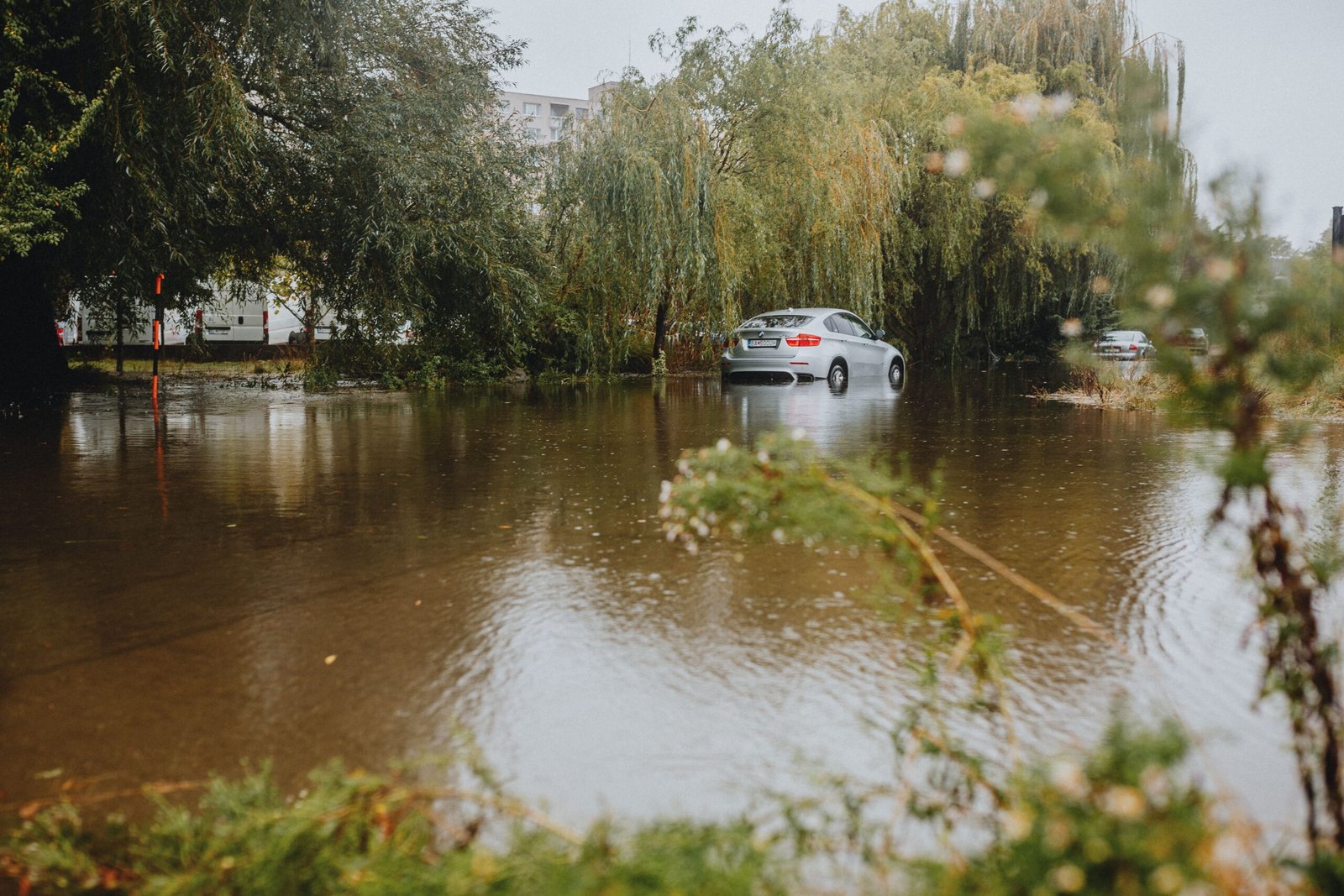
Flooding in Auburn WA is an important concern for residents, homeowners, renters, businesses, and anyone traveling through the area during periods of heavy rain. Auburn’s location near the Green and White Rivers means that river flooding can become a serious issue during major precipitation events, while intense rainfall can also create localized stormwater flooding in streets and lower-lying areas. The City of Auburn explains that flooding in the region can be influenced by a combination of heavy rainfall and snowmelt from the Cascade Mountains, while localized flooding can also occur when stormwater runoff exceeds drainage capacity.

Flooding does not necessarily mean that every part of Auburn will experience standing water at the same time. Conditions can vary considerably depending on elevation, proximity to rivers and drainage channels, rainfall intensity, soil saturation, stormwater infrastructure, and the operation of regional flood-control systems. The city states that the Green and White Rivers are central to Auburn’s flood risk and that higher flood stages can affect broader areas, while heavy precipitation can also cause localized urban flooding. Understanding these differences is important because preparation should not begin only after water has already started rising. Knowing your risk, receiving emergency alerts, preparing an evacuation route, protecting important belongings, and understanding how to respond to floodwater can significantly improve safety.

Why Does Flooding Happen in Auburn WA?

One of the main reasons flooding in Auburn WA deserves attention is the city’s relationship with two major river systems. According to the City of Auburn, flooding can occur along the Green and White Rivers, particularly when heavy rainfall combines with runoff from melting snow in the Cascade Mountains. Although dams and other flood-control infrastructure reduce the likelihood and severity of some flooding, those systems cannot eliminate flood risk completely. Extremely wet conditions can still create dangerous situations, particularly when rivers are already elevated and additional rainfall continues to enter the watershed.

Auburn can also experience flooding that is not directly caused by a river overflowing its banks. During periods of intense rainfall, stormwater can accumulate rapidly when drainage systems cannot move water away quickly enough. Streets, parking areas, yards, basements, underpasses, and other low points can collect water even when the nearest river is not overflowing. This is one reason residents should pay attention to both river flood warnings and local weather conditions. King County notes that urban flooding can create transportation problems and affect residential and business properties, meaning that flood risk is not limited exclusively to properties located immediately beside a river.

Green River and White River Flood Risk in Auburn

The Green River and White River are central to understanding Auburn’s flood environment. King County identifies the Green River as one of the major river systems flowing through the county, and its flood services include monitoring and warning resources for river conditions. The county specifically provides information for the Green River near Auburn, including river gauge data that can help residents understand changing conditions.

Flood-control infrastructure has reduced the historical frequency and severity of some flooding in the Auburn area. The City of Auburn explains that the Howard A. Hanson Dam on the Green River and Mud Mountain Dam on the White River, along with levees and other flood-management measures, play an important role in reducing flood risk. However, the city also emphasizes that major rainfall events can exceed the protection provided by dams and levees. This means residents should not assume that a property is permanently safe simply because it has not flooded in recent years.

Recent flood-management work also demonstrates why continued preparedness matters. Following the historic December 2025 flooding, the King County Flood Control District reported emergency projects involving flood protection infrastructure around the White River and Auburn, including work near the Oravetz School Revetment and Roegner Park. These projects are examples of how local agencies continue strengthening flood protection, but individual residents still need their own household and business preparedness plans.

When Is Flooding in Auburn WA Most Likely?

The City of Auburn states that most flooding historically occurs during the winter months, typically from November through February. This seasonal pattern is connected to periods of heavier precipitation and mountain snow conditions, although flooding can occur outside the traditional winter period when weather conditions produce sufficient rainfall or runoff.

Residents should therefore be particularly attentive during extended periods of heavy rain. A single short rainstorm may not create significant flooding, but several days of persistent precipitation can saturate the ground and increase runoff into rivers and drainage systems. When heavy rainfall combines with snowmelt, river levels can rise more quickly and remain elevated for longer periods. This is why checking official warnings during prolonged wet weather is more useful than relying only on whether water is currently visible near your property.

How to Check Flood Risk in Auburn WA

If you live in Auburn, one of the most useful things you can do is determine whether your home or business is located within or near a designated flood-prone area. The City of Auburn provides floodplain information, while King County provides mapping and flood-risk resources. King County recommends using its mapping tools and FEMA’s Flood Map Service Center to investigate floodplain boundaries and understand potential exposure.

It is important to understand that flood maps are not simply a record of where water has recently appeared. A property may be located within a FEMA floodplain even if the owner has never personally experienced flooding there. Auburn explains that floodplain designations use information such as ground elevations and historical rainfall data to estimate where water could go under specified scenarios. Checking the risk before an emergency occurs gives homeowners much more time to make practical decisions about insurance, drainage, property improvements, emergency supplies, and evacuation planning.

How to Prepare for Flooding in Auburn WA

Preparing for Auburn WA flooding should begin well before a warning is issued. Start by creating a household emergency plan that includes several ways to leave the area and a predetermined meeting location on higher ground. Every member of the household should know how to receive emergency alerts and what to do if authorities issue an evacuation recommendation. Auburn also recommends having emergency supplies sufficient for an extended disruption and preparing to shelter in place if necessary.

Protecting property is another important part of flood preparation. Vehicles, outdoor equipment, valuables, important documents, and other items that can be moved should be relocated to higher areas when flooding is anticipated. Items stored in basements or on lower floors should be moved upward when possible. Residents should also keep storm drains and drainage areas clear of leaves, trash, and other debris. King County specifically recommends maintaining street drains and storm grates and learning how to use sandbags where appropriate.

Flood insurance is also worth considering because ordinary homeowners or renters insurance may not provide the type of flood coverage many people assume they have. King County recommends flood insurance for homeowners and renters seeking protection against flood-related losses. Anyone considering a policy should review exactly what the policy covers, including building structures, contents, deductibles, exclusions, and waiting periods, rather than waiting until a storm is approaching.

What to Do During a Flood

When flooding in Auburn WA becomes an active threat, personal safety should take priority over property. Follow instructions from emergency officials and monitor reliable local sources for changing conditions. If authorities tell residents to evacuate, leaving early is generally safer than waiting until roads are surrounded by water or evacuation routes become difficult to use. Auburn recommends evacuating toward higher elevations and following designated safety instructions.

Never walk or drive through floodwater simply because the water appears shallow. Moving water can be deceptively powerful, and submerged roads may contain damaged pavement, debris, open drainage structures, electrical hazards, or other dangers that cannot be seen from the surface. King County explicitly advises people not to walk, wade, or drive through flooded areas and emphasizes turning around rather than attempting to cross dangerous water. If you become trapped inside a building by rapidly rising water, call 911 and move to a safer higher level if possible.

Electricity creates an additional hazard during flooding. Do not touch electrical equipment while standing in water, and avoid downed power lines. Auburn advises residents to stay away from downed lines and to turn utilities off if their home is flooded, following appropriate safety procedures and official guidance. If you are unsure whether electrical systems, gas appliances, or structural components are safe after flooding, wait for qualified professionals or emergency officials to provide guidance.

What to Do After Flooding

Flood danger does not automatically disappear when rainfall stops. Water may remain in low-lying areas, river levels can stay elevated, and buildings can contain hidden electrical, structural, or contamination hazards. Before entering a flooded building, check for obvious structural damage and be especially cautious around electricity and gas. King County recommends using flashlights rather than open flames when entering a building because gas leaks may be present.

Documentation is also important after a flood. Photograph damaged rooms, furniture, appliances, vehicles, walls, floors, and other property before extensive cleanup begins whenever it is safe to do so. Keep records of repair expenses and contact your insurance provider as soon as possible to understand the claims process. King County recommends documenting the high-water mark, photographing damage, and keeping records of repair costs.

Water damage can quickly lead to additional problems if wet materials are not properly dried and treated. Depending on the severity of the flooding, homeowners may need professional water extraction, drying, structural assessment, electrical inspection, or mold remediation. In Auburn, residents can find local restoration providers such as 24/7 Flood & Fire, SERVPRO of Auburn/Enumclaw, and Restoration Medix LLC. These are examples of local services to research rather than endorsements; homeowners should compare qualifications, availability, estimates, insurance handling, and customer reviews before hiring a contractor.

Flood Alerts and Emergency Information

One of the simplest ways to improve flood preparedness is to receive warnings before conditions become dangerous. King County provides flood alerts for rivers and creeks and also offers a flood warning app for monitoring changing river conditions. These resources can be particularly valuable during extended periods of heavy rain when river levels may change over time.

For an active emergency, residents should rely on official emergency instructions rather than social media rumors or unverified posts. The King County Flood Control District states that emergency flood events should be reported through 911, while its flood-warning resources provide information for non-emergency active flood situations. Having alerts enabled before the next major storm can give residents valuable time to move belongings, relocate vehicles, prepare family members, and evacuate if necessary.

How Homeowners Can Reduce Flood Damage

Homeowners cannot completely eliminate flood risk, but they can take steps to reduce potential damage. Depending on the property and flood zone, possible measures include improving drainage, protecting basement openings, elevating vulnerable equipment, installing appropriate flood-resistant improvements, and keeping important belongings above expected water levels. Auburn’s floodplain guidance also points property owners toward measures such as elevating structures and retrofitting homes to reduce future flood damage.

The best flood-mitigation strategy depends on the specific property. A house near a river may have different vulnerabilities from a home that primarily faces stormwater runoff. Before investing significant money in modifications, homeowners should determine the property’s flood exposure, understand applicable local regulations, and consult qualified professionals when structural changes are being considered.

Why Flood Preparedness Matters for Auburn Residents

The biggest mistake people can make regarding flooding in Auburn WA is assuming that because their neighborhood has not flooded recently, it cannot flood in the future. Flood-control infrastructure significantly reduces risk, but it does not make flooding impossible. Auburn’s own floodplain guidance emphasizes that significant rainfall can exceed the protection provided by dams and levees and that properties can remain at risk even when they have not experienced recent flooding.

Preparedness is therefore not about expecting a disaster every time it rains. It is about having a sensible plan before one occurs. Knowing your flood zone, subscribing to alerts, maintaining emergency supplies, understanding evacuation routes, protecting important documents, reviewing insurance, and knowing how to respond to floodwater can all reduce confusion when conditions deteriorate. Good preparation can make a major difference for families, businesses, and property owners.

Conclusion

Flooding in Auburn WA is a real but manageable community risk that requires awareness and preparation. Auburn’s position near the Green and White Rivers, combined with heavy rainfall, snowmelt, and localized stormwater runoff, means that different parts of the city can experience different types of flooding. Local dams, levees, drainage systems, and other flood-management projects provide important protection, but they cannot eliminate every possible flood scenario.

The most effective approach is to prepare before water starts rising. Check your property’s flood risk, sign up for official alerts, create an evacuation plan, keep emergency supplies available, protect valuable belongings, consider appropriate flood insurance, and never attempt to walk or drive through floodwater. By taking these steps and following official guidance from the City of Auburn and King County, residents can be better prepared for heavy rain, rising rivers, and future flood emergencies.

Frequently Asked Questions About Flooding in Auburn WA

Is Auburn WA at risk of flooding?

Yes. Auburn has flood risk associated with the Green and White Rivers as well as localized flooding caused by stormwater runoff during periods of heavy precipitation. The exact level of risk depends on the property’s location, elevation, drainage conditions, and proximity to waterways.

What causes flooding in Auburn WA?

Flooding can result from heavy rainfall, snowmelt and runoff from the Cascades, rising Green River and White River levels, and localized stormwater runoff. These factors can sometimes occur together and increase the potential for flooding.

When does Auburn usually experience flooding?

The City of Auburn says most flooding historically occurs during the winter, typically from November through February. However, flooding can occur whenever sufficiently intense or prolonged precipitation produces dangerous runoff or river levels.

How can I check my flood risk in Auburn?

Residents can use local floodplain information, King County mapping resources, and FEMA flood maps to investigate whether their property is located within a designated flood-risk area. King County specifically recommends using its mapping tools and FEMA’s Flood Map Service Center.

Does flood insurance cover flooding in Auburn WA?

Flood insurance is specifically designed to provide coverage for eligible flood-related losses, but the exact coverage depends on the policy. King County recommends that homeowners and renters consider flood insurance and review their coverage with an insurance professional.

What should I do if floodwater starts rising?

Move to a safer, higher location, follow official emergency instructions, and evacuate immediately if authorities tell you to do so. Never walk or drive through floodwater. If rapidly rising water traps you inside a building, call 911 and move to a higher level if it is safe to do so.

Is flooding possible even if my home has never flooded?

Yes. Auburn explains that a property can be located in a FEMA floodplain even if it has never previously flooded. Flood maps consider elevation, historical rainfall, and potential flood scenarios, so the absence of past flooding does not guarantee future protection.

Where can Auburn residents get flood warnings?

King County provides flood alerts and a flood warning app that can help residents monitor river and creek conditions. Residents should also follow official City of Auburn emergency communications during local emergencies.

Continue Reading

Blog

Jenna Ortega: Biography, Career, Wednesday, Movies and TV Shows

Published

on

Jenna Ortega

Jenna Ortega has become one of the most recognizable young actors of her generation, with her breakthrough performance as Wednesday Addams turning her into an international star. Her career, however, began well before Wednesday, with years of television and film work that established her as a versatile performer capable of moving between comedy, drama, horror, and mystery. Netflix identifies Ortega as the star of Wednesday, where she plays the iconic Wednesday Addams, while its behind-the-scenes coverage also highlights her expanded involvement as a producer on the second season.

Jenna Ortega’s Rise to Fame

Jenna Ortega built her acting career gradually rather than becoming famous overnight. Before Wednesday, she appeared in television productions and films that gave her experience across different genres and helped establish her reputation as a young performer. Her role in You and appearances in horror films including Scream, Scream VI, and X helped audiences recognize her ability to handle darker and more intense material. Netflix’s cast guide for Wednesday also lists her work in The Babysitter: Killer Queen and Beetlejuice Beetlejuice among her notable screen credits.

Her breakthrough arrived with Netflix’s Wednesday, a supernatural mystery series centered on Wednesday Addams and her experiences at Nevermore Academy. Ortega’s interpretation combined the character’s recognizable deadpan personality with a more developed emotional and dramatic dimension. Netflix describes the series as following Wednesday as she investigates mysteries while navigating friendships and conflicts at the unusual school.

Jenna Ortega as Wednesday Addams

The role of Wednesday Addams became the defining part of Ortega’s career. The character had already been portrayed in numerous versions of the Addams Family franchise, but the Netflix series gave Wednesday a much larger role as the central protagonist. According to Netflix’s behind-the-scenes coverage, Ortega had been familiar with comparisons between herself and Wednesday because of her dry sense of humor and personality, making the role particularly interesting for her.

What makes Ortega’s performance notable is the way she balances Wednesday’s distinctive humor with the character’s vulnerability and determination. Rather than treating Wednesday simply as a collection of sarcastic one-liners, the series explores her relationships, psychic abilities, investigations, family connections, and difficulties understanding emotions. Netflix’s coverage describes this version of Wednesday as an intelligent young detective dealing with supernatural mysteries while developing relationships with the people around her.

Wednesday on Netflix

Wednesday premiered as a supernatural mystery series featuring Ortega in the title role. The story follows Wednesday after she is sent to Nevermore Academy, a school connected to her parents and populated by students with unusual supernatural abilities. There she becomes involved in a series of mysteries and attempts to uncover the truth behind strange events surrounding the school and its community.

The show’s combination of gothic visuals, dark comedy, mystery, fantasy, and teenage drama helped establish a distinctive identity. Netflix currently lists two seasons of Wednesday, with Season 2 expanding the story and giving Ortega an additional role behind the camera as a producer. Netflix’s official coverage states that all eight episodes of Season 2 are streaming and describes the second chapter as a darker continuation involving new mysteries, family relationships, friends, and old adversaries.

Jenna Ortega’s Work Beyond Wednesday

Although Wednesday is Ortega’s most widely recognized role, her career includes considerably more than the Netflix series. Her filmography includes projects from several genres, particularly horror. Her appearances in Scream, Scream VI, X, and Beetlejuice Beetlejuice demonstrate her connection to contemporary horror cinema, while her earlier television work shows the range of her career before she became internationally associated with Wednesday Addams.

This variety is important when considering Jenna Ortega’s career because her success has not depended on a single type of performance. She has worked in television, feature films, comedy, drama, horror, fantasy, and mystery. Her growing involvement in production also indicates an interest in the creative process beyond simply performing in front of the camera.

Jenna Ortega and the Future of Wednesday

The success of Wednesday has made Ortega closely associated with the character, but her continued career is broader than the franchise. Netflix’s current Wednesday coverage reports that Season 3 has wrapped filming, indicating that the story is continuing beyond the first two seasons.

For audiences searching for information about Jenna Ortega, it is therefore useful to look beyond individual viral searches and consider the larger trajectory of her career. Her development from a young television performer into the lead of one of Netflix’s most prominent series illustrates how long-term experience can eventually lead to a defining breakthrough role.

Why Jenna Ortega Has Become So Popular

Several factors have contributed to Jenna Ortega’s popularity. Her performance style fits characters who are independent, unconventional, and emotionally complicated, while her work across horror and mystery has helped create a recognizable screen presence. Her portrayal of Wednesday is particularly distinctive because she combines controlled physical acting, understated comedy, and dramatic intensity rather than relying exclusively on dialogue.

The popularity of Wednesday has also introduced Ortega to audiences around the world. Netflix’s official material emphasizes her central position within the show’s cast and her expanded responsibilities during Season 2. This combination of acting visibility and increasing creative involvement has made her career an interesting subject for viewers following contemporary television and film.

Conclusion

Jenna Ortega’s career is much broader than any single internet search or viral moment. From her early acting work to major roles in horror films and her internationally recognized performance as Wednesday Addams, she has developed a diverse career across television and cinema. Wednesday remains a major part of her public profile, but her film work and increasing involvement in production demonstrate that her professional trajectory extends beyond one character.

For readers interested in Jenna Ortega, the most useful approach is to explore her biography, filmography, Wednesday performance, and continuing creative work. These subjects provide a much fuller picture of the actor and explain why she has become such a prominent figure in contemporary entertainment.

Frequently Asked Questions

Who is Jenna Ortega?

Jenna Ortega is an American actor best known internationally for playing Wednesday Addams in Netflix’s Wednesday. She has also appeared in television productions and films including Scream, Scream VI, X, and Beetlejuice Beetlejuice.

What is Jenna Ortega famous for?

She is particularly famous for portraying Wednesday Addams in Netflix’s Wednesday. The role became a major breakthrough in her career and established her as one of the show’s central stars.

How many seasons of Wednesday are available?

Netflix currently lists two seasons of Wednesday, with all eight episodes of Season 2 available for streaming.

What movies has Jenna Ortega appeared in?

Her film credits include The Babysitter: Killer Queen, Scream, X, Scream VI, and Beetlejuice Beetlejuice, among other projects.

Did Jenna Ortega work as a producer on Wednesday?

Yes. Netflix’s Season 2 cast guide identifies Ortega as taking on an expanded producer role during the second season.

Where can I watch Wednesday?

Netflix’s official site currently lists Wednesday as a Netflix series starring Jenna Ortega, Gwendoline Christie, and Catherine Zeta-Jones.


Continue Reading

Blog

Al-Anon 12 Steps: A Complete Guide to Understanding the Twelve Steps

Published

on

Al-Anon 12 Steps

The Al-Anon 12 Steps are a central part of the Al-Anon program, which provides support for people whose lives have been affected by someone else’s drinking. Alcohol misuse can affect far more than the person who drinks. Family members, partners, relatives, friends, and other people close to them may experience worry, confusion, conflict, resentment, disappointment, financial stress, or a persistent feeling that they need to control situations they cannot actually control. Al-Anon approaches these difficulties by giving members an opportunity to focus on their own well-being rather than trying to manage another person’s drinking. The Twelve Steps provide a structured framework for personal reflection, acceptance, spiritual growth, and healthier ways of responding to difficult circumstances.

For someone discovering Al-Anon for the first time, the Twelve Steps can initially seem unfamiliar or even difficult to understand. The language of the Steps comes from the broader Twelve-Step tradition, and some of the concepts involve spirituality, personal responsibility, forgiveness, self-examination, and making changes in one’s own behavior. Importantly, the Steps are not simply a checklist that someone completes once and then forgets. Many people use them as continuing principles for examining their reactions, relationships, choices, and attitudes. This makes the Al-Anon 12 Steps relevant not only to someone attending their first meeting but also to people who have participated in Al-Anon for years and continue to apply its principles in everyday life.


What Are the Al-Anon 12 Steps?

The Al-Anon Twelve Steps are a set of principles intended to help people affected by another person’s drinking work toward personal change and greater emotional well-being. Al-Anon was developed specifically for families and friends of people with drinking problems, and its approach is distinct from trying to make the drinker stop drinking. Instead, the program encourages members to examine their own responses and discover healthier ways of dealing with circumstances that may be outside their control.

The Steps move through several broad themes. They begin with acknowledging that personal efforts to control another person’s drinking may not work and recognizing the need for help. They then introduce trust, self-examination, making amends where appropriate, continuing personal inventory, and carrying the principles into everyday life. The language and interpretation of the Steps can vary somewhat among individuals and groups, but their overall purpose is to provide a framework for personal recovery. They are designed to be practiced rather than treated merely as information to memorize.


The 12 Steps of Al-Anon

The following is a summary and explanation of the Al-Anon Twelve Steps, rather than a reproduction of the full copyrighted wording. Readers who want the official wording should consult Al-Anon’s own literature or official resources.

Step 1: Recognizing the Limits of Personal Control

The first Step focuses on acknowledging that attempts to control another person’s drinking and its consequences have not worked. For many people, this can be one of the most challenging realizations in the entire process because living with problematic drinking can create a strong desire to fix situations, prevent consequences, monitor behavior, or protect someone from the results of their actions. Step 1 shifts attention toward recognizing the limits of that control.

This does not mean that a person has no choices or power over their own life. Instead, it distinguishes between what someone can control and what they cannot. A person generally cannot force another adult to stop drinking, but they can consider their own boundaries, responses, decisions, and sources of support. That distinction is an important theme throughout Al-Anon.

Step 2: Developing Hope and Trust

The second Step introduces the possibility that help can come from something greater than an individual’s own limited perspective. Different people understand this concept in different ways. Al-Anon welcomes members with varying spiritual beliefs, and the idea of a “Power greater than ourselves” does not require everyone to hold the same religious beliefs.

For someone overwhelmed by a difficult family situation, Step 2 can represent a movement from hopelessness toward the possibility of change. The change begins with the individual rather than with an expectation that another person must immediately change. Over time, this perspective may help a person become more open to support, guidance, reflection, and new ways of responding.

Step 3: Choosing to Trust and Let Go

The third Step centers on making a decision to turn one’s will and life over to the care of a higher power as each person understands that concept. For some people, this is a deeply spiritual idea. For others, it may initially mean becoming willing to stop relying entirely on their own attempts to control every outcome.

In practical terms, Step 3 can encourage people to pause before reacting automatically to stressful situations. Instead of constantly trying to predict or manage another person’s behavior, they can concentrate on what they themselves can do. This can create room for calmer decision-making and greater awareness.

Step 4: Conducting an Honest Personal Inventory

Step 4 asks members to undertake a searching and fearless moral inventory of themselves. This is often discussed as one of the more intensive stages of the Twelve-Step process because it encourages honest examination of attitudes, behaviors, fears, resentments, and relationship patterns.

A personal inventory is not intended to become an exercise in self-hatred. Its purpose is to help a person recognize patterns that may be causing difficulties or preventing growth. For someone who has spent years focusing almost entirely on another person’s drinking, turning attention inward can feel unfamiliar. Step 4 provides an opportunity to ask questions about one’s own behavior, boundaries, reactions, fears, and expectations.

Step 5: Sharing and Acknowledging What Has Been Discovered

The fifth Step involves admitting to God, oneself, and another person the exact nature of one’s wrongs. The important idea here is honest acknowledgment rather than secrecy. Many people find that keeping painful experiences, resentments, fears, or personal mistakes hidden can increase emotional pressure.

Discussing an inventory with a trusted person can provide perspective and accountability. The process should be approached thoughtfully and with appropriate support. A sponsor or another trusted Al-Anon member may help someone work through the material in a way that feels structured and safe.

Step 6: Becoming Ready for Change

The sixth Step focuses on becoming entirely ready to have one’s shortcomings removed. This is another point at which the language can initially seem abstract. In practical terms, it encourages people to become willing to recognize patterns that are not serving them and to consider changing them.

For example, someone may recognize patterns such as excessive control, resentment, constant worrying, people-pleasing, or difficulty establishing boundaries. Recognizing a pattern does not automatically change it. Step 6 emphasizes willingness—the readiness to consider that a different way of living may be possible.

Step 7: Practicing Humility

The seventh Step focuses on humbly asking for shortcomings to be removed. Humility in this context does not mean thinking poorly of oneself. Instead, it can involve accepting that personal growth often requires help, patience, honesty, and willingness to change.

Humility can also mean recognizing that a person does not have to solve every problem alone. In relationships affected by alcohol misuse, people can become accustomed to taking responsibility for everything. The principles associated with Step 7 encourage a different approach: acknowledge limitations, seek support, and work on personal behavior without assuming responsibility for another person’s choices.

Step 8: Identifying Harm and Becoming Willing to Make Amends

Step 8 involves making a list of people who have been harmed and becoming willing to make amends. This can be an important stage because personal recovery is not only about identifying what happened to someone; it also involves examining how one’s own actions may have affected other people.

The process requires careful judgment. Making amends is not necessarily the same as apologizing to everyone immediately or reopening every relationship. In some circumstances, direct contact could be inappropriate or harmful. Al-Anon members can discuss these situations with experienced members or sponsors and consider what responsible action means in their particular circumstances.

Step 9: Making Direct Amends When Appropriate

Step 9 builds on the previous Step by encouraging direct amends wherever possible, provided doing so does not cause further injury. An amends can involve acknowledging harmful behavior, taking responsibility, and making appropriate changes rather than simply saying “sorry.”

The principle behind this Step emphasizes responsibility for one’s own actions. It also recognizes an important limitation: repairing relationships is not always completely within one person’s control. Someone can sincerely acknowledge harm and change their behavior, but they cannot dictate how another person responds.

Step 10: Continuing Personal Inventory

Step 10 introduces an ongoing practice of personal inventory. Rather than viewing self-examination as something that happens only once, members are encouraged to continue recognizing mistakes and promptly admitting them when appropriate.

This can be useful in ordinary daily situations. A disagreement with a partner, an angry reaction, an unnecessary attempt to control someone, or a moment of dishonesty can become an opportunity for reflection. The goal is not perfection. Instead, continuing inventory can help a person notice patterns sooner and take responsibility before problems become larger.

Step 11: Developing Spiritual Awareness

Step 11 focuses on improving conscious contact with a higher power through prayer and meditation, according to each person’s understanding of that power, while seeking guidance about how to live. Because Al-Anon includes people with different spiritual and religious perspectives, individuals may interpret this Step in different ways.

For some people, prayer may be central. For others, meditation, quiet reflection, contemplation, or another form of spiritual practice may be more meaningful. The broader idea is to develop a regular practice that helps a person slow down, reflect, and seek guidance rather than reacting automatically to stressful circumstances.

Step 12: Applying the Principles and Helping Others

The final Step focuses on experiencing a spiritual awakening as a result of the preceding Steps and carrying these principles into everyday life. It also includes bringing the message to others and practicing the principles in all areas of life.

Step 12 demonstrates that the Twelve Steps are not intended to remain confined to meetings. Their principles can influence communication, relationships, boundaries, decision-making, self-awareness, and responses to stress. Supporting newcomers and participating in Al-Anon service can also become an important part of continuing involvement in the fellowship.


How Do the Al-Anon 12 Steps Help Families?

The Al-Anon 12 Steps are centered on the experience of the person affected by another individual’s drinking. This distinction is important because families sometimes spend years attempting to change, monitor, protect, persuade, or rescue the person who drinks. While those efforts may come from understandable concern, they can leave family members emotionally exhausted. Al-Anon provides a setting where members can examine their own lives and discover ways to respond differently.

The program does not require someone to wait until the drinker changes before beginning their own recovery. A person can attend meetings, talk with other members, learn about boundaries, work through the Twelve Steps, and develop healthier coping strategies regardless of whether the other person’s drinking changes. This can be especially significant for people who feel trapped by the belief that their own well-being depends entirely on another person’s decisions.


Al-Anon 12 Steps and Personal Boundaries

Boundaries are an important concept for many people who explore Al-Anon. A boundary is not simply a demand that another person behave differently. Instead, it can describe a decision about what an individual will or will not accept and what action they will take when a particular situation occurs.

For example, a person may decide that they will not participate in arguments when someone is intoxicated, will not provide money for alcohol, or will leave a situation that becomes unsafe. The specific boundary depends on the circumstances. The important principle is that a boundary describes the individual’s own choices rather than attempting to control another person’s behavior.


Are the Al-Anon 12 Steps Religious?

The Twelve Steps contain spiritual language, but people interpret that language in different ways. Al-Anon describes itself as a spiritual program, and members can understand a “Higher Power” according to their own beliefs. Someone may have a traditional religious understanding, while another person may approach the concept in a nontraditional or secular way.

This flexibility is significant because people affected by another person’s drinking come from many different backgrounds. The purpose of the Steps is not to impose one specific religious doctrine but to provide a framework for personal growth, reflection, acceptance, and spiritual exploration.


How Should a Beginner Start Working the Al-Anon Steps?

A beginner does not necessarily need to understand every Step before attending an Al-Anon meeting. In many cases, attending meetings and listening to other members can provide useful context. Al-Anon literature can also help explain the program’s principles and terminology. People who become involved more deeply may choose to work with a sponsor or another experienced member who can provide personal support while they explore the Steps.

It is also useful to remember that recovery is not a race. The Twelve Steps contain concepts that may take considerable time to understand. Someone might find one Step especially meaningful at one point in life and return to it with a different perspective later. The process is personal, and progress does not require perfection.


Al-Anon 12 Steps vs. Alcoholics Anonymous 12 Steps

The Al-Anon Twelve Steps are closely related to the Twelve-Step tradition used by Alcoholics Anonymous, but Al-Anon serves a different population. Alcoholics Anonymous (AA) is intended for people who have a desire to stop drinking, while Al-Anon is intended for people affected by someone else’s drinking.

That distinction matters. An Al-Anon member does not have to be the person with an alcohol problem. A spouse, parent, adult child, sibling, friend, or another person affected by someone else’s drinking may seek Al-Anon support. The emphasis is therefore on the member’s own recovery and relationship with the situation rather than on treating the drinker’s alcohol use.


Why the Al-Anon 12 Steps Are Still Relevant

The Twelve Steps remain relevant because the challenges associated with living around problematic drinking are not limited to one specific incident. Long-term exposure to unpredictable behavior can contribute to recurring patterns such as anxiety, resentment, over-responsibility, conflict avoidance, or attempts to control circumstances. A structured approach to self-reflection can help people identify those patterns.

Another reason the Steps can be meaningful is that they shift the focus from changing another person to examining one’s own choices. That does not mean accepting harmful behavior or abandoning reasonable boundaries. Instead, it encourages people to distinguish between compassion and control, support and enabling, responsibility and over-responsibility, and acceptance and approval.


Practical Ways to Apply Al-Anon Principles in Everyday Life

Applying the principles of Al-Anon does not necessarily require a dramatic change overnight. Someone might begin by noticing how they react when another person drinks. Instead of immediately trying to solve the situation, they can pause and ask what is actually within their control. They may also begin keeping track of recurring emotional reactions, discussing difficult situations with trusted people, or learning more about healthy boundaries.

Over time, these small changes can become part of a broader approach to daily life. Communication may become more deliberate, decisions may become less reactive, and a person may become more comfortable allowing other adults to experience the consequences of their own decisions. These changes are personal rather than universal, and what is appropriate will depend on the individual’s circumstances.


Important Things to Remember About Al-Anon

One of the most important ideas for newcomers is that Al-Anon is not a program for learning how to control another person’s drinking. It is a fellowship for people affected by someone else’s drinking who want to work on their own lives. The Twelve Steps provide a framework for that process, but each person’s experience will be different.

It is also important to distinguish spiritual and emotional support from professional treatment. Al-Anon meetings can provide fellowship and peer support, but they are not a substitute for emergency services, medical care, mental-health treatment, legal advice, or other professional assistance when those services are needed. If someone’s situation involves immediate danger, violence, abuse, or another emergency, appropriate local professional or emergency support should be sought.


Conclusion

The Al-Anon 12 Steps provide a structured path for people whose lives have been affected by another person’s drinking. Rather than focusing on controlling or changing the drinker, the program encourages individuals to examine their own experiences, recognize the limits of their control, develop healthier responses, make appropriate amends, and pursue continued personal and spiritual growth. The Twelve Steps are therefore more than a list of ideas; for people who choose to work them, they can become principles for approaching relationships and difficult circumstances in a different way.

For newcomers, the language of the Steps may take time to understand, and there is no requirement to master everything immediately. Attending Al-Anon meetings, reading approved Al-Anon literature, speaking with experienced members, and taking the process one Step at a time can provide useful context. Ultimately, the central theme is personal recovery: learning what belongs to you, what belongs to someone else, and how you can make healthier choices while living with circumstances you may not be able to control.


Frequently Asked Questions About the Al-Anon 12 Steps

What are the Al-Anon 12 Steps?

The Al-Anon Twelve Steps are principles used by members to work on their own recovery from the effects of another person’s drinking. They cover themes including acceptance, personal inventory, making amends, spiritual growth, and applying these principles in daily life.

Are the Al-Anon 12 Steps the same as the AA Twelve Steps?

They are closely related and share the same Twelve-Step framework, but the fellowships serve different populations. Alcoholics Anonymous is for people seeking recovery from their own drinking, while Al-Anon is for people affected by someone else’s drinking.

Do I have to believe in God to use the Al-Anon Steps?

Al-Anon uses spiritual language, but members can understand the concept of a Higher Power according to their own beliefs. People may have different religious or spiritual interpretations of the Steps.

What is Al-Anon Step 1 about?

Step 1 focuses on recognizing that attempts to control another person’s drinking and its consequences have not worked and acknowledging the impact the situation has had on one’s own life.

What is the purpose of Al-Anon Step 4?

Step 4 involves conducting an honest and thorough personal inventory. It encourages members to examine their own behaviors, fears, resentments, attitudes, and patterns rather than concentrating exclusively on another person’s actions.

Can Al-Anon help me if the person who drinks does not attend?

Yes. Al-Anon is specifically intended for people affected by someone else’s drinking, and the other person does not have to participate in Al-Anon for a member to work on their own recovery.

Do I have to complete all 12 Steps?

People approach the Steps in different ways and at different speeds. Al-Anon participation is personal, and newcomers can learn about the program gradually through meetings, literature, and conversations with experienced members.

What is the main purpose of Al-Anon?

The central focus is helping people affected by someone else’s drinking find support and work on their own well-being. The program emphasizes personal recovery rather than controlling another person’s alcohol use.

Can Al-Anon replace professional therapy or medical treatment?

Al-Anon is a peer-support fellowship and should not be treated as a replacement for professional medical, mental-health, legal, or emergency services when those services are needed.

Where can I learn more about Al-Anon?

For authoritative information about meetings, literature, the Twelve Steps, and Al-Anon’s purpose, readers should consult the official Al-Anon organization and its published materials.

Continue Reading

Blog

Flap to the Future: How Innovation Is Changing the Way We Move

Published

on

Flap to the Future

Flap to the Future is more than a memorable phrase; it can represent a broader conversation about how technology, engineering, sustainability, and human creativity are reshaping transportation. For centuries, people have looked for better ways to travel farther, faster, safer, and more efficiently. The history of transportation shows a continuous pattern of experimentation, from early mechanical inventions to automobiles, commercial aircraft, electric vehicles, high-speed rail, drones, and emerging forms of autonomous mobility. Today, that process is accelerating as engineers and researchers explore new ways to improve how people and goods move around the world. The idea behind “Flap to the Future” captures this spirit of movement and transformation, particularly when considering how aviation and advanced mobility may evolve over the coming decades.

The future of transportation is unlikely to depend on one single invention. Instead, it will probably be shaped by many technologies working together. Advances in electric propulsion, lightweight materials, batteries, artificial intelligence, autonomous systems, aerodynamics, digital navigation, and renewable energy are already influencing transportation research and development. At the same time, environmental concerns are encouraging companies and researchers to reconsider traditional approaches to transportation. Understanding the meaning behind Flap to the Future therefore provides an opportunity to explore not only the future of flight but also the larger technological changes that could influence everyday mobility.

What Does “Flap to the Future” Mean?

The phrase Flap to the Future naturally suggests movement toward a new era of transportation and flight. The word “flap” can evoke the movement of wings, making the expression particularly suitable for discussions about aviation, aircraft design, birds, drones, and technologies inspired by nature. However, its meaning can extend beyond literal wings. It can also symbolize experimentation, adaptation, and the willingness to move away from established technologies toward new possibilities.

When viewed through the lens of innovation, “Flap to the Future” can describe humanity’s continuing effort to understand movement and turn that understanding into practical technology. Birds have inspired aircraft designers for generations, while modern engineering has developed sophisticated wings, control surfaces, propulsion systems, and aerodynamic structures that allow machines weighing many tons to fly. The next stage of transportation could combine lessons from nature with advanced materials, computer-controlled systems, electric propulsion, and other emerging technologies.

The Evolution of Flight

Human fascination with flight existed long before powered aircraft became possible. Early inventors and thinkers studied birds and attempted to understand the physical principles that allow objects to remain in the air. Over time, experimentation gradually produced a better understanding of lift, drag, thrust, weight, stability, and control. The development of powered aircraft transformed transportation and eventually created a global aviation industry capable of connecting distant cities and continents within hours.

Modern aircraft are the result of decades of engineering refinement. Wings are carefully designed to generate lift while minimizing unnecessary drag, and flight-control systems allow pilots and onboard computers to manage aircraft behavior in changing conditions. Engines have also evolved significantly, becoming more efficient and reliable while producing the tremendous amount of thrust required for commercial and military aviation. The story of aviation demonstrates that major transportation breakthroughs rarely happen overnight. Instead, they emerge through incremental improvements combined with occasional revolutionary ideas.

The concept of Flap to the Future fits naturally into this history because the future of aviation will continue to build upon lessons from previous generations. New aircraft will still need to obey the fundamental principles of physics, but engineers have increasingly sophisticated tools for improving how those principles are applied. Computer simulations, advanced manufacturing techniques, sensors, artificial intelligence, and new materials are giving designers opportunities that earlier generations could not easily access.

How Technology Could Shape the Future of Flight

One of the most important developments in future aviation is the continued improvement of digital technology. Modern aircraft already rely on sophisticated computers, sensors, communication systems, navigation equipment, and automated flight-control technologies. Future aircraft could make even greater use of these systems to optimize routes, monitor mechanical conditions, reduce fuel consumption, and improve operational efficiency.

Artificial intelligence could also play a growing role in transportation. AI systems can process large quantities of information quickly and can potentially help identify patterns that would be difficult to detect manually. In aviation, this could include applications involving predictive maintenance, air-traffic management, route optimization, weather analysis, and operational planning. The precise role of AI will depend on technical development, regulation, safety requirements, and public acceptance, but it is already an important part of discussions about future transportation.

Another major area of innovation involves materials. Aircraft designers continually seek materials that are strong, lightweight, durable, and suitable for demanding operating environments. Reducing structural weight can have significant effects on energy requirements because an aircraft must expend energy to remain airborne. Advanced composites and other lightweight materials therefore have the potential to contribute to more efficient aircraft designs when their manufacturing, maintenance, durability, and cost requirements can be addressed effectively.

Electric and Hybrid Aviation

Electrification is another important part of the conversation surrounding the future of flight. Electric propulsion has already transformed parts of the automotive industry, but aviation presents different engineering challenges. Aircraft require substantial energy while keeping weight extremely low, making battery technology particularly important.

Electric aircraft may therefore initially be most practical for certain shorter-distance applications where energy requirements are more manageable. Smaller aircraft, training aircraft, urban mobility concepts, and specialized transportation systems are among the areas receiving attention from researchers and companies. Hybrid-electric designs could provide another pathway by combining different forms of propulsion or energy storage rather than relying entirely on conventional engines or batteries.

The long-term development of electric aviation will depend on improvements in energy density, charging infrastructure, aircraft design, certification standards, manufacturing costs, and the availability of suitable electricity sources. These factors illustrate why the future of transportation cannot be understood by looking at a single technology in isolation. An aircraft may have an efficient propulsion system, for example, but its overall environmental and economic performance also depends on how it is manufactured, powered, maintained, and operated.

Sustainable Transportation and the Future

Environmental sustainability has become an increasingly important consideration in transportation development. Conventional aviation provides enormous social and economic benefits, but aircraft operations also involve energy consumption and emissions. As countries, companies, researchers, and consumers examine ways to reduce environmental impacts, aviation is becoming part of a wider discussion about sustainable transportation.

Future solutions may include more efficient aircraft, alternative fuels, electric propulsion, hybrid systems, improved air-traffic management, lightweight structures, and better operational practices. No single approach is guaranteed to solve every transportation challenge. Different aircraft and transportation routes have different energy requirements, which means several technologies may ultimately coexist.

The concept of Flap to the Future can therefore be interpreted as a journey toward transportation systems that are not only technologically advanced but also more efficient and adaptable. Sustainability is not simply about replacing one engine with another. It involves considering the complete transportation system, including energy production, infrastructure, manufacturing, maintenance, recycling, and the environmental effects associated with each stage.

Biomimicry: Learning From Nature

One of the most fascinating connections between the phrase Flap to the Future and aviation innovation is biomimicry. Nature has spent millions of years producing highly effective solutions to problems involving movement, balance, energy efficiency, and adaptation. Birds, insects, and other flying organisms have inspired scientists and engineers who want to understand how natural flight works.

Bird wings are particularly interesting because they are not rigid structures. They can change shape, adjust to airflow, and respond dynamically to environmental conditions. Engineers have investigated concepts involving flexible wings, morphing structures, and small aerodynamic control surfaces that attempt to reproduce some aspects of natural movement. Although aircraft cannot simply copy a bird, studying biological systems can provide ideas for new engineering approaches.

This relationship between nature and technology gives Flap to the Future an especially appropriate meaning. The future of aviation may not simply involve making today’s aircraft larger or faster. It could also involve rethinking how aircraft interact with air, how their structures move, and how their systems respond to changing conditions.

Drones and New Forms of Air Mobility

Drones have already changed the way people think about small-scale flight. Originally associated heavily with military and hobby applications, unmanned aircraft now have numerous commercial and industrial uses. Depending on local regulations and the specific technology involved, drones can support photography, surveying, inspection, mapping, agriculture, infrastructure monitoring, and other activities.

The development of advanced autonomous aircraft has also contributed to interest in new forms of future mobility. Concepts involving electric vertical takeoff and landing aircraft, sometimes referred to as eVTOL aircraft, have attracted attention because they could potentially provide new options for certain urban and regional transportation applications. These concepts face substantial challenges involving certification, infrastructure, energy storage, noise, airspace management, economics, and public acceptance.

The important point is that future mobility will likely consist of many different transportation modes rather than a single universal replacement for cars and airplanes. Drones, conventional aircraft, electric vehicles, rail systems, buses, bicycles, and emerging aircraft could all occupy different roles within a connected transportation ecosystem.

The Role of Artificial Intelligence

Artificial intelligence is becoming one of the most discussed technologies in nearly every area of transportation. Its potential applications in aviation include analyzing operational data, detecting maintenance issues, optimizing routes, supporting air-traffic management, and assisting with complex decision-making processes.

AI could also contribute to aircraft design. Engineers can use computational tools to evaluate aerodynamic concepts and analyze large numbers of possible configurations. Instead of relying exclusively on traditional trial-and-error processes, designers can increasingly use simulations and optimization techniques to investigate many alternatives before physical prototypes are built.

However, introducing AI into safety-critical transportation systems requires careful engineering and regulation. Aviation has exceptionally demanding safety requirements, so automated systems must be extensively tested and validated. Human oversight, cybersecurity, reliability, transparency, and certification are all important considerations. The future of flight will therefore involve not just creating intelligent systems but determining how those systems can be responsibly integrated into complex transportation networks.

What Could the Future of Flight Look Like?

Predicting exactly what aviation will look like decades from now is difficult. Some technologies currently receiving attention may become mainstream, while others may remain limited to specialized applications. History shows that technological progress rarely follows a perfectly predictable path.

Future aircraft could potentially be quieter, more energy efficient, more connected, and increasingly automated. Short-distance flights could see greater adoption of electric or hybrid propulsion if battery and propulsion technology continue to improve. Long-distance aviation may require different solutions because of the enormous energy demands associated with carrying passengers and cargo across thousands of kilometers.

Airports could also change. Greater automation could influence baggage handling, security procedures, passenger processing, aircraft maintenance, and air-traffic coordination. Digital systems may make the entire travel experience more connected, from booking and check-in to navigation through the airport and boarding the aircraft.

In this sense, Flap to the Future is not necessarily about one futuristic airplane. It is about the entire ecosystem surrounding flight. Aircraft, airports, energy systems, software, infrastructure, regulations, and passengers all form part of the future transportation experience.

Challenges on the Road to the Future

Technological innovation does not automatically translate into widespread adoption. New transportation systems must overcome practical, economic, regulatory, and social challenges. Developing a new aircraft can require enormous investments, extensive testing, specialized manufacturing capabilities, and lengthy certification processes.

Infrastructure is another major consideration. Electric aircraft, for example, may require suitable charging systems and electrical capacity. New types of aircraft may require changes to airports or other facilities. Autonomous transportation systems may require sophisticated communication networks and updated airspace-management procedures.

Cost is equally important. A technology may work technically but still struggle to achieve widespread adoption if it is significantly more expensive than established alternatives. For this reason, successful transportation innovation generally requires improvements not only in engineering performance but also in affordability, reliability, maintainability, and usability.

Why “Flap to the Future” Matters

The value of the Flap to the Future concept comes from its ability to connect a simple image of flight with a much larger discussion about innovation. Transportation is constantly evolving because human societies need to move people, products, information, and resources efficiently. Every major improvement begins with questions about whether existing systems can be made safer, cleaner, faster, cheaper, or more convenient.

Looking toward the future does not mean assuming that every futuristic concept will become reality. Instead, it means understanding the technologies being developed today and examining how they might interact with existing systems. Some innovations will succeed, some will change significantly, and others may disappear. The process itself, however, will continue.

As aviation and mobility technologies develop, the phrase Flap to the Future can serve as a useful metaphor for this ongoing journey. It represents curiosity, engineering creativity, adaptation, and the human desire to explore new possibilities.

Conclusion

Flap to the Future represents an exciting way to think about the evolution of transportation, particularly the future of flight and aviation technology. From the earliest attempts to understand how birds fly to today’s highly advanced aircraft, transportation has progressed through a combination of scientific discovery, engineering experimentation, and practical innovation. The next chapter could involve electric and hybrid propulsion, lightweight materials, artificial intelligence, autonomous systems, advanced aerodynamics, biomimicry, drones, and new forms of mobility.

The future will not be defined by one invention alone. Instead, it will emerge from the interaction of many technologies, industries, regulations, infrastructure systems, and human choices. Some ideas will become commercially successful while others will remain experimental, but each contributes to a broader process of discovery. Whether “Flap to the Future” is understood as a phrase about aviation, technological innovation, or the wider future of transportation, its central message is about moving forward and exploring what comes next.

Frequently Asked Questions About Flap to the Future

What does Flap to the Future mean?

Flap to the Future can be understood as a phrase representing the movement toward future aviation, transportation, technology, and innovation. The word “flap” evokes wings and flight, while “future” suggests technological progress and new possibilities.

Is Flap to the Future about aviation?

Aviation is one natural interpretation of the phrase because “flap” is closely associated with wings and flight. However, the concept can also be used more broadly to discuss future mobility, transportation innovation, sustainability, and emerging technology.

What technologies could shape the future of flight?

Potentially important technologies include electric and hybrid propulsion, advanced batteries, lightweight materials, artificial intelligence, autonomous systems, improved aerodynamics, alternative fuels, sophisticated sensors, and advanced manufacturing techniques.

Will electric aircraft replace traditional airplanes?

Electric aircraft may become increasingly useful for certain applications, particularly where distances and aircraft sizes make energy requirements manageable. Whether they can replace conventional propulsion across all forms of aviation depends on future developments in batteries, propulsion, infrastructure, economics, and regulation.

How could AI affect aviation?

AI could support areas such as predictive maintenance, route optimization, air-traffic management, aircraft design, data analysis, and operational decision support. Safety-critical applications require extensive testing, validation, cybersecurity measures, and regulatory oversight.

What is the future of sustainable transportation?

Sustainable transportation is likely to involve multiple technologies rather than one universal solution. Electric vehicles, efficient aircraft, alternative fuels, public transportation, rail, improved infrastructure, and better transportation management could all contribute in different ways.

Why is biomimicry important to aviation?

Biomimicry allows engineers to study natural systems for ideas about movement, aerodynamics, efficiency, flexibility, and control. Birds and insects provide examples of highly adapted flying organisms that can inspire research into new aerodynamic concepts.

Will future aircraft be fully autonomous?

The extent of future aircraft autonomy remains uncertain. Automation is already used extensively in aviation, but expanding autonomy involves significant technical, regulatory, safety, cybersecurity, and human-factors considerations.

What is the main idea behind Flap to the Future?

The central idea is looking ahead to the next generation of transportation and flight. It connects the imagery of wings and movement with innovation, engineering, sustainability, and the technologies that could shape tomorrow’s mobility.

Continue Reading

Trending