Blog
Yamaha TW200: Complete Guide, Specifications, Features, Performance, and Buying Advice

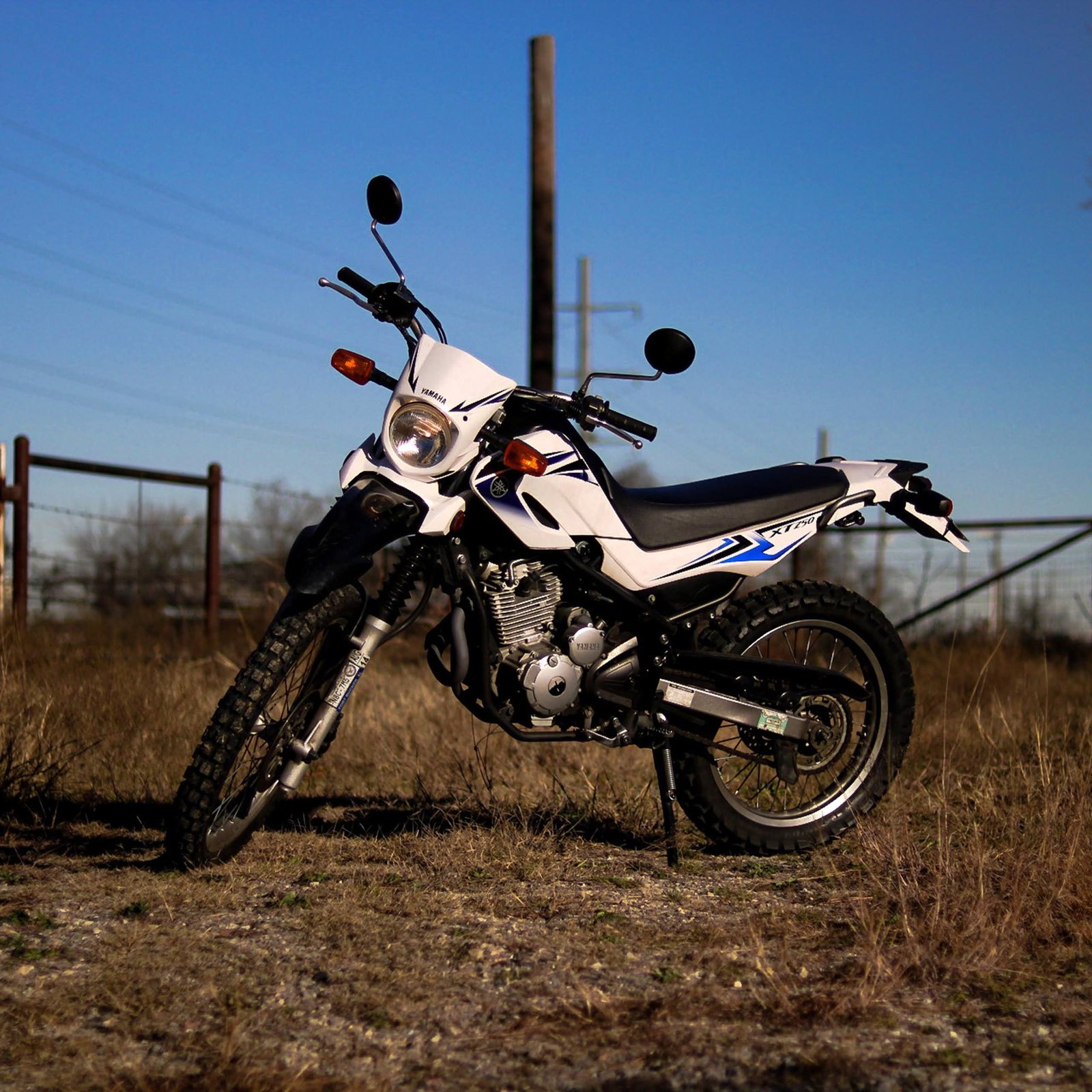

The Yamaha TW200 is a distinctive dual-sport motorcycle known for its wide tires, approachable riding character, simple design, and ability to handle a variety of riding environments. Whether you are a beginner looking for a manageable motorcycle, an experienced rider searching for a lightweight trail companion, or someone interested in a practical machine for everyday transportation, the Yamaha TW200 is a motorcycle worth understanding. Its unusual appearance and straightforward engineering have helped it develop a recognizable identity among small-displacement motorcycles, particularly for riders who appreciate simplicity and versatility over outright speed.
In this comprehensive guide, we will explore the Yamaha TW200’s specifications, engine performance, comfort, off-road capabilities, fuel economy considerations, maintenance, advantages, limitations, and used-bike buying advice. You will also find SEO-friendly title ideas, keyword explanations, a detailed article structure, and frequently asked questions to help you create informative content for readers researching this popular Yamaha motorcycle.
1. SEO-friendly title ideas for Yamaha TW200
Here are ten title options designed to target different search intents, including specifications, reviews, beginner riders, off-road performance, ownership, and buying advice.
1. Yamaha TW200: Complete Review, Specs, Features, and Buying Guide
Main keyword: Yamaha TW200
2. Yamaha TW200 Review: Is This Lightweight Dual-Sport Motorcycle Right for You?
Keywords: Yamaha TW200 review, lightweight dual-sport motorcycle
3. Yamaha TW200 Specifications: Engine, Weight, Seat Height, and Performance
Keywords: Yamaha TW200 specifications, Yamaha TW200 seat height
4. Yamaha TW200 Off-Road Review: How Its Fat Tires Handle Trails and Sand
Keywords: Yamaha TW200 off-road, Yamaha TW200 fat tires
5. Yamaha TW200 for Beginners: Comfort, Handling, and Everyday Riding
Keywords: Yamaha TW200 for beginners, easy-to-ride motorcycle
6. Yamaha TW200 Price and Buying Guide: New and Used Motorcycle Tips
Keywords: Yamaha TW200 price, used Yamaha TW200
7. Yamaha TW200 Fuel Economy, Range, and Everyday Practicality
Keywords: Yamaha TW200 fuel economy, Yamaha TW200 range
8. Yamaha TW200 Maintenance Guide: Reliability, Servicing, and Ownership
Keywords: Yamaha TW200 maintenance, Yamaha TW200 reliability
9. Yamaha TW200 vs Other Dual-Sport Motorcycles: What Makes It Different?
Keywords: Yamaha TW200 comparison, dual-sport motorcycles
10. Yamaha TW200 Adventure Motorcycle Guide: Features, Benefits, and Limitations
Keywords: Yamaha TW200 adventure motorcycle, Yamaha TW200 features
Recommended article title
Yamaha TW200: Complete Review, Specifications, Features, and Buying Guide
This title places the main keyword at the beginning while also communicating the article’s purpose to readers looking for specifications, practical riding information, and purchase guidance.
2. Keywords from the titles and what they mean
|
Keyword |
Explanation and search intent |
|---|---|
|
Yamaha TW200 |
The primary keyword for readers researching the motorcycle. |
|
Yamaha TW200 review |
Targets people who want to understand the riding experience and ownership characteristics. |
|
Yamaha TW200 specifications |
Appeals to readers comparing engine size, dimensions, weight, and equipment. |
|
Yamaha TW200 seat height |
Helps riders determine whether the motorcycle’s height may suit their needs. |
|
Yamaha TW200 off-road |
Targets people interested in trails, gravel, sand, and unpaved riding. |
|
Yamaha TW200 for beginners |
Addresses new riders researching an approachable motorcycle. |
|
Yamaha TW200 price |
Targets prospective buyers researching purchase costs. |
|
Used Yamaha TW200 |
Reaches shoppers considering a pre-owned motorcycle. |
|
Yamaha TW200 fuel economy |
Appeals to riders interested in fuel consumption and running costs. |
|
Yamaha TW200 reliability |
Targets owners and shoppers researching durability and maintenance. |
|
Yamaha TW200 comparison |
Helps readers compare the motorcycle with other dual-sport options. |
|
Yamaha TW200 adventure motorcycle |
Reaches people exploring lightweight adventure and recreational riding. |
Supporting long-tail keywords
-
Yamaha TW200 engine specifications
-
Yamaha TW200 top speed and highway riding
-
Yamaha TW200 tire size
-
Yamaha TW200 ground clearance
-
Yamaha TW200 maintenance schedule
-
Yamaha TW200 pros and cons
-
Yamaha TW200 fuel tank capacity
-
Yamaha TW200 beginner motorcycle review
-
Yamaha TW200 used buying checklist
-
Yamaha TW200 street and trail performance
Use these phrases naturally in the article’s headings, paragraphs, image descriptions, and FAQ answers. Avoid repeating the same keyword excessively; clear, useful information is more valuable than awkward keyword stuffing.
3. Full-length SEO article
Primary keyword: Yamaha TW200 | Article type: Motorcycle review and buying guide
Yamaha TW200: Complete Review, Specifications, Features, and Buying Guide
Introduction
The Yamaha TW200 is a motorcycle that stands apart from many modern dual-sport machines because of its distinctive proportions, oversized tires, relatively low seat height, and uncomplicated mechanical design. Rather than focusing on high horsepower, aggressive acceleration, or advanced electronic riding systems, the TW200 emphasizes approachable performance, manageable handling, and the ability to travel on paved roads and explore suitable off-road routes. Its appearance is immediately recognizable, and its combination of a compact engine and unusually wide tires gives it a character that appeals to riders who want something different from a conventional street motorcycle or full-size dirt bike. For people researching a first motorcycle, a recreational trail machine, or a simple bike for exploring backroads, the Yamaha TW200 offers an interesting balance of accessibility and versatility.
One of the most important things to understand about the Yamaha TW200 is that it is designed around a particular kind of riding experience. It is not intended to compete with powerful adventure motorcycles or specialized competition dirt bikes. Instead, it is suited to moderate speeds, relaxed journeys, everyday transportation, and recreational exploration where traction, control, and confidence can matter more than acceleration. Its modest engine output and relatively compact dimensions make it less intimidating than many larger motorcycles, while its wide tires help distinguish its handling on loose surfaces. In this guide, we will examine its specifications, performance, comfort, off-road behavior, ownership considerations, and the factors buyers should consider before choosing one.
What is the Yamaha TW200?


The Yamaha TW200 is a small-displacement dual-sport motorcycle that combines road-going equipment with a design intended for recreational use on unpaved terrain. The TW name is commonly associated with the model’s Trail Way identity, and the motorcycle has been part of Yamaha’s lineup since 1987. Its enduring design centers on a simple four-stroke single-cylinder engine, a five-speed manual transmission, conventional suspension, and distinctive wide tires. These characteristics make it quite different from many contemporary motorcycles that emphasize sophisticated electronics, liquid cooling, or high-performance suspension components. The TW200 instead offers a relatively straightforward ownership experience for riders who appreciate mechanical simplicity and a relaxed pace.

The motorcycle’s versatility is one of its defining characteristics. A rider can use it for short trips around town, explore gravel roads, travel along suitable forest routes, or enjoy casual trail riding where local regulations permit motorcycles. Its road equipment makes it more flexible than a dirt-only motorcycle, but its relatively low power and modest suspension travel mean it should not be mistaken for a high-speed touring bike or an aggressive enduro machine. The TW200 is best understood as a practical recreational motorcycle that offers a broad range of uses within its performance limits.
Yamaha TW200 specifications
The following specifications are based on Yamaha’s published 2025 US model information, which provides a useful reference for understanding the motorcycle’s configuration. Specifications, equipment, and prices can differ by model year and market, so buyers should verify the details for the particular motorcycle they intend to purchase.


TECHNICAL SPECIFICATIONS
Engine
196cc air-cooled, SOHC, four-stroke single-cylinder, two valves
Fuel delivery
Mikuni 28 mm carburetor
Transmission
Five-speed constant-mesh manual
Final drive
Chain
Starting system
Electric start
Front suspension
Telescopic fork; 6.3 inches of travel
Rear suspension
Single shock; 5.9 inches of travel
Front brake
220 mm disc
Rear brake
110 mm drum
Front tire
130/80-18
Rear tire
180/80-14
Seat height
31.1 inches
Wheelbase
52.2 inches
Ground clearance
10.4 inches
Fuel tank capacity
1.8 US gallons
Wet weight
278 pounds
Manufacturer-estimated fuel economy
78 mpg
Source: Yamaha Motorsports specifications. Fuel economy is an estimate, not a guarantee of real-world consumption.
These specifications explain much of the TW200’s character. Its 196cc engine is relatively small compared with those found in larger dual-sport motorcycles, and the five-speed gearbox is designed to support practical riding rather than high-speed performance. The 31.1-inch seat height can make mounting and stopping more manageable for many riders, although comfort and reach still depend on individual body proportions. The 278-pound wet weight also deserves attention: while the motorcycle is compact, it is not as light as some dedicated off-road machines, particularly when a rider needs to lift it after a fall. Its relatively generous ground clearance and wide tires contribute to its suitability for moderate trail exploration.
Engine performance and riding experience
The Yamaha TW200 uses a 196cc, air-cooled, four-stroke, single-cylinder engine with a single overhead camshaft and two valves. Fuel is delivered through a carburetor, and power reaches the rear wheel through a five-speed manual transmission and chain final drive. This configuration reflects the motorcycle’s emphasis on straightforward, usable performance rather than outright speed. The engine is intended to provide manageable power for everyday riding and moderate off-road exploration, allowing riders to concentrate on throttle control, balance, and route selection. Its relatively uncomplicated layout may also appeal to owners who prefer conventional motorcycle engineering over a more electronically complex package.
On the road, the TW200 is most comfortable when ridden at a pace appropriate for its small engine and dual-purpose design. It can be useful for neighborhood transportation, short commutes, and relaxed journeys along roads where traffic speeds are suitable. Riders should not expect the acceleration or passing performance of a larger motorcycle, especially when traveling uphill, carrying a passenger, or riding into strong headwinds. The five-speed transmission provides flexibility for different riding conditions, but the bike’s overall performance remains modest. For prospective buyers, the important question is not whether the TW200 can match a much larger machine, but whether its relaxed performance and distinctive handling fit the kind of riding they actually plan to do.
Fat tires and off-road capability


The Yamaha TW200’s most recognizable feature is its unusually wide tire setup, particularly the large rear tire. Yamaha lists a 130/80-18 front tire and a 180/80-14 rear tire for the 2025 model. These dimensions help give the motorcycle its distinctive appearance and contribute to its behavior on loose surfaces. The wide tires can provide a reassuring contact patch and help the bike find traction in certain conditions, including sand, gravel, and relatively soft terrain. Motorcycle reviews have highlighted the way the tires can make loose-surface riding more approachable, particularly for riders who are still developing their off-road confidence.
However, wide tires do not make the TW200 unstoppable. Traction depends on the surface, tire condition, tire pressure, rider technique, and the route itself. Deep mud, steep technical obstacles, sharp rocks, and difficult terrain can still challenge the motorcycle and its rider. Its modest suspension travel and conventional components also make it more appropriate for moderate trail speeds than aggressive jumping or competition-style riding. Buyers who primarily want to ride difficult enduro trails or travel quickly across rough terrain should carefully compare the TW200 with motorcycles designed specifically for those activities. For recreational exploration, maintained dirt roads, and suitable trails, its unusual tire setup can be part of a very enjoyable riding experience.
Comfort, seat height, and handling
The TW200’s 31.1-inch seat height is one of its notable practical features. A lower seat can help some riders place their feet on the ground more easily when stopping, maneuvering in parking areas, or navigating uneven surfaces at low speed. This can be particularly reassuring for newer motorcyclists who are still becoming familiar with balance and clutch control. The motorcycle’s compact dimensions and relatively low center of gravity also contribute to its approachable feel, although a rider’s individual height, inseam, strength, and experience remain important when assessing whether it is a comfortable fit. Sitting on the bike before purchasing it is a useful way to judge reach to the ground, handlebar position, and overall riding posture.
Seat comfort is a separate consideration from seat height. The TW200 is well suited to shorter recreational rides and everyday journeys, but a rider planning to spend several hours in the saddle should assess the seat shape, vibration, wind exposure, and riding position. Its suspension provides approximately 6.3 inches of front travel and 5.9 inches at the rear, which is useful for a small dual-sport motorcycle but limited compared with some dedicated off-road models. Reviews have noted that the suspension can feel harsh over rough surfaces when speeds increase. This makes it sensible to match the bike’s pace to the road conditions rather than expecting it to absorb every bump comfortably.
Is the Yamaha TW200 good for beginners?
The Yamaha TW200 can be a reasonable option for some new riders because it combines a relatively small engine, an approachable seat height, and a design suited to manageable riding speeds. Learning to ride involves developing smooth throttle control, clutch coordination, braking habits, situational awareness, and balance. A motorcycle that feels physically manageable can help a beginner concentrate on those skills, particularly when practicing in a controlled environment. The TW200’s uncomplicated character and distinctive tires may also appeal to people who want to learn on a machine that can be used for both paved-road riding and recreational trail exploration.
Nevertheless, no motorcycle is automatically suitable for every beginner. A new rider should consider the bike’s weight, riding position, brake feel, engine response, and the type of roads they intend to use. The TW200’s modest power can be a limitation for riders who regularly need to travel at high traffic speeds, and its tires and suspension have a different feel from those of a conventional street motorcycle. Proper training, protective equipment, a valid license, and practice in an appropriate setting remain essential. A test ride, where legally and practically available, can help a beginner determine whether the TW200 feels comfortable and controllable.
Yamaha TW200 price and buying considerations
The price of a Yamaha TW200 depends on its model year, condition, location, dealer charges, and whether the motorcycle is new or used. As a reference, Yamaha’s US website lists the 2026 TW200 with a starting MSRP of $4,999, plus a stated $400 destination charge. These are US-market figures and should not be treated as a price quote for another country. Taxes, registration, dealer preparation, shipping, import duties, and local availability may affect the final purchase cost.


2026 Yamaha TW200
$4,999
Starting MSRP; $400 destination charge listed separately.
Verify the latest dealer quote, inventory, and applicable fees before purchasing.
When considering a used Yamaha TW200, buyers should focus on the motorcycle’s actual condition rather than relying only on its model year or asking price. Check for evidence of regular servicing, engine oil leaks, unusual engine noises, starting difficulties, damaged controls, worn tires, loose chain adjustment, and signs of corrosion. Inspect the frame and suspension for damage, and check that the brakes operate correctly. Because the TW200 uses a carburetor, it is also sensible to ask about storage history and whether the motorcycle has been sitting unused for a long period. A pre-purchase inspection by a qualified motorcycle mechanic can help identify problems that are difficult for an inexperienced buyer to recognize.
Buyers should also confirm that the motorcycle’s registration documents, vehicle identification number, and ownership records are consistent and appropriate for the jurisdiction where it will be registered. If purchasing an imported motorcycle, verify its road-registration eligibility, parts availability, and any relevant import or compliance requirements before paying. These checks are particularly important when the motorcycle is being purchased from a private seller or through an unfamiliar marketplace.
Fuel economy, fuel tank, and riding range
Fuel economy is an important consideration for anyone planning to use the Yamaha TW200 for commuting or recreational travel. Yamaha lists estimated fuel economy of 78 miles per US gallon and a fuel tank capacity of 1.8 US gallons for the 2025 model. Those figures provide a useful manufacturer reference, but actual consumption can vary depending on speed, rider weight, terrain, traffic, maintenance, tire pressure, and riding style. A motorcycle traveling slowly along suitable roads may consume fuel differently from one being ridden continuously at higher speeds or over challenging terrain.
For practical planning, riders should avoid treating the manufacturer’s fuel-economy estimate as a guaranteed range. The theoretical calculation using 78 mpg and a full 1.8-gallon tank would be approximately 140 miles, but that is not a recommended distance to travel without refueling. Real-world results vary, and riders should preserve a fuel reserve rather than deliberately running the tank empty. On unfamiliar routes, especially remote trails, it is sensible to identify fuel stops in advance, carry appropriate emergency supplies, and leave a comfortable margin for detours or unexpected delays.
Maintenance and reliability considerations
The Yamaha TW200 has a relatively conventional mechanical layout, with an air-cooled engine, carburetor, chain drive, and straightforward suspension components. This simplicity may appeal to owners who want to understand their motorcycle’s basic systems and keep up with routine servicing. However, simple engineering does not mean maintenance can be ignored. Engine oil, air filtration, spark plug condition, valve clearance where specified, chain adjustment and lubrication, tire condition, brakes, cables, lights, and fasteners all deserve attention according to the manufacturer’s maintenance schedule. Regular inspections are especially important when the motorcycle is frequently used on dusty roads or rough trails, where dirt and vibration can place additional demands on components.
Long-term reliability depends on the condition of the individual motorcycle and how it has been maintained, stored, and ridden. A well-cared-for bike may provide years of recreational use, but no model should be assumed to be trouble-free simply because its design is relatively uncomplicated. Buyers should request maintenance records when available and ask about repairs, accidents, modifications, storage, and any recurring problems. For an older TW200, inspecting rubber components, fuel-system condition, electrical connections, bearings, suspension seals, and the chain and sprockets can be particularly useful. When in doubt, a qualified mechanic can assess whether the bike needs immediate work or whether its condition is consistent with the seller’s description.
Yamaha TW200 advantages and limitations
The Yamaha TW200’s suitability depends on the rider’s priorities. Its characteristics that are useful for low-speed recreational exploration may be less suitable for high-speed road travel, while its compact engine and manageable dimensions may be appealing to someone who does not need the performance of a larger motorcycle.
Potential advantages
-
Distinctive wide tires that can be useful on suitable loose surfaces.
-
Relatively low 31.1-inch seat height compared with many larger dual-sport motorcycles.
-
Small-displacement engine with modest, approachable performance.
-
Dual-purpose design for suitable paved roads and recreational off-road routes.
-
Conventional mechanical components and a recognizable, long-running model design.
-
Compact proportions that can make low-speed maneuvering approachable for many riders.
Potential limitations
-
Modest engine performance compared with larger road and adventure motorcycles.
-
Limited suitability for sustained high-speed highway travel, depending on traffic and conditions.
-
Relatively short suspension travel compared with specialized off-road motorcycles.
-
Carbureted fuel delivery rather than modern electronic fuel injection.
-
Small fuel tank that requires sensible refueling plans on longer journeys.
-
Its unusual tire dimensions and riding characteristics may not suit every rider or every type of terrain.
These characteristics should be considered together rather than in isolation. For instance, the modest engine can be an advantage for a rider who wants relaxed trail exploration, but a limitation for someone who needs frequent high-speed passing. Similarly, the wide tires can be useful on some loose surfaces, but they do not eliminate the need for suitable riding technique, good judgment, and appropriate protective gear. The most useful way to evaluate the TW200 is to compare its capabilities with the actual conditions in which it will be ridden.
Yamaha TW200 vs. other dual-sport motorcycles
The dual-sport category includes motorcycles with a wide range of engine sizes, weights, suspension designs, and intended uses. The Yamaha TW200 occupies a distinctive part of that category because it combines a relatively small engine with wide tires and a low seat. Other dual-sport models may offer larger engines, different wheel sizes, more suspension travel, fuel injection, or other equipment, but those differences do not automatically make one motorcycle appropriate for every rider. The right comparison depends on whether the buyer prioritizes low-speed control, highway performance, difficult off-road riding, seat height, purchase cost, or ease of maintenance.
When comparing the TW200 with another motorcycle, begin by listing the conditions in which it will be used most frequently. Someone riding mainly on city streets and maintained gravel roads may have different requirements from someone planning long-distance highway trips or challenging single-track trails. Compare seat height and wet weight together, since a low seat does not necessarily mean a motorcycle is easy to lift. Examine tire availability, suspension travel, fuel capacity, braking equipment, and service requirements, and try to arrange a test ride when possible. This approach provides a more meaningful comparison than choosing a motorcycle based on engine size or appearance alone.
Who should consider the Yamaha TW200?
The Yamaha TW200 may be worth considering for riders who value a distinctive motorcycle that can be used for everyday trips and relaxed recreational exploration. It may appeal to beginners seeking manageable performance, experienced motorcyclists who want a smaller companion bike, and riders who enjoy discovering gravel roads and suitable trails without needing a high-powered adventure motorcycle. Its approachable proportions and unconventional tires give it a recognizable personality, while its basic mechanical layout may appeal to people who prefer a relatively straightforward machine.
It may be less suitable for riders who routinely need strong highway acceleration, carry heavy luggage over long distances, or expect competition-level suspension performance on demanding trails. Anyone planning to ride with a passenger frequently should also assess available power, comfort, load capacity, and the specific model’s owner documentation. Before buying, consider the full cost of ownership, including safety equipment, maintenance, registration, insurance, fuel, and any repairs or accessories needed for the intended use. Matching the motorcycle to real riding requirements is more important than buying it solely because its design is unusual or its reputation is appealing.
Conclusion
The Yamaha TW200 remains a distinctive dual-sport motorcycle built around simplicity, manageable performance, and a wide-tire design that separates it from many conventional motorcycles. Its 196cc air-cooled engine, five-speed transmission, 31.1-inch seat height, and combination of road and trail equipment make it an option for riders interested in everyday transportation and relaxed off-road exploration. The wide tires can be useful on suitable loose surfaces, while the relatively modest engine and conventional suspension establish clear limits on high-speed and aggressive riding. Understanding those strengths and limitations helps prospective owners decide whether the motorcycle fits their needs.
For anyone researching a Yamaha TW200, the most important next steps are to compare specifications for the exact model year, inspect the motorcycle’s condition, consider the type of riding it will be used for, and verify local pricing and registration requirements. A careful evaluation of comfort, performance, maintenance, and total ownership cost can help buyers make an informed decision. The TW200 is not designed to be everything to every rider, but for someone whose priorities align with its distinctive character, it can offer a practical and enjoyable way to experience both paved roads and suitable trails.
4. Frequently asked questions about the Yamaha TW200
1. What engine does the Yamaha TW200 have?
The Yamaha TW200 uses a 196cc, air-cooled, four-stroke, single-cylinder engine with a single overhead camshaft and two valves. It uses carbureted fuel delivery and a five-speed manual transmission.
2. Is the Yamaha TW200 a good motorcycle for beginners?
It can be a suitable option for some beginners because of its relatively low seat height, modest engine performance, and approachable riding character. However, new riders should consider their height, strength, intended road speeds, and training needs before choosing it.
3. What is the seat height of the Yamaha TW200?
The 2025 Yamaha TW200 has a published seat height of 31.1 inches, or approximately 790 mm.
4. How much does the Yamaha TW200 weigh?
Yamaha lists the 2025 model’s wet weight at 278 pounds. Wet weight includes the motorcycle’s standard equipment and operating fluids, including a full fuel tank.
5. What is the fuel economy of the Yamaha TW200?
Yamaha’s published estimate for the 2025 model is 78 mpg. Actual fuel economy depends on riding conditions, speed, maintenance, and other factors.
6. Can the Yamaha TW200 be used on highways?
The TW200 is road-equipped, but its modest engine performance makes sustained high-speed highway travel less suitable than it is on many larger motorcycles. Riders should consider local speed limits, traffic conditions, and the bike’s available acceleration before using it on fast roads.
7. Is the Yamaha TW200 good for off-road riding?
It can be useful for recreational trail riding, gravel roads, and suitable loose surfaces. Its wide tires are a defining feature, but its suspension and engine are not designed for every demanding off-road situation.
8. What is the fuel tank capacity of the Yamaha TW200?
The 2025 model has a listed fuel capacity of 1.8 US gallons, approximately 6.8 liters.
9. How much does a 2026 Yamaha TW200 cost?
Yamaha’s US website lists a starting MSRP of $4,999 for the 2026 model, with a $400 destination charge stated separately. Dealer pricing, taxes, and other costs may apply.
10. Is the Yamaha TW200 fuel-injected?
No. The published specifications identify a Mikuni 28 mm carburetor for the 2025 model.
11. What tires does the Yamaha TW200 use?
The 2025 model uses a 130/80-18 front tire and a 180/80-14 rear tire. The unusually wide rear tire contributes to the motorcycle’s distinctive appearance and handling characteristics.
12. Is the Yamaha TW200 suitable for long-distance touring?
It can be used for relaxed journeys when the route and riding conditions suit its capabilities. However, its modest engine, small fuel tank, and limited high-speed performance may make it less suitable for riders who prioritize long highway distances, heavy luggage, and rapid travel.