
Blog
Monkey Orchid: Everything You Need to Know About the Monkey Face Orchid


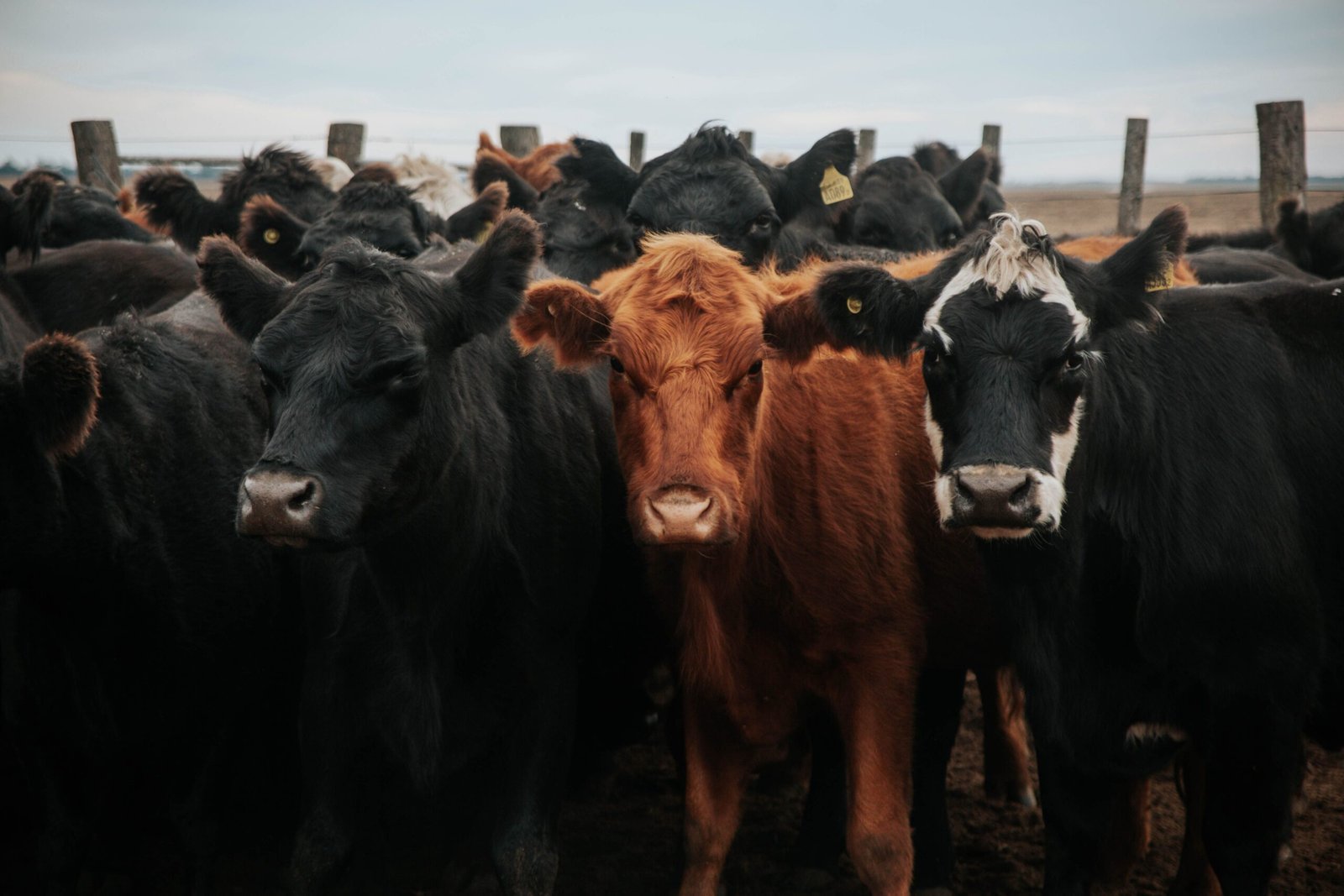
The Red Angus cow is a well-known beef cattle type recognized for its distinctive red coat, strong body, and valuable role in modern cattle farming. Farmers and livestock enthusiasts often consider Red Angus cattle because of their reputation for useful maternal characteristics, efficient beef production, and adaptability to different management systems. Originally developed from Angus cattle in Scotland, the breed has become established in many countries, where it is raised for breeding, commercial beef production, and the improvement of cattle herds. Although Red Angus cattle share their ancestry with Black Angus cattle, their red coloration makes them visually distinctive and attractive to many cattle breeders. Understanding the characteristics of a Red Angus cow, including her appearance, temperament, nutritional requirements, reproductive performance, and potential benefits, can help farmers make informed decisions when selecting animals for their operations.
Whether someone is considering purchasing a Red Angus cow for a small family farm or developing a larger commercial beef herd, learning about the breed’s strengths and management requirements is essential. A productive cattle operation depends on more than choosing an attractive breed; it also requires suitable pasture, balanced nutrition, reliable veterinary care, appropriate breeding decisions, and effective herd management. Red Angus cattle can perform well under suitable conditions, but their success depends on the quality of individual animals and the environment in which they are raised. This comprehensive guide explains what makes the Red Angus cow distinctive, how the breed is used in beef production, and what farmers should know before investing in these animals.
What Is a Red Angus Cow?
A Red Angus cow is a female bovine belonging to the Red Angus population of the Angus breed, a group of beef cattle developed from Scottish Angus ancestry. Angus cattle were historically associated with the northeastern Scottish counties of Aberdeen and Angus, where breeders developed animals valued for their useful beef-producing qualities. Red-coated Angus cattle existed within the broader Angus population, although the red and black color variations later became more distinctly organized in modern breeding programs. Today, Red Angus cattle are recognized as a separate color-based breeding population in many cattle registries, with their own breeding associations and selection programs. They are raised primarily for beef production, and females are often selected for their ability to produce healthy calves, maintain suitable body condition, and remain productive within a well-managed herd.
The term Red Angus cow specifically refers to a female animal, while Red Angus bull refers to a mature male used for breeding. A young female that has not yet produced her first calf is generally called a heifer, and a young Red Angus animal may be referred to as a calf. Understanding these terms is useful when reading cattle advertisements, evaluating breeding stock, or discussing livestock management with farmers. Red Angus cattle are not simply any red-colored beef cattle; their breed identity is established through ancestry, breeding records, and applicable registration requirements. For buyers, checking an animal’s identification, pedigree, health history, and breeding information is more reliable than judging its breed solely by its coat color.
Physical Characteristics of Red Angus Cattle
Red coat and distinctive appearance
One of the most recognizable characteristics of a Red Angus cow is her solid red coat, which can range from a lighter reddish-brown shade to a deeper, darker red. The coat is generally uniform, although individual animals may vary in color intensity and appearance. Red Angus cattle are naturally polled, meaning they are genetically hornless, and this characteristic is an important feature of the breed. Their head is typically neat and relatively refined, while the body is broad and muscular, reflecting their development as beef cattle. Many animals have a deep body, a reasonably wide back, and a well-developed hindquarter, features that contribute to their usefulness in beef production. However, individual animals differ considerably, and breeders evaluate more than appearance when deciding which cattle to retain for breeding.
Body size and weight
Red Angus cows are generally medium-sized beef cattle, although mature weight varies according to genetics, nutrition, age, and management. A mature cow may commonly weigh around 1,200 to 1,500 pounds, or approximately 545 to 680 kilograms, but this is a broad illustrative range rather than a breed-wide standard. Some animals may be smaller or larger depending on their breeding lines and production environment. Red Angus bulls are typically heavier than cows, while calves and heifers have different weight expectations according to age and development. For farmers, the ideal body size depends on the available feed resources, pasture conditions, breeding goals, and the size of calves the cow is expected to deliver. A larger cow is not automatically more profitable, particularly when maintaining her requires substantially more feed.
Temperament and behavior
Red Angus cattle are often described as having a manageable temperament, although behavior varies between individual animals and herds. Calm cattle can make routine activities such as feeding, weighing, health checks, and moving between pastures easier and safer. Good temperament is particularly valuable in a beef operation because animals that are accustomed to calm, consistent handling may be easier to manage during stressful situations. Nevertheless, even a normally quiet cow can become protective when she has a young calf, and bulls may be dangerous regardless of their apparent friendliness. Farmers should use appropriate cattle-handling facilities, maintain safe distances when necessary, and avoid treating any large animal as completely predictable. Selecting breeding animals for calm behavior, sound structure, and good maternal performance can improve the practical manageability of a herd over time.
History and Development of the Red Angus Breed
The history of Red Angus cattle is closely connected to the development of Angus cattle in Scotland. Over generations, Angus breeders selected animals for desirable beef characteristics, including body structure, productive performance, and suitability for farming. Red-coated animals occurred within the wider Angus population, but coat color became an important point of distinction as organized breeding programs developed. In North America, Red Angus cattle gained recognition through dedicated breeding and registration efforts, and the population gradually became established as a distinct red-coated Angus breeding group. The development of organized breed associations helped establish standards for identifying animals, maintaining pedigrees, and encouraging consistent breeding practices.
The modern Red Angus breed reflects decades of selection for a combination of physical traits and practical production characteristics. Breeders have worked to improve qualities such as growth, maternal ability, fertility, carcass performance, and adaptability. Today, Red Angus cattle are raised in a variety of beef production systems, from pasture-based cow-calf operations to herds that supply animals for finishing programs. Their popularity is connected not only to their appearance but also to the availability of breeding records, performance information, and established markets in regions where the breed is well known. As with other cattle breeds, continued improvement depends on responsible selection and careful management rather than assuming that every animal possesses all the characteristics associated with the breed.
Why Red Angus Cows Are Popular Among Farmers
Red Angus cows are valued by many beef producers because they can contribute useful maternal characteristics to a commercial herd. A well-selected cow should be able to become pregnant under an appropriate breeding program, maintain adequate body condition, give birth to a healthy calf, and provide sufficient milk while raising that calf. These qualities are central to a productive cow-calf operation, where the number of healthy calves successfully raised each year has a major influence on farm performance. Red Angus breeding programs commonly emphasize maternal traits alongside growth and carcass characteristics, allowing farmers to select animals according to the requirements of their particular operation. However, a cow’s individual performance, genetic background, nutrition, and reproductive history are more important than breed name alone when evaluating her suitability for a farm.
Another reason farmers consider Red Angus cattle is their potential usefulness in crossbreeding programs. When Red Angus animals are crossed with other suitable beef cattle, the resulting calves may benefit from hybrid vigor, also known as heterosis, depending on the breeds and traits involved. Crossbreeding can be used to combine maternal characteristics from one breed with growth, carcass, or environmental adaptation traits from another. Red Angus genetics may also be incorporated into commercial herds where coat color, polled status, or particular performance characteristics are important selection goals. The best breeding strategy depends on the producer’s market, climate, feed supply, replacement-heifer requirements, and long-term objectives. Farmers should evaluate the strengths and limitations of the actual cattle available rather than relying on broad claims about any breed.
Red Angus Cow Benefits for Beef Production
Maternal performance and calf production
One important reason for raising Red Angus cows is their potential to serve as productive mothers in a beef cattle herd. A good breeding female should have sound feet and legs, a functional udder, adequate body condition, and the ability to raise a healthy calf. Maternal performance is influenced by genetics, nutrition, breeding management, health, and environmental conditions, so farmers should evaluate cows using their actual production records whenever possible. Calving ease is another important consideration, particularly for producers using young heifers or breeding animals of different sizes. Selecting suitable bulls and monitoring cow condition can help reduce calving difficulties, although no breeding decision can eliminate every risk. A productive Red Angus cow is therefore one that combines suitable genetics with reliable management throughout the breeding and calving cycle.
Beef quality and carcass characteristics
Red Angus cattle are raised for beef production, and many breeding programs place emphasis on carcass quality, muscle development, and efficient growth. Angus cattle are widely associated with beef quality, but the actual eating quality of beef depends on numerous factors, including genetics, animal age, nutrition, handling, processing, and cooking. Red Angus animals may produce beef with desirable marbling when their genetics and management support that outcome, but marbling levels are not guaranteed simply because an animal is red or belongs to the Angus breed. Producers supplying particular beef markets should understand the grading standards and specifications used by their buyers. Selecting breeding stock with relevant performance and carcass information can help align a herd with its intended market while maintaining other essential traits such as fertility and structural soundness.
Adaptability to different farming systems
Red Angus cattle are raised in a variety of production environments, including pasture-based systems and operations that use supplemental feeding or feedlot finishing. Their suitability for a particular location depends on factors such as climate, forage availability, water supply, parasite pressure, and management quality. In areas with seasonal rainfall, farmers may need to plan grazing rotations and conserve hay or other feed for periods when pasture growth declines. In hotter climates, access to shade, clean water, and appropriate handling practices becomes especially important. Red Angus cattle should not be assumed to thrive equally well in every environment, and animals from breeding lines selected for similar conditions may be more suitable for a particular farm. Choosing cattle with appropriate adaptation and providing adequate resources are essential for maintaining productivity and animal welfare.
Red Angus Cow Feeding and Nutrition
Proper feeding is essential for maintaining the health, reproductive performance, and productivity of a Red Angus cow. Her nutritional requirements change according to age, body weight, pregnancy status, milk production, activity level, and the quality of available forage. A mature cow in early pregnancy may require a different ration from a cow that is nursing a rapidly growing calf or preparing for calving. Good pasture or suitable conserved forage can provide much of the daily nutrition in many beef production systems, but the quality and quantity of that forage must be monitored. When pasture is insufficient, farmers may need to provide hay, silage, or other appropriate supplements. The objective is to meet nutritional needs without allowing the cow to become excessively thin or unnecessarily overconditioned.
A balanced cattle diet must provide adequate energy, protein, fiber, minerals, and vitamins. Energy supports body maintenance, pregnancy, milk production, and growth, while protein is important for tissue development and many normal bodily functions. Minerals such as calcium, phosphorus, magnesium, and salt play important roles in animal health, although the correct amounts depend on the total diet and local conditions. Farmers should avoid assuming that one mineral mixture is appropriate for every herd, particularly where forage mineral levels vary substantially. A livestock nutritionist or veterinarian can help assess feed quality and identify supplementation needs. Clean drinking water should always be available, and feeding practices should be adjusted gradually to avoid unnecessary digestive disturbances. Sudden changes in diet, especially involving highly concentrated feeds, can create serious health problems.
Feeding management throughout the year
Seasonal feeding plans are particularly important in regions where pasture growth changes significantly throughout the year. During periods of abundant grass, grazing management can help maintain forage quality and reduce waste, while dry seasons or cold weather may require stored feed or additional supplementation. Pregnant cows need particular attention because inadequate nutrition before calving can affect body condition, calf health, and subsequent reproductive performance. After calving, milk production increases nutritional demand, making the availability of good-quality forage especially valuable. Farmers should monitor body condition regularly rather than relying only on visual impressions of weight. A practical feeding program also considers feed storage, spoilage prevention, access to troughs, and the cost of purchased supplements. Careful planning helps maintain a productive herd while making efficient use of available farm resources.
Breeding and Reproduction in Red Angus Cows
Breeding management is a major part of maintaining a successful Red Angus herd. A female should reach an appropriate level of physical development before being bred, and her readiness depends on age, weight, health, and overall condition rather than age alone. The breeding season should be planned around the farm’s calving schedule, available feed resources, labor, and marketing objectives. Producers may use natural service with a suitable bull or artificial insemination, depending on herd size, facilities, expertise, and breeding goals. In either system, selecting genetically suitable breeding animals is essential. Important considerations include fertility, calving ease, maternal performance, structural soundness, and genetic diversity. A bull’s appearance alone is not enough to establish his breeding value, and performance records can provide useful information for making better selection decisions.
Red Angus cows typically have a gestation period of approximately nine months, similar to other cattle, although the exact duration varies. During pregnancy, farmers should provide suitable nutrition, monitor body condition, and arrange appropriate health care. Calving facilities should be clean, safe, and suitable for observation without creating unnecessary stress. Most cows give birth without assistance, but producers need to recognize signs of difficulty and contact a veterinarian when intervention is necessary. After calving, the cow and calf should be monitored to confirm that the calf is breathing normally, receives colostrum, and can nurse effectively. The cow’s udder, appetite, behavior, and general condition should also be checked. Reliable breeding and calving records help identify productive females and make future herd-management decisions more effective.
Red Angus Cow Care and Health Management
A well-managed Red Angus cow needs regular observation, appropriate veterinary care, and a safe living environment. Daily checks allow farmers to identify changes in appetite, movement, behavior, body condition, or calf activity before problems become severe. Cattle should have access to clean water, adequate feed, suitable shelter or shade, and enough space to move comfortably. Fencing must be strong enough to contain the animals, while handling facilities should be designed to reduce stress and protect both livestock and workers. Regular maintenance of these facilities is particularly important when cattle need to be vaccinated, treated, weighed, or moved between pastures. Good husbandry practices can reduce avoidable injuries and make routine management more efficient.
Preventive health care should be developed with a veterinarian who understands the local disease risks and management system. Depending on the region, a herd health plan may include vaccinations, parasite control, reproductive examinations, and testing for relevant infectious diseases. The appropriate schedule varies by country, age, pregnancy status, and local veterinary recommendations. Farmers should keep records of treatments, vaccination dates, breeding events, calving outcomes, and any illnesses. These records make it easier to monitor herd performance and identify recurring problems. New cattle should be assessed before being introduced to an established herd, and sick animals may need to be separated according to veterinary advice. A responsible health program protects animal welfare while supporting the long-term productivity of the farm.
Red Angus Cow vs. Black Angus Cow
Red Angus and Black Angus cattle share Angus ancestry, and both are used extensively in beef production. Their most obvious difference is coat color: Red Angus cattle have red coats, while Black Angus cattle have black coats. Both are naturally polled, and both can be selected for useful beef and maternal characteristics. In many breeding programs, the two populations are evaluated using similar types of performance information, including growth, fertility, calving ease, and carcass traits. However, individual animals can differ substantially, and there is no universal rule that one color group is always more productive or better suited to every farm. The most appropriate choice depends on the particular breeding lines, the farm’s environment, and the producer’s goals.
Feature | Red Angus | Black Angus |
|---|---|---|
Coat color | Red or reddish-brown | Black |
Breed ancestry | Angus | Angus |
Horn status | Naturally polled | Naturally polled |
Main production use | Beef production | Beef production |
Breeding priorities | Fertility, growth, maternal and carcass traits | Fertility, growth, maternal and carcass traits |
For farmers choosing between Red Angus and Black Angus, the most useful approach is to compare individual animals and their breeding information. Relevant factors include the cow’s reproductive history, structural soundness, temperament, health status, and ability to maintain condition in the local environment. Buyers should also consider the availability of suitable bulls, replacement females, and markets for the resulting calves. In some regions, one Angus color population may be more readily available than the other, while in other areas both may be common. Rather than selecting cattle based on coat color alone, producers should prioritize animals that match their management system and offer the best combination of economically important traits.
How to Choose a Red Angus Cow for Your Farm
Purchasing a Red Angus cow is an important decision that should begin with a clear understanding of the farm’s objectives. A producer developing a cow-calf operation may prioritize fertility, maternal ability, soundness, and a manageable mature size, while a breeder focused on registered seedstock may place additional emphasis on pedigree and performance records. Buyers should examine the animal’s physical condition, feet and legs, udder structure, teeth, and general health. For a breeding female, reproductive history is especially valuable because it can reveal whether she has conceived and calved successfully in the past. When buying a heifer, the buyer should evaluate her development, health, and suitability for the intended breeding program. An experienced cattle breeder or veterinarian can help assess animals when the buyer lacks sufficient experience.
Reliable documentation is another important part of selecting a Red Angus cow. Buyers should request identification and registration information when applicable, along with available breeding, vaccination, health, and calving records. Pedigree information can help establish ancestry, while performance records may provide information about growth, maternal traits, and other breeding characteristics. It is also important to understand whether the animal has been raised under conditions similar to those on the buyer’s farm. A cow accustomed to a different feeding system or climate may require an adjustment period after transportation. Before purchasing, farmers should calculate the total cost of acquisition, transport, feed, veterinary care, and suitable facilities. Careful evaluation helps reduce the risk of buying an animal that is poorly matched to the operation.
Red Angus Cow Price and Factors Affecting Cost
The price of a Red Angus cow can vary considerably depending on location, age, breeding status, pedigree, health, reproductive history, and market conditions. A young commercial female may have a different value from a registered breeding cow with documented performance records or a proven history of raising calves. Pregnant cows, cows with calves at their side, and animals from established breeding programs may also be priced differently according to demand and their expected contribution to the herd. Local cattle supply, transportation expenses, feed costs, and the availability of suitable breeding stock all influence the final purchase price. For these reasons, there is no single price that accurately represents every Red Angus cow across all markets.
Farmers should compare several animals from reputable sellers rather than relying on one advertised price. It is useful to ask whether the quoted amount includes registration documents, health testing, pregnancy examination, transportation, or other services. Buyers should also consider the animal’s likely long-term value rather than focusing only on the initial purchase cost. A healthy, productive cow may contribute several calves over her lifetime, while an animal with reproductive or structural problems may create additional expenses. However, even an expensive cow is not automatically a good investment, and a lower-priced animal is not necessarily poor quality. A sensible purchasing decision balances the animal’s documented characteristics, the farm’s resources, and the expected returns from the intended production system.
Challenges of Raising Red Angus Cattle
Although Red Angus cattle can be valuable beef animals, raising them involves challenges that farmers should understand before starting a herd. Feed availability and cost can have a major influence on profitability, particularly during droughts, seasonal pasture shortages, or periods of high feed prices. Reproductive problems, calf losses, disease, parasites, and injuries can also reduce herd performance. Some farms may need to invest in improved fencing, handling facilities, water systems, or additional labor before introducing cattle. Environmental conditions must be considered carefully because cattle that perform well in one region may require different management in another. These challenges are not unique to Red Angus, but they are important when assessing whether the breed fits a particular operation.
Another challenge is avoiding the assumption that breed reputation guarantees individual performance. A Red Angus cow with poor reproductive history, unsuitable structure, or inadequate health management may be less productive than a well-selected cow from another beef breed. Likewise, a herd with good genetics can still perform poorly when nutrition, breeding management, or disease prevention is inadequate. Farmers should maintain realistic expectations, establish measurable production goals, and review results regularly. Useful records include pregnancy rates, calving outcomes, calf survival, weaning weights, feed expenses, and the number of productive years each cow remains in the herd. By monitoring these indicators, producers can identify which animals contribute most effectively to the operation and make informed decisions about replacements and culling.
Red Angus Cows in Sustainable Beef Farming
Red Angus cows can be part of a sustainable beef production system when they are managed in a way that supports animal welfare, efficient resource use, and long-term farm productivity. Pasture management is particularly important because appropriate grazing practices can help maintain forage quality, reduce soil damage, and support healthy grassland ecosystems. Rotational grazing may be useful in some environments, although its effectiveness depends on pasture size, rainfall, stocking rate, and management skill. Farmers can also improve resource efficiency by matching herd size to the available forage and planning for periods of seasonal scarcity. Healthy, fertile cows that consistently raise calves may help reduce the resources required per calf produced, but the outcome depends on the entire production system rather than breed identity alone.
Sustainable cattle farming also requires attention to animal health, manure management, water use, and the farm’s broader environmental conditions. Producers should avoid overstocking pastures, protect vulnerable water sources, and provide adequate nutrition throughout the production cycle. Responsible breeding can support longevity and reduce the need for unnecessary replacement animals, while good veterinary care can prevent avoidable suffering and production losses. No cattle breed is automatically sustainable in every environment, and the environmental impact of beef production varies according to land, feed, management, and other factors. Red Angus cattle may fit well into some systems, particularly where their characteristics align with local resources and market needs. The key is to develop a management plan that balances productivity with environmental responsibility and animal welfare.
Conclusion
The Red Angus cow is a distinctive beef animal valued for her red coat, naturally polled characteristics, and potential contribution to productive cow-calf and beef farming operations. With its Angus ancestry and established breeding programs, Red Angus cattle offer farmers a range of options for selecting animals according to maternal performance, growth, carcass quality, and adaptation to local conditions. Their usefulness, however, depends on the quality of individual animals and the management practices used to raise them. Appropriate feeding, careful breeding decisions, preventive veterinary care, suitable facilities, and reliable production records all play important roles in maintaining a healthy and productive herd.
For anyone considering Red Angus cattle, the most effective approach is to evaluate the breed in relation to the farm’s specific goals, climate, available feed, and market opportunities. Buyers should compare individual cows using health information, reproductive history, structural soundness, and relevant breeding records rather than relying on coat color or breed reputation alone. When properly selected and responsibly managed, Red Angus cows can be valuable members of a beef cattle operation and contribute to the production of healthy calves and quality beef. Understanding their characteristics, benefits, limitations, and care requirements provides a strong foundation for making informed livestock decisions.
Frequently Asked Questions (FAQ)
1. What is a Red Angus cow?
A Red Angus cow is a female beef animal belonging to the red-coated Angus breeding population. She is known for her reddish coat, naturally polled characteristics, and use in beef production. Red Angus cows are commonly raised in cow-calf operations, where they produce and raise calves for commercial beef markets or breeding programs.
2. What color is a Red Angus cow?
A Red Angus cow typically has a solid red or reddish-brown coat. The exact shade can vary from lighter red to darker red, depending on the individual animal. Red Angus cattle are distinct from Black Angus cattle primarily because of their coat color, although both share Angus ancestry.
3. How much does a Red Angus cow weigh?
A mature Red Angus cow may commonly weigh approximately 1,200 to 1,500 pounds, or 545 to 680 kilograms. Actual weight varies according to age, genetics, nutrition, and management. Farmers should evaluate an animal’s body condition and suitability for their production system rather than using weight alone.
4. Are Red Angus cows good for beef production?
Red Angus cows can be suitable for beef production because they are part of a breed developed for beef farming. Their usefulness depends on individual genetics, maternal performance, health, nutrition, and breeding management. Farmers should consider documented performance and the requirements of their intended market when selecting cattle.
5. What is the difference between Red Angus and Black Angus?
The most obvious difference is coat color: Red Angus cattle have red coats, while Black Angus cattle have black coats. Both share Angus ancestry, are naturally polled, and are raised for beef production. Individual performance depends on genetics and management, so neither color group is automatically superior in every farming situation.
6. Are Red Angus cows naturally hornless?
Yes. Red Angus cattle are naturally polled, meaning they are genetically hornless. This characteristic can simplify some aspects of herd management, although appropriate cattle-handling facilities and safe working practices remain essential.
7. What do Red Angus cows eat?
Red Angus cows primarily eat forage such as pasture grass and hay. Depending on the quality and availability of forage, they may also require silage, mineral supplements, or other feeds. Their nutritional needs change during pregnancy, lactation, and different stages of growth, so feeding should be adjusted to their condition and production requirements.
8. How long is a Red Angus cow pregnant?
A Red Angus cow is generally pregnant for approximately nine months, similar to other cattle breeds. The exact gestation period can vary. Proper nutrition, suitable breeding management, and veterinary support are important throughout pregnancy and during calving.
9. Are Red Angus cows suitable for small farms?
Red Angus cows can be suitable for small farms if the operation has sufficient pasture, feed, water, fencing, handling facilities, and access to veterinary care. The number of animals a farm can support depends on its land, forage availability, climate, and management resources. Starting with a manageable herd size can help new cattle owners gain experience.
10. What should I check before buying a Red Angus cow?
Before buying a Red Angus cow, examine her health, body condition, feet and legs, udder, temperament, and reproductive history. Request available identification, pedigree, vaccination, and breeding records. If possible, have a veterinarian or experienced cattle breeder help assess the animal and confirm that she is suitable for your

Flooding in Auburn WA is an important concern for residents, homeowners, renters, businesses, and anyone traveling through the area during periods of heavy rain. Auburn’s location near the Green and White Rivers means that river flooding can become a serious issue during major precipitation events, while intense rainfall can also create localized stormwater flooding in streets and lower-lying areas. The City of Auburn explains that flooding in the region can be influenced by a combination of heavy rainfall and snowmelt from the Cascade Mountains, while localized flooding can also occur when stormwater runoff exceeds drainage capacity.
Flooding does not necessarily mean that every part of Auburn will experience standing water at the same time. Conditions can vary considerably depending on elevation, proximity to rivers and drainage channels, rainfall intensity, soil saturation, stormwater infrastructure, and the operation of regional flood-control systems. The city states that the Green and White Rivers are central to Auburn’s flood risk and that higher flood stages can affect broader areas, while heavy precipitation can also cause localized urban flooding. Understanding these differences is important because preparation should not begin only after water has already started rising. Knowing your risk, receiving emergency alerts, preparing an evacuation route, protecting important belongings, and understanding how to respond to floodwater can significantly improve safety.
Why Does Flooding Happen in Auburn WA?
One of the main reasons flooding in Auburn WA deserves attention is the city’s relationship with two major river systems. According to the City of Auburn, flooding can occur along the Green and White Rivers, particularly when heavy rainfall combines with runoff from melting snow in the Cascade Mountains. Although dams and other flood-control infrastructure reduce the likelihood and severity of some flooding, those systems cannot eliminate flood risk completely. Extremely wet conditions can still create dangerous situations, particularly when rivers are already elevated and additional rainfall continues to enter the watershed.
Auburn can also experience flooding that is not directly caused by a river overflowing its banks. During periods of intense rainfall, stormwater can accumulate rapidly when drainage systems cannot move water away quickly enough. Streets, parking areas, yards, basements, underpasses, and other low points can collect water even when the nearest river is not overflowing. This is one reason residents should pay attention to both river flood warnings and local weather conditions. King County notes that urban flooding can create transportation problems and affect residential and business properties, meaning that flood risk is not limited exclusively to properties located immediately beside a river.
Green River and White River Flood Risk in Auburn
The Green River and White River are central to understanding Auburn’s flood environment. King County identifies the Green River as one of the major river systems flowing through the county, and its flood services include monitoring and warning resources for river conditions. The county specifically provides information for the Green River near Auburn, including river gauge data that can help residents understand changing conditions.
Flood-control infrastructure has reduced the historical frequency and severity of some flooding in the Auburn area. The City of Auburn explains that the Howard A. Hanson Dam on the Green River and Mud Mountain Dam on the White River, along with levees and other flood-management measures, play an important role in reducing flood risk. However, the city also emphasizes that major rainfall events can exceed the protection provided by dams and levees. This means residents should not assume that a property is permanently safe simply because it has not flooded in recent years.
Recent flood-management work also demonstrates why continued preparedness matters. Following the historic December 2025 flooding, the King County Flood Control District reported emergency projects involving flood protection infrastructure around the White River and Auburn, including work near the Oravetz School Revetment and Roegner Park. These projects are examples of how local agencies continue strengthening flood protection, but individual residents still need their own household and business preparedness plans.
When Is Flooding in Auburn WA Most Likely?
The City of Auburn states that most flooding historically occurs during the winter months, typically from November through February. This seasonal pattern is connected to periods of heavier precipitation and mountain snow conditions, although flooding can occur outside the traditional winter period when weather conditions produce sufficient rainfall or runoff.
Residents should therefore be particularly attentive during extended periods of heavy rain. A single short rainstorm may not create significant flooding, but several days of persistent precipitation can saturate the ground and increase runoff into rivers and drainage systems. When heavy rainfall combines with snowmelt, river levels can rise more quickly and remain elevated for longer periods. This is why checking official warnings during prolonged wet weather is more useful than relying only on whether water is currently visible near your property.
How to Check Flood Risk in Auburn WA
If you live in Auburn, one of the most useful things you can do is determine whether your home or business is located within or near a designated flood-prone area. The City of Auburn provides floodplain information, while King County provides mapping and flood-risk resources. King County recommends using its mapping tools and FEMA’s Flood Map Service Center to investigate floodplain boundaries and understand potential exposure.
It is important to understand that flood maps are not simply a record of where water has recently appeared. A property may be located within a FEMA floodplain even if the owner has never personally experienced flooding there. Auburn explains that floodplain designations use information such as ground elevations and historical rainfall data to estimate where water could go under specified scenarios. Checking the risk before an emergency occurs gives homeowners much more time to make practical decisions about insurance, drainage, property improvements, emergency supplies, and evacuation planning.
How to Prepare for Flooding in Auburn WA
Preparing for Auburn WA flooding should begin well before a warning is issued. Start by creating a household emergency plan that includes several ways to leave the area and a predetermined meeting location on higher ground. Every member of the household should know how to receive emergency alerts and what to do if authorities issue an evacuation recommendation. Auburn also recommends having emergency supplies sufficient for an extended disruption and preparing to shelter in place if necessary.
Protecting property is another important part of flood preparation. Vehicles, outdoor equipment, valuables, important documents, and other items that can be moved should be relocated to higher areas when flooding is anticipated. Items stored in basements or on lower floors should be moved upward when possible. Residents should also keep storm drains and drainage areas clear of leaves, trash, and other debris. King County specifically recommends maintaining street drains and storm grates and learning how to use sandbags where appropriate.
Flood insurance is also worth considering because ordinary homeowners or renters insurance may not provide the type of flood coverage many people assume they have. King County recommends flood insurance for homeowners and renters seeking protection against flood-related losses. Anyone considering a policy should review exactly what the policy covers, including building structures, contents, deductibles, exclusions, and waiting periods, rather than waiting until a storm is approaching.
What to Do During a Flood
When flooding in Auburn WA becomes an active threat, personal safety should take priority over property. Follow instructions from emergency officials and monitor reliable local sources for changing conditions. If authorities tell residents to evacuate, leaving early is generally safer than waiting until roads are surrounded by water or evacuation routes become difficult to use. Auburn recommends evacuating toward higher elevations and following designated safety instructions.
Never walk or drive through floodwater simply because the water appears shallow. Moving water can be deceptively powerful, and submerged roads may contain damaged pavement, debris, open drainage structures, electrical hazards, or other dangers that cannot be seen from the surface. King County explicitly advises people not to walk, wade, or drive through flooded areas and emphasizes turning around rather than attempting to cross dangerous water. If you become trapped inside a building by rapidly rising water, call 911 and move to a safer higher level if possible.
Electricity creates an additional hazard during flooding. Do not touch electrical equipment while standing in water, and avoid downed power lines. Auburn advises residents to stay away from downed lines and to turn utilities off if their home is flooded, following appropriate safety procedures and official guidance. If you are unsure whether electrical systems, gas appliances, or structural components are safe after flooding, wait for qualified professionals or emergency officials to provide guidance.
What to Do After Flooding
Flood danger does not automatically disappear when rainfall stops. Water may remain in low-lying areas, river levels can stay elevated, and buildings can contain hidden electrical, structural, or contamination hazards. Before entering a flooded building, check for obvious structural damage and be especially cautious around electricity and gas. King County recommends using flashlights rather than open flames when entering a building because gas leaks may be present.
Documentation is also important after a flood. Photograph damaged rooms, furniture, appliances, vehicles, walls, floors, and other property before extensive cleanup begins whenever it is safe to do so. Keep records of repair expenses and contact your insurance provider as soon as possible to understand the claims process. King County recommends documenting the high-water mark, photographing damage, and keeping records of repair costs.
Water damage can quickly lead to additional problems if wet materials are not properly dried and treated. Depending on the severity of the flooding, homeowners may need professional water extraction, drying, structural assessment, electrical inspection, or mold remediation. In Auburn, residents can find local restoration providers such as 24/7 Flood & Fire, SERVPRO of Auburn/Enumclaw, and Restoration Medix LLC. These are examples of local services to research rather than endorsements; homeowners should compare qualifications, availability, estimates, insurance handling, and customer reviews before hiring a contractor.
Flood Alerts and Emergency Information
One of the simplest ways to improve flood preparedness is to receive warnings before conditions become dangerous. King County provides flood alerts for rivers and creeks and also offers a flood warning app for monitoring changing river conditions. These resources can be particularly valuable during extended periods of heavy rain when river levels may change over time.
For an active emergency, residents should rely on official emergency instructions rather than social media rumors or unverified posts. The King County Flood Control District states that emergency flood events should be reported through 911, while its flood-warning resources provide information for non-emergency active flood situations. Having alerts enabled before the next major storm can give residents valuable time to move belongings, relocate vehicles, prepare family members, and evacuate if necessary.
How Homeowners Can Reduce Flood Damage
Homeowners cannot completely eliminate flood risk, but they can take steps to reduce potential damage. Depending on the property and flood zone, possible measures include improving drainage, protecting basement openings, elevating vulnerable equipment, installing appropriate flood-resistant improvements, and keeping important belongings above expected water levels. Auburn’s floodplain guidance also points property owners toward measures such as elevating structures and retrofitting homes to reduce future flood damage.
The best flood-mitigation strategy depends on the specific property. A house near a river may have different vulnerabilities from a home that primarily faces stormwater runoff. Before investing significant money in modifications, homeowners should determine the property’s flood exposure, understand applicable local regulations, and consult qualified professionals when structural changes are being considered.
Why Flood Preparedness Matters for Auburn Residents
The biggest mistake people can make regarding flooding in Auburn WA is assuming that because their neighborhood has not flooded recently, it cannot flood in the future. Flood-control infrastructure significantly reduces risk, but it does not make flooding impossible. Auburn’s own floodplain guidance emphasizes that significant rainfall can exceed the protection provided by dams and levees and that properties can remain at risk even when they have not experienced recent flooding.
Preparedness is therefore not about expecting a disaster every time it rains. It is about having a sensible plan before one occurs. Knowing your flood zone, subscribing to alerts, maintaining emergency supplies, understanding evacuation routes, protecting important documents, reviewing insurance, and knowing how to respond to floodwater can all reduce confusion when conditions deteriorate. Good preparation can make a major difference for families, businesses, and property owners.
Conclusion
Flooding in Auburn WA is a real but manageable community risk that requires awareness and preparation. Auburn’s position near the Green and White Rivers, combined with heavy rainfall, snowmelt, and localized stormwater runoff, means that different parts of the city can experience different types of flooding. Local dams, levees, drainage systems, and other flood-management projects provide important protection, but they cannot eliminate every possible flood scenario.
The most effective approach is to prepare before water starts rising. Check your property’s flood risk, sign up for official alerts, create an evacuation plan, keep emergency supplies available, protect valuable belongings, consider appropriate flood insurance, and never attempt to walk or drive through floodwater. By taking these steps and following official guidance from the City of Auburn and King County, residents can be better prepared for heavy rain, rising rivers, and future flood emergencies.
Frequently Asked Questions About Flooding in Auburn WA
Is Auburn WA at risk of flooding?
Yes. Auburn has flood risk associated with the Green and White Rivers as well as localized flooding caused by stormwater runoff during periods of heavy precipitation. The exact level of risk depends on the property’s location, elevation, drainage conditions, and proximity to waterways.
What causes flooding in Auburn WA?
Flooding can result from heavy rainfall, snowmelt and runoff from the Cascades, rising Green River and White River levels, and localized stormwater runoff. These factors can sometimes occur together and increase the potential for flooding.
When does Auburn usually experience flooding?
The City of Auburn says most flooding historically occurs during the winter, typically from November through February. However, flooding can occur whenever sufficiently intense or prolonged precipitation produces dangerous runoff or river levels.
How can I check my flood risk in Auburn?
Residents can use local floodplain information, King County mapping resources, and FEMA flood maps to investigate whether their property is located within a designated flood-risk area. King County specifically recommends using its mapping tools and FEMA’s Flood Map Service Center.
Does flood insurance cover flooding in Auburn WA?
Flood insurance is specifically designed to provide coverage for eligible flood-related losses, but the exact coverage depends on the policy. King County recommends that homeowners and renters consider flood insurance and review their coverage with an insurance professional.
What should I do if floodwater starts rising?
Move to a safer, higher location, follow official emergency instructions, and evacuate immediately if authorities tell you to do so. Never walk or drive through floodwater. If rapidly rising water traps you inside a building, call 911 and move to a higher level if it is safe to do so.
Is flooding possible even if my home has never flooded?
Yes. Auburn explains that a property can be located in a FEMA floodplain even if it has never previously flooded. Flood maps consider elevation, historical rainfall, and potential flood scenarios, so the absence of past flooding does not guarantee future protection.
Where can Auburn residents get flood warnings?
King County provides flood alerts and a flood warning app that can help residents monitor river and creek conditions. Residents should also follow official City of Auburn emergency communications during local emergencies.

Red Angus Cow: Breed Characteristics, Benefits, Care, and Beef Production
Flooding in Auburn WA: Causes, Risks, Safety Tips, and How to Prepare
2025 Mazda CX-90 PHEV: Specs, Range, Price, Features and Complete Review

POCSO Case: Complete Guide to the Protection of Children from Sexual Offences Act, Procedure, Punishment, Rights, and Legal Process

Persona 5 Royal Fusion Calculator: The Ultimate Guide to Perfect Persona Fusion

TPE: 2317 – Complete Guide, Features, Applications, Benefits, and Specifications
 Politics3 months ago
POCSO Case: Complete Guide to the Protection of Children from Sexual Offences Act, Procedure, Punishment, Rights, and Legal Process
- Uncategorized3 months ago
Persona 5 Royal Fusion Calculator: The Ultimate Guide to Perfect Persona Fusion
- Uncategorized3 months ago
TPE: 2317 – Complete Guide, Features, Applications, Benefits, and Specifications
- Business3 months ago
Mietmakler: The Complete Guide to Rental Brokers, Benefits, Costs, and Finding the Perfect Rental Property
- Celebrity3 months ago
Jimmy Harrell: Biography, Career, Achievements, Legacy, and Interesting Facts
- News3 months ago
AC Breaking News: Latest Headlines, Breaking Stories, Live Updates, and Trending News
- Lifestyle3 months ago
Marshall Tools Bricky: The Complete Guide to Professional Bricklaying Tools
- Entertainment3 months ago
Star Wars Movie FX Maker Codes: Complete Guide to Unlock Effects, Characters, and Hidden Features