
Food
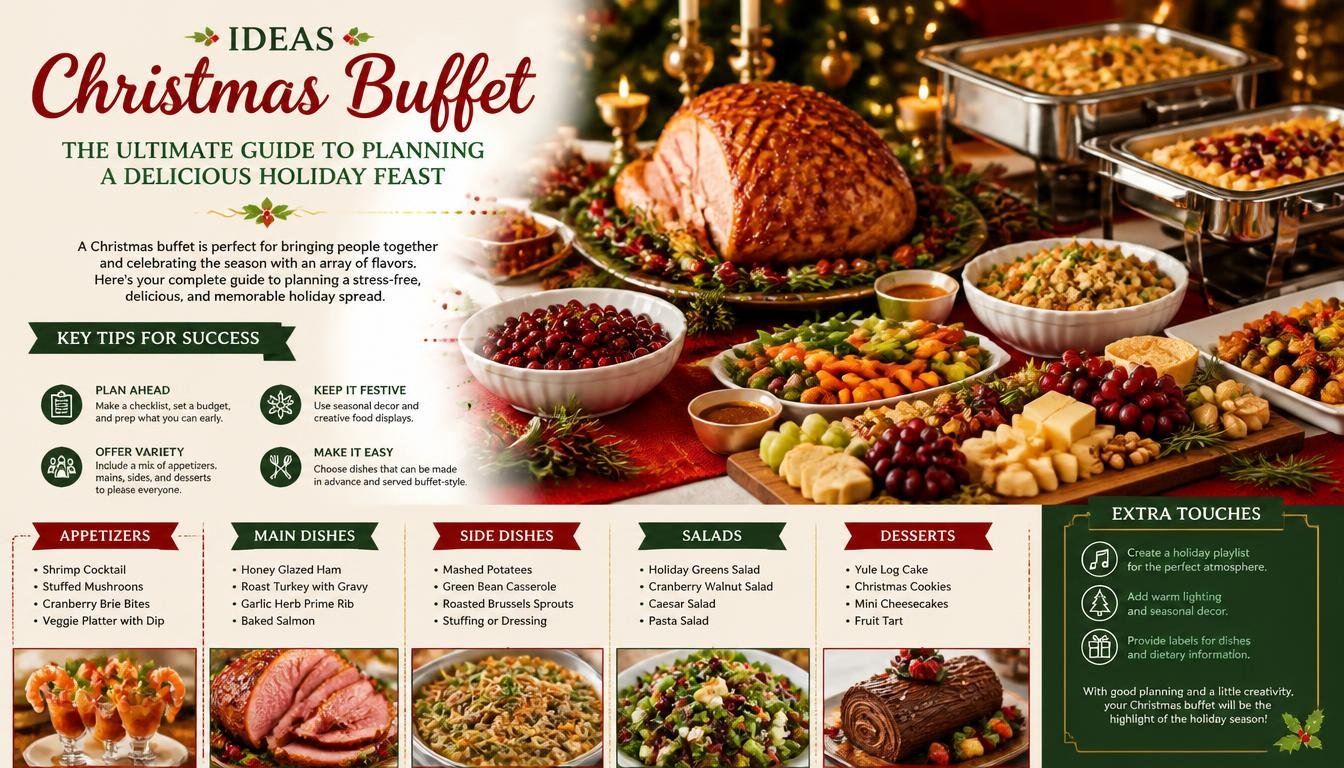
Ideas Christmas Buffet: The Ultimate Guide to Planning a Delicious Holiday Feast

Food
Traditional Bohemian Food: A Complete Guide to Authentic Czech Cuisine, History, and Famous Dishes

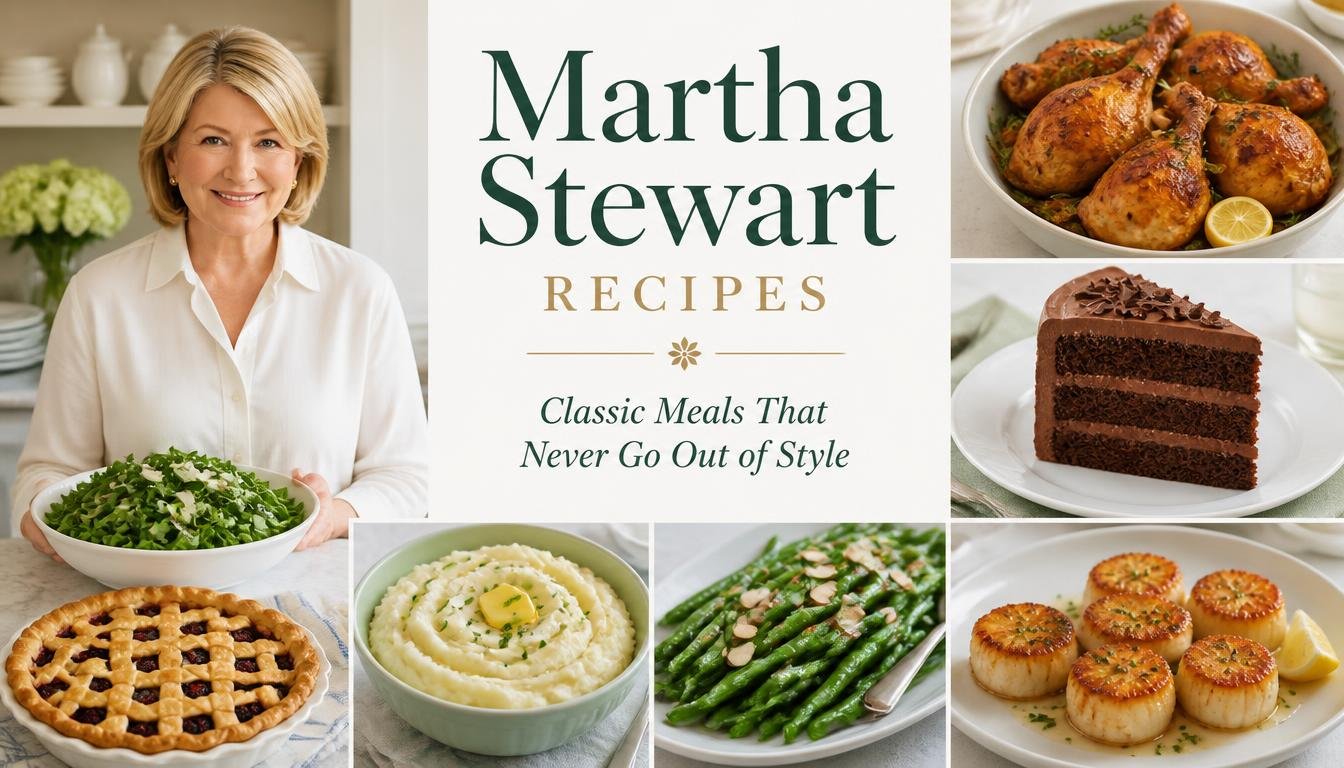
When it comes to trusted home cooking, few names are as recognizable as Martha Stewart. For decades, she has inspired millions of people with recipes that combine simple ingredients, dependable techniques, and beautiful presentation. Whether you are preparing a quick weekday dinner, baking desserts for family gatherings, hosting a holiday celebration, or simply experimenting with new flavors, Martha Stewart recipes provide reliable guidance that delivers delicious results every time. Her cooking philosophy focuses on quality ingredients, proper preparation, and practical techniques that anyone can learn.
One reason Martha Stewart recipes remain so popular is their versatility. Her collection includes comforting soups, fresh salads, hearty pasta dishes, roasted meats, elegant appetizers, homemade breads, seasonal desserts, and festive holiday meals. These recipes are carefully tested, making them accessible for beginners while still offering plenty of inspiration for experienced home cooks. In this comprehensive guide, you’ll discover some of the best Martha Stewart recipes, learn why they have become household favorites, and find helpful cooking tips that can improve your own kitchen skills.
Why Martha Stewart Recipes Are So Popular
Martha Stewart has built a reputation for creating recipes that are both practical and elegant. Instead of relying on complicated methods or hard-to-find ingredients, many of her recipes focus on fresh produce, quality proteins, herbs, spices, and straightforward cooking techniques. This balance makes her recipes approachable for everyday cooking while still producing impressive results for special occasions. Families appreciate that these meals are dependable, visually appealing, and easy to customize according to personal tastes or seasonal ingredients.
Another reason for her lasting popularity is consistency. Every recipe is carefully developed and tested, reducing the chances of failure in the kitchen. Home cooks can confidently prepare her dishes knowing the instructions have been refined for reliable success. This level of trust has made Martha Stewart one of the world’s most respected authorities on cooking, baking, and entertaining.
1. Classic Roast Chicken
Classic roast chicken is one of Martha Stewart’s signature recipes because it demonstrates how simple ingredients can create extraordinary flavor. A whole chicken seasoned with butter, garlic, lemon, fresh herbs, salt, and black pepper develops crispy golden skin while remaining juicy inside. Roasting vegetables such as carrots, onions, and potatoes alongside the chicken creates a complete one-pan dinner that is perfect for family meals or weekend gatherings. Leftovers can also be transformed into sandwiches, soups, casseroles, and salads.
2. Homemade Macaroni and Cheese
Few comfort foods are as satisfying as homemade macaroni and cheese. Martha Stewart’s version combines perfectly cooked pasta with a rich cheese sauce made from cheddar, Gruyère, Parmesan, butter, milk, and a touch of mustard. A crispy breadcrumb topping adds texture while baking creates a bubbling golden crust. This recipe is popular for holidays, potlucks, and weeknight dinners because it is filling, easy to prepare, and loved by both children and adults.
3. Chocolate Chip Cookies
Martha Stewart’s chocolate chip cookies have become a favorite among home bakers because they balance crispy edges with soft, chewy centers. Using quality butter, vanilla extract, brown sugar, granulated sugar, eggs, flour, baking soda, and premium chocolate chips results in bakery-style cookies with exceptional flavor. These cookies are ideal for holidays, bake sales, school lunches, or simply enjoying with a glass of milk.
4. Perfect Apple Pie
Apple pie remains one of Martha Stewart’s most celebrated desserts. A flaky homemade crust filled with fresh apples, cinnamon, nutmeg, sugar, and butter creates a comforting dessert that is perfect throughout the year. Whether served warm with vanilla ice cream or enjoyed on its own, this pie demonstrates why classic baking techniques continue to stand the test of time.
5. Creamy Mashed Potatoes
Creamy mashed potatoes are a staple side dish in Martha Stewart’s collection. Yukon Gold potatoes are cooked until tender before being mashed with butter, cream, salt, and pepper to create a silky texture. These potatoes pair beautifully with roast chicken, turkey, beef, pork, and grilled vegetables, making them suitable for both everyday dinners and holiday feasts.
6. Homemade Chicken Soup
Homemade chicken soup offers warmth, nourishment, and comfort. Martha Stewart’s version features slow-simmered chicken, carrots, celery, onions, garlic, herbs, and a flavorful broth that develops incredible depth over several hours. Adding noodles, rice, or dumplings makes the soup even heartier, while fresh parsley provides brightness before serving.
7. Lemon Bars
Lemon bars combine a buttery shortbread crust with a smooth, tangy lemon filling dusted generously with powdered sugar. The contrast between sweet and tart flavors makes this dessert especially refreshing during spring and summer, although it is equally enjoyable throughout the year.
8. Banana Bread
Banana bread is one of the easiest baking recipes for beginners. Martha Stewart’s recipe uses ripe bananas, butter, eggs, vanilla, flour, and cinnamon to create a moist loaf with rich banana flavor. Optional additions like walnuts, pecans, or chocolate chips allow for endless customization.
9. Caesar Salad
A well-made Caesar salad demonstrates that simple ingredients can create exceptional flavor. Crisp romaine lettuce, homemade croutons, Parmesan cheese, and creamy Caesar dressing provide a refreshing side dish that pairs with grilled chicken, seafood, pasta, or steak.
10. Lasagna
Lasagna remains one of the most comforting meals in Martha Stewart’s recipe collection. Layers of pasta, seasoned meat sauce, creamy ricotta, mozzarella, Parmesan, and herbs bake together into a rich, satisfying casserole suitable for family dinners and entertaining guests.
11. Blueberry Muffins
Blueberry muffins are perfect for breakfast or afternoon snacks. Fresh blueberries, tender cake-like batter, and a lightly crisp top create bakery-quality muffins that freeze well and remain moist for several days.
12. Beef Stew
Slow-cooked beef stew combines tender chunks of beef with potatoes, carrots, onions, celery, herbs, and rich broth. Long cooking times allow flavors to deepen while producing meat that practically falls apart with every bite.
13. Pumpkin Pie
Pumpkin pie is one of Martha Stewart’s holiday favorites. A silky pumpkin filling flavored with cinnamon, cloves, ginger, and nutmeg is baked inside a flaky crust, creating an iconic Thanksgiving dessert enjoyed by generations.
14. Brownies
Rich chocolate brownies feature a fudgy center with slightly crisp edges. Using quality cocoa powder and dark chocolate creates deep chocolate flavor, while careful baking prevents them from becoming dry.
15. Homemade Dinner Rolls
Soft dinner rolls complement nearly every meal. Martha Stewart’s yeast-based rolls develop a light texture with buttery flavor and golden tops, making them perfect for family dinners and holiday celebrations.
Tips for Cooking Martha Stewart Recipes Successfully
Successful cooking begins with reading each recipe completely before starting. Gather every ingredient in advance, measure carefully, and use fresh produce whenever possible. Investing in quality cookware, sharp knives, accurate measuring tools, and reliable baking equipment helps achieve consistent results. Taking time to understand cooking techniques such as roasting, sautéing, baking, and braising also improves overall confidence in the kitchen. Finally, remember that practice leads to better results, so don’t hesitate to make your favorite recipes multiple times while adjusting seasonings to suit your personal preferences.
Healthier Ways to Enjoy Martha Stewart Recipes
Many classic recipes can be adapted to suit healthier lifestyles without sacrificing flavor. Whole-grain pasta can replace traditional pasta, Greek yogurt can substitute for sour cream, olive oil can replace some butter, and additional vegetables can increase nutritional value. Reducing added sugar in desserts or choosing lean proteins also allows families to enjoy these recipes while supporting balanced eating habits.
Conclusion
Martha Stewart recipes continue to inspire home cooks because they combine timeless techniques, dependable instructions, and delicious flavors that work for every occasion. From comforting soups and roasted dinners to decadent desserts and fresh salads, her recipes provide something for every season and every skill level. Whether you are preparing your first homemade meal or expanding your collection of family favorites, these recipes offer reliable guidance that transforms ordinary ingredients into memorable dishes. By using fresh ingredients, following proven techniques, and practicing regularly, you can enjoy restaurant-quality meals right from your own kitchen.
Frequently Asked Questions (FAQ)
What are the most popular Martha Stewart recipes?
Some of the most popular Martha Stewart recipes include roast chicken, chocolate chip cookies, macaroni and cheese, apple pie, mashed potatoes, banana bread, lasagna, beef stew, pumpkin pie, brownies, and homemade dinner rolls.
Are Martha Stewart recipes beginner-friendly?
Yes. Many Martha Stewart recipes are written with clear, step-by-step instructions, making them suitable for beginners while still offering excellent results for experienced cooks.
What ingredients are commonly used in Martha Stewart recipes?
Fresh vegetables, herbs, quality butter, olive oil, garlic, onions, flour, eggs, dairy products, seasonal fruits, fresh meats, and pantry staples frequently appear throughout her recipes.
Can Martha Stewart recipes be made healthier?
Absolutely. You can substitute whole grains, reduce added sugar, use lean meats, increase vegetables, and replace some butter with healthier fats while maintaining excellent flavor.
Why are Martha Stewart recipes trusted by home cooks?
Her recipes are professionally developed, carefully tested, and consistently produce dependable results. Their combination of simple techniques, quality ingredients, and detailed instructions has earned the trust of home cooks for decades.
Which Martha Stewart recipe should beginners try first?
Banana bread, chocolate chip cookies, mashed potatoes, roast chicken, and homemade chicken soup are excellent starting points because they use familiar ingredients and straightforward cooking methods while teaching valuable kitchen skills.
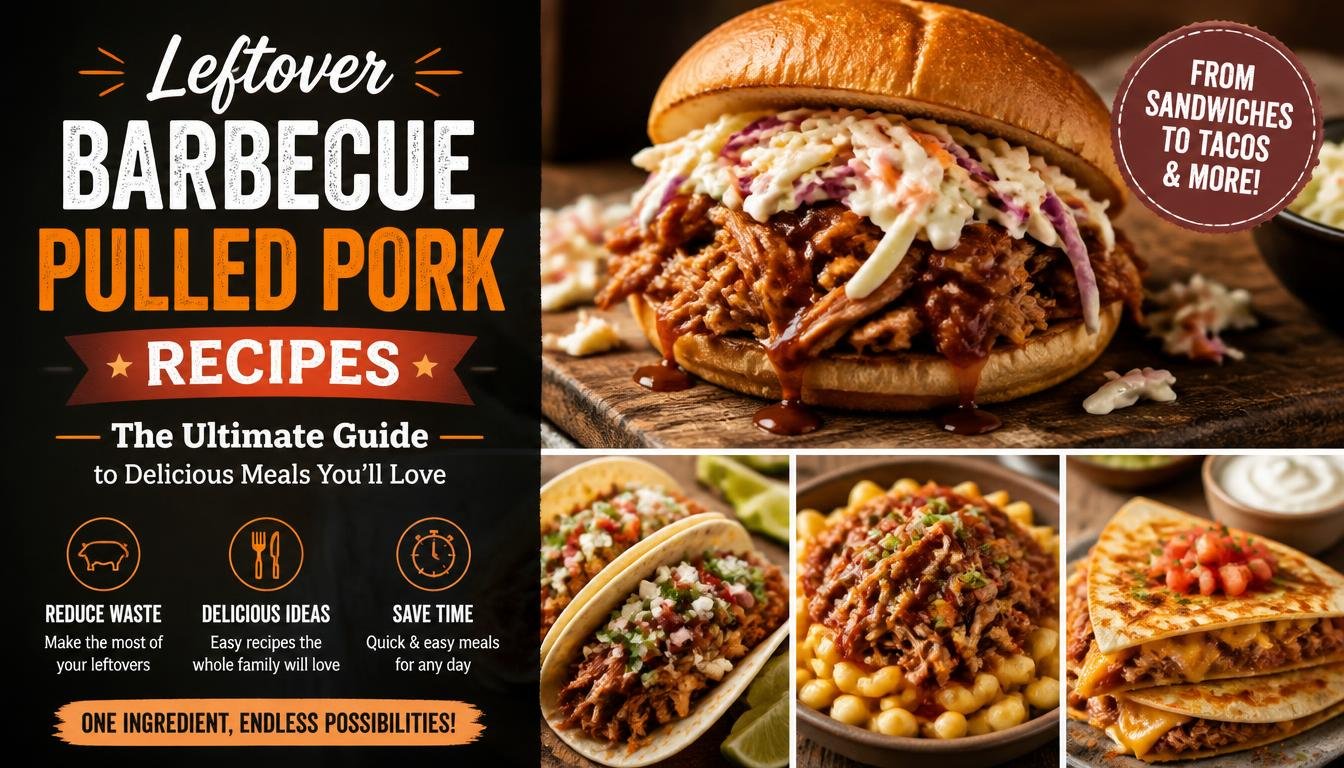
If you’ve ever hosted a backyard barbecue or smoked a large pork shoulder, you know that leftovers are almost guaranteed. Fortunately, leftover barbecue pulled pork recipes offer endless opportunities to create exciting meals without spending hours in the kitchen. Instead of reheating the same sandwich day after day, you can transform tender, smoky pork into comforting casseroles, crispy tacos, hearty soups, satisfying pasta dishes, flavorful pizzas, and even breakfast favorites. The rich barbecue flavor pairs beautifully with cheese, vegetables, rice, potatoes, tortillas, and fresh herbs, making leftover pulled pork one of the most versatile proteins you can keep in your refrigerator.
Learning how to use leftover barbecue pulled pork efficiently not only reduces food waste but also saves time and money while helping you prepare restaurant-quality meals at home. Whether you’re feeding a large family, preparing quick lunches, or looking for creative dinner inspiration, these recipes will help you enjoy every last bite of your delicious barbecue.
Why Leftover Barbecue Pulled Pork Is Perfect for Meal Planning
Pulled pork is one of the easiest leftover meats to repurpose because its tender texture absorbs new flavors exceptionally well while maintaining its smoky character. Unlike many meats that become dry after reheating, properly stored pulled pork remains juicy when warmed with a little barbecue sauce or broth. This versatility allows home cooks to prepare multiple unique meals from one barbecue session, making it ideal for weekly meal prep.
Another advantage is its compatibility with countless cuisines. Mexican-inspired tacos, Italian pasta, Southern casseroles, Asian rice bowls, loaded baked potatoes, and classic American sandwiches all benefit from the rich flavor of pulled pork. With just a few pantry ingredients, leftovers become completely new meals that taste freshly prepared.
How to Store Leftover Pulled Pork Properly
Proper storage preserves both flavor and food safety. Allow the pulled pork to cool before transferring it to airtight containers. Refrigerate within two hours of cooking and consume within three to four days. For longer storage, freeze individual meal-sized portions for up to three months. Label containers with the freezing date so you can rotate your freezer stock efficiently.
When reheating, add a splash of apple juice, chicken broth, or barbecue sauce to maintain moisture. Heat gently rather than overcooking, as excessive heat can dry the meat.
Best Leftover Barbecue Pulled Pork Recipes
1. Classic BBQ Pulled Pork Sandwiches
A toasted brioche bun piled high with warm pulled pork, creamy coleslaw, pickles, and extra barbecue sauce creates a satisfying meal that never goes out of style. Pair the sandwich with baked beans, potato salad, or corn on the cob for a complete barbecue-inspired dinner.
2. Pulled Pork Tacos
Fill warm corn or flour tortillas with barbecue pulled pork, shredded lettuce, avocado slices, diced tomatoes, red onions, cilantro, cheese, and a squeeze of fresh lime. A drizzle of chipotle crema adds a smoky kick that complements the pork perfectly.
3. BBQ Pulled Pork Nachos
Spread tortilla chips across a baking sheet and top them generously with pulled pork, cheddar cheese, Monterey Jack, black beans, jalapeños, diced onions, and barbecue sauce. Bake until the cheese melts before finishing with sour cream, salsa, and fresh cilantro.
4. Pulled Pork Mac and Cheese
Creamy homemade macaroni and cheese becomes even more indulgent when mixed with smoky barbecue pork. The combination of sharp cheddar, mozzarella, Parmesan, and barbecue sauce creates a rich comfort food that is perfect for family dinners or potlucks.
5. BBQ Pulled Pork Pizza
Replace traditional pizza toppings with barbecue sauce, mozzarella cheese, pulled pork, caramelized onions, bacon, and red peppers. Bake until golden before garnishing with fresh cilantro for a delicious twist on pizza night.
6. Loaded Baked Potatoes
Bake large russet potatoes until fluffy, then fill them with pulled pork, cheddar cheese, sour cream, green onions, crispy bacon, and extra barbecue sauce. This hearty meal is filling enough to serve on its own.
7. Pulled Pork Grilled Cheese
Layer pulled pork with cheddar, mozzarella, and pepper jack cheese between slices of buttered sourdough bread. Grill until golden brown and crispy for an elevated grilled cheese sandwich bursting with smoky flavor.
8. BBQ Pulled Pork Quesadillas
Stuff flour tortillas with pulled pork, shredded cheese, onions, peppers, and barbecue sauce before grilling until crispy. Slice into wedges and serve with salsa, guacamole, and sour cream.
9. Pulled Pork Fried Rice
Transform leftover rice into a complete meal by stir-frying it with pulled pork, scrambled eggs, carrots, peas, onions, garlic, soy sauce, sesame oil, and green onions. The smoky pork adds incredible depth to this quick weeknight dinner.
10. BBQ Pulled Pork Pasta
Mix cooked pasta with a creamy cheese sauce, pulled pork, barbecue sauce, sautéed onions, and spinach. Bake with mozzarella until bubbly for a comforting casserole that feeds a crowd.
11. Pulled Pork Chili
Add shredded pork to your favorite chili recipe along with beans, tomatoes, onions, peppers, and spices. The smoked meat gives the chili an extra layer of rich flavor that develops even more after simmering.
12. Breakfast Hash
Cook diced potatoes until crispy before adding onions, peppers, and leftover pulled pork. Top each serving with fried eggs for a protein-packed breakfast or brunch.
13. BBQ Pulled Pork Stuffed Peppers
Fill halved bell peppers with pulled pork, cooked rice, cheese, corn, and black beans before baking until tender. This colorful dish combines healthy vegetables with hearty barbecue flavor.
14. Pulled Pork Sliders
Mini slider buns filled with barbecue pork, pickles, and coleslaw make excellent party food. They’re easy to prepare in large batches and perfect for game day gatherings.
15. Pulled Pork Soup
Simmer chicken broth with pulled pork, potatoes, carrots, celery, onions, corn, and herbs until the vegetables become tender. Finish with fresh parsley for a comforting soup.
Tips for Making the Best Leftover Pulled Pork Recipes
The best results come from balancing the smoky richness of the pork with fresh vegetables, tangy sauces, and creamy cheeses. Avoid overheating the meat, as gentle reheating preserves moisture. Fresh herbs such as cilantro, parsley, and green onions brighten rich barbecue flavors, while acidic ingredients like pickles, vinegar-based slaw, or lime juice provide balance. Mixing different textures, such as crispy tortillas, crunchy vegetables, and creamy sauces, also makes leftover meals more enjoyable and visually appealing.
Common Mistakes to Avoid
Many people overcook leftover pork during reheating, causing it to become dry. Others store leftovers improperly, reducing both quality and safety. Adding moisture during reheating, using airtight storage containers, and incorporating fresh ingredients into each recipe help maintain excellent flavor. Additionally, avoid adding too much barbecue sauce, as it can overpower the natural smoky taste of the meat.
Conclusion
Leftover barbecue pulled pork recipes prove that leftovers never have to be boring. With just a little creativity, yesterday’s barbecue can become today’s tacos, pizza, pasta, casseroles, soups, sandwiches, breakfast hash, and many other satisfying meals. Proper storage, careful reheating, and pairing pulled pork with complementary ingredients allow you to maximize every bite while reducing food waste and saving valuable cooking time. Whether you’re preparing meals for your family, entertaining guests, or planning easy weeknight dinners, leftover pulled pork remains one of the most versatile ingredients in any kitchen. Experiment with different flavors, sauces, vegetables, and cooking methods, and you’ll discover countless new ways to enjoy your favorite barbecue long after the grill has cooled.
Frequently Asked Questions (FAQ)
Can you freeze leftover barbecue pulled pork?
Yes. Store it in airtight freezer-safe containers or freezer bags for up to three months. Thaw overnight in the refrigerator before reheating.
How long does leftover pulled pork last in the refrigerator?
Properly stored pulled pork remains safe for three to four days in the refrigerator.
What’s the best way to reheat pulled pork?
Reheat slowly in a skillet or oven with a small amount of chicken broth, apple juice, or barbecue sauce to maintain moisture.
Can leftover pulled pork be used for breakfast?
Absolutely. It works wonderfully in breakfast burritos, breakfast hash, omelets, breakfast sandwiches, and scrambled eggs.
What side dishes go well with leftover pulled pork?
Popular side dishes include coleslaw, baked beans, potato salad, roasted vegetables, corn on the cob, macaroni salad, rice, and fresh green salads.
Can I use leftover pulled pork without barbecue sauce?
Yes. Pulled pork is delicious in tacos, fried rice, soups, pasta, salads, and grain bowls without additional barbecue sauce.
Is pulled pork good for meal prep?
Yes. Pulled pork is one of the best meal-prep proteins because it stores well, freezes easily, reheats beautifully, and can be transformed into many different meals throughout the week.
Red Angus Cow: Breed Characteristics, Benefits, Care, and Beef Production
Flooding in Auburn WA: Causes, Risks, Safety Tips, and How to Prepare
2025 Mazda CX-90 PHEV: Specs, Range, Price, Features and Complete Review

POCSO Case: Complete Guide to the Protection of Children from Sexual Offences Act, Procedure, Punishment, Rights, and Legal Process

Persona 5 Royal Fusion Calculator: The Ultimate Guide to Perfect Persona Fusion

TPE: 2317 – Complete Guide, Features, Applications, Benefits, and Specifications
 Politics3 months ago
POCSO Case: Complete Guide to the Protection of Children from Sexual Offences Act, Procedure, Punishment, Rights, and Legal Process
- Uncategorized3 months ago
Persona 5 Royal Fusion Calculator: The Ultimate Guide to Perfect Persona Fusion
- Uncategorized3 months ago
TPE: 2317 – Complete Guide, Features, Applications, Benefits, and Specifications
- Business3 months ago
Mietmakler: The Complete Guide to Rental Brokers, Benefits, Costs, and Finding the Perfect Rental Property
- Celebrity3 months ago
Jimmy Harrell: Biography, Career, Achievements, Legacy, and Interesting Facts
- News3 months ago
AC Breaking News: Latest Headlines, Breaking Stories, Live Updates, and Trending News
- Lifestyle3 months ago
Marshall Tools Bricky: The Complete Guide to Professional Bricklaying Tools
- Entertainment3 months ago
Star Wars Movie FX Maker Codes: Complete Guide to Unlock Effects, Characters, and Hidden Features